









Start with the room, not the brochure
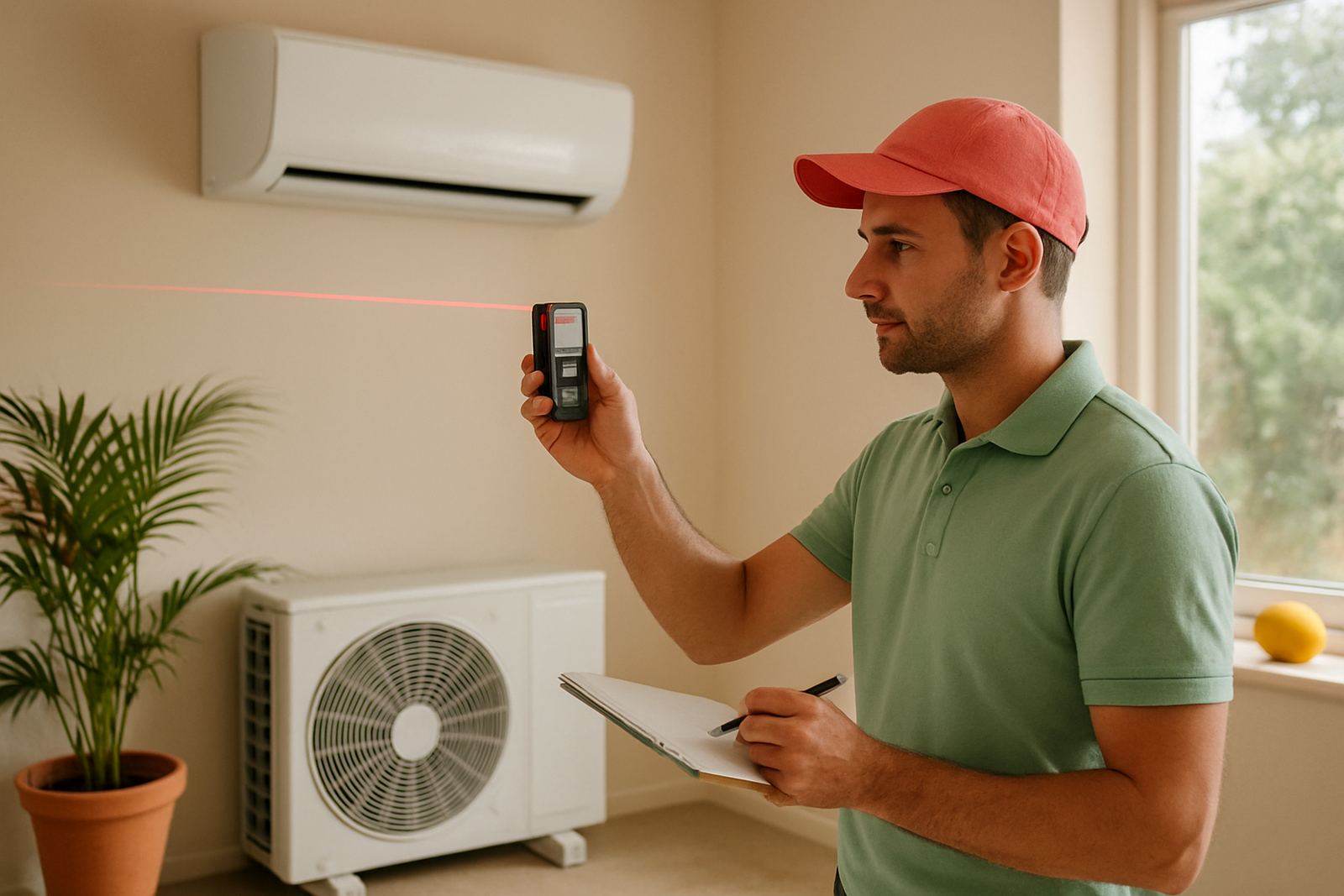
The right unit depends on the room size, ceiling height, sun exposure and how many people use the space each day. A north-facing room in Claremont needs different cooling from a shaded flat in Milnerton, and a busy office in the CBD will carry more heat than a quiet bedroom at home. If you size the unit too small it runs flat out and still leaves the room warm, while an oversized unit can short cycle and waste power.
Before you buy, note the square metres, window size, insulation, and whether the room sits above a ceiling or under a roof sheet. In summer, coastal humidity also affects how quickly a room feels comfortable. If you are unsure, a proper site check usually saves money later.
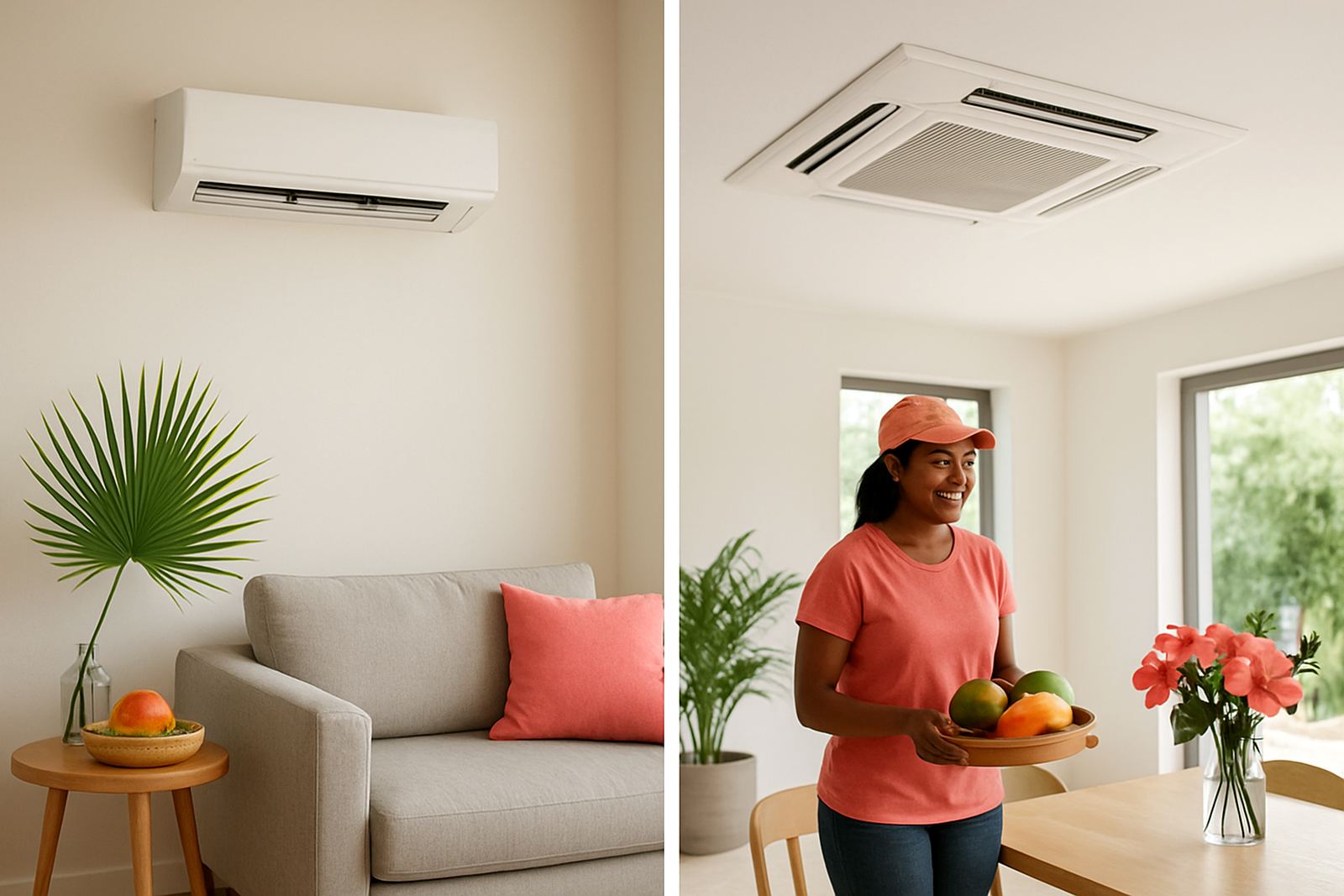
What to look for in a home aircon
For a house or flat, comfort, noise level and running cost matter just as much as cooling capacity. A bedroom unit should be quiet enough for night use, while a lounge or open-plan living area may need better air throw and faster pull-down time. Families in the Cape Peninsula often ask about power use during load-shedding, so it helps to think about inverter operation, restart behaviour and how the unit performs when the mains come back on.
- Check the cooling capacity against the room size and heat load.
- Ask about noise levels if the unit will run at night.
- Confirm the filter access, because easy cleaning matters.
- Look at drain routing for neat installation and less moisture risk.
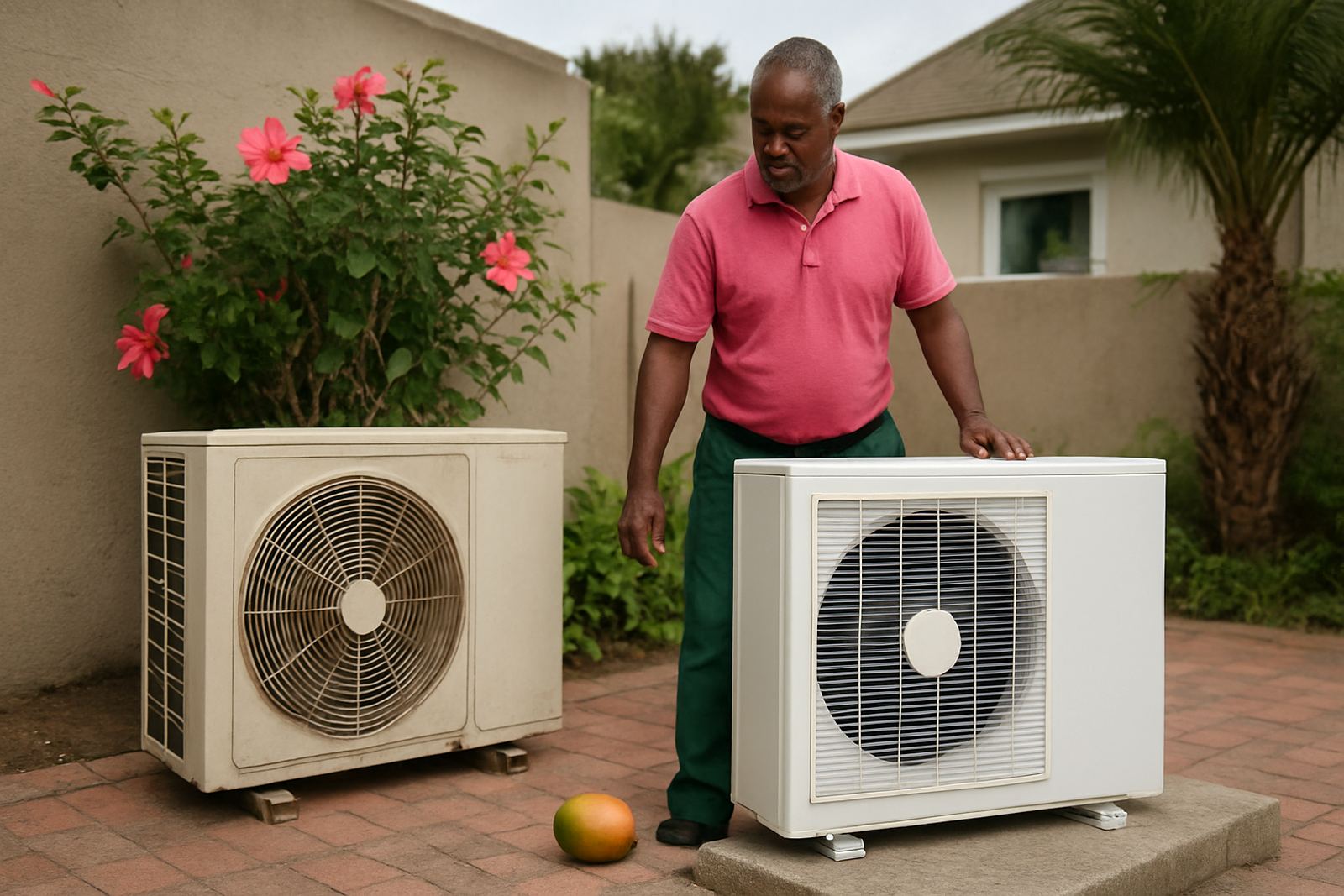
- Make sure the outdoor unit has enough fresh air and service space.
Planning for offices and shared work areas
Office cooling needs change with people, computers and door traffic. A small boardroom may need quick recovery after meetings, while an open-plan area needs even distribution so one side does not freeze and the other side stays warm. In older buildings around Bellville or the CBD, electrical supply and mounting points should be checked before any order is placed.
It is also worth planning for maintenance access. Filters, condensate drains and outdoor units should be reachable without disrupting staff. If the system serves tenants or multiple rooms, clear zoning helps with control and the monthly bill.
- Match the system to occupancy, not just floor size.
- Allow for glass, printers, servers and other heat sources.
- Check where condensate water will drain.
- Keep service access open for future repairs and gas checks.
When a commercial cold room or freezer needs attention
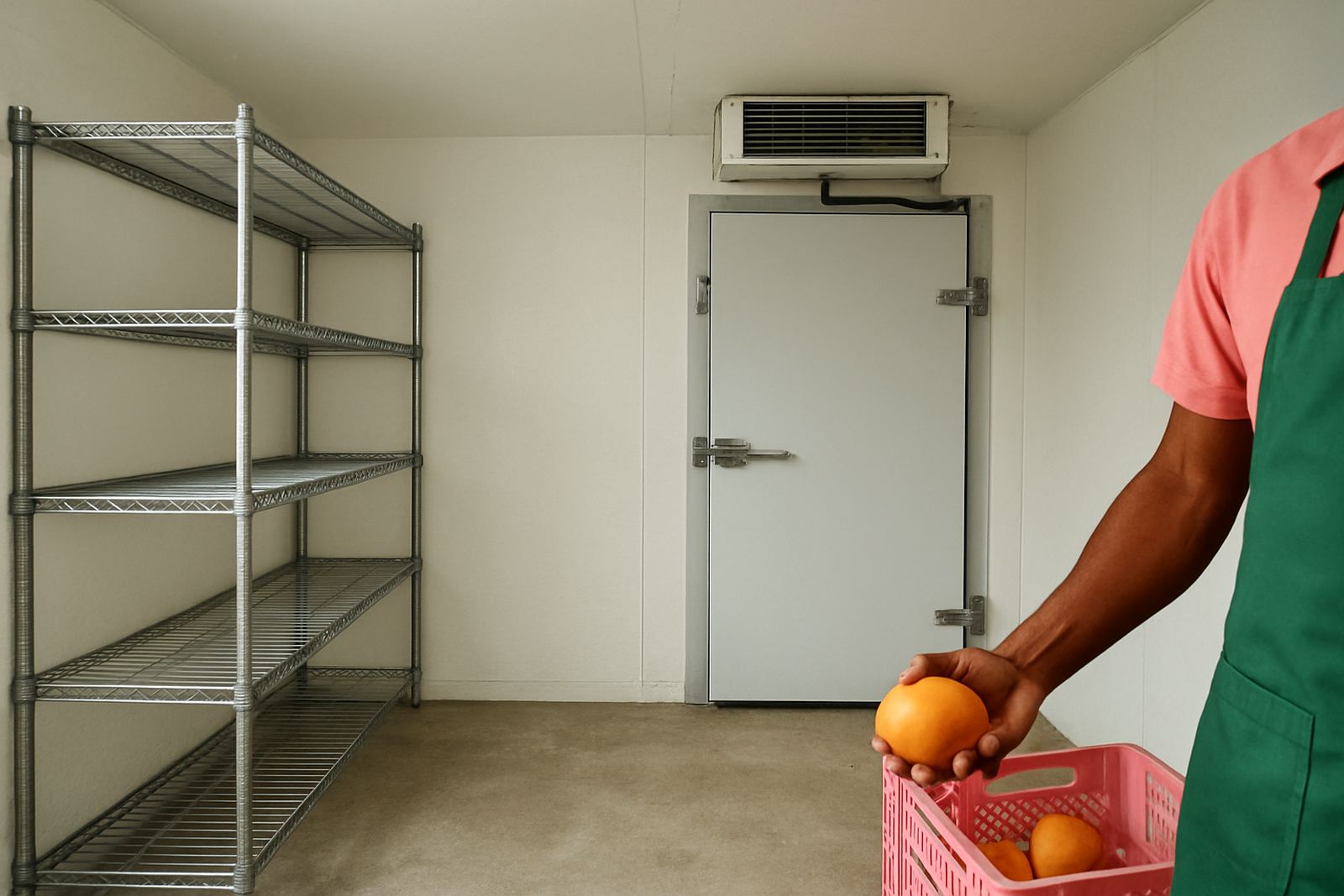
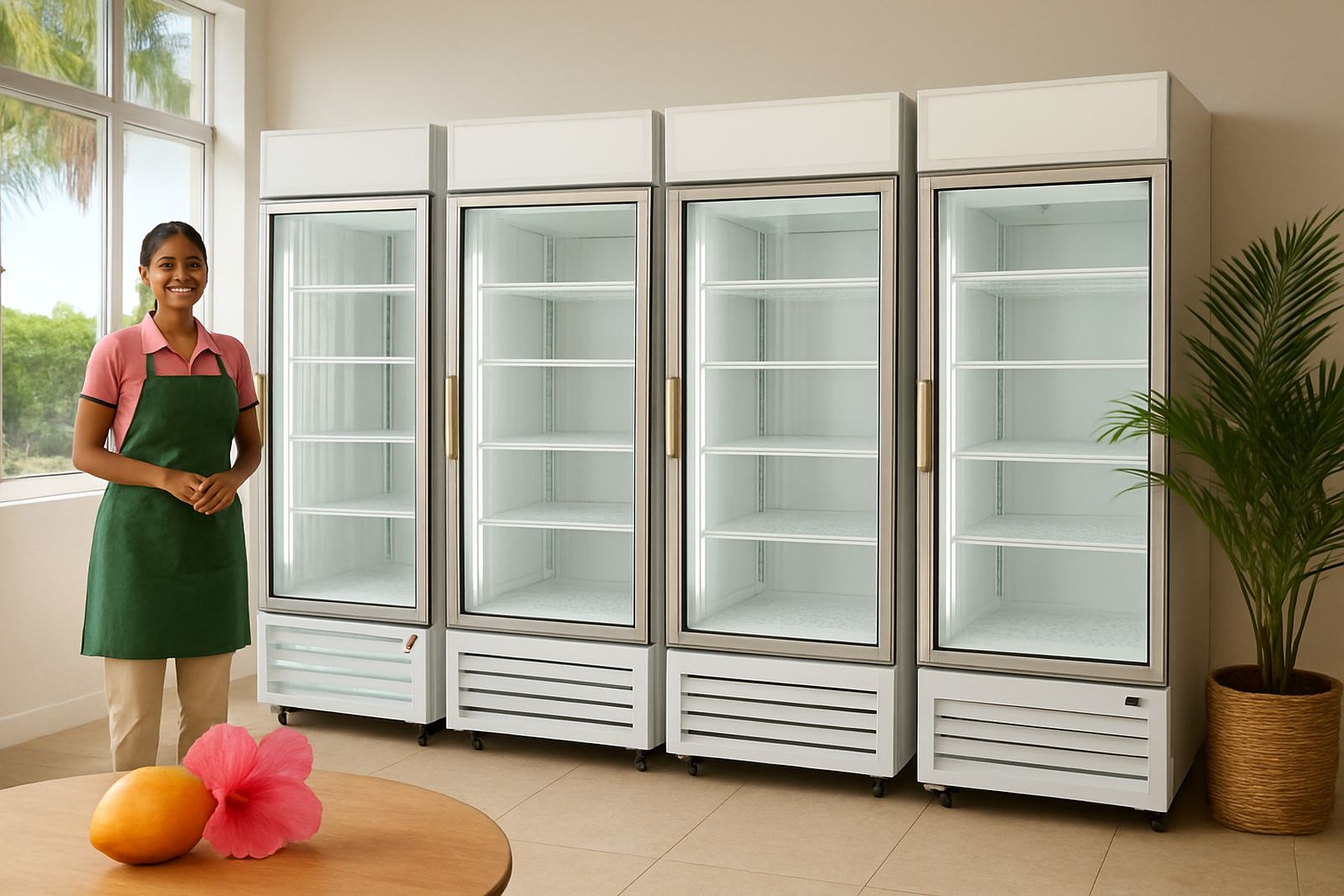
Small shops, cafés and food operators often need more than basic comfort cooling. Cold rooms, freezer rooms and display equipment must hold temperature consistently, especially during hot spells and power interruptions. If doors are opened often, seals wear, or the compressor starts cycling too frequently, stock quality can drop fast.
For these systems, the buying guide is really a planning guide. Look at insulation, door usage, thermometer placement, backup power arrangements and whether the site can support future expansion. Coastal humidity and salt air also make regular checks important for outdoor equipment.
Signs you need repair, service or a gas refill
A unit that is cooling poorly does not always need replacement. Sometimes the issue is simple, like dirty filters, blocked drains or a thermostat fault. Other times there may be a refrigerant leak, worn compressor, or airflow problem in the ducting. If the system starts icing, smells damp, leaks water indoors, or blows air that is not cold enough, it is time to book a check.
For Cape Town users, a yearly service helps keep the unit ready before the first hot week arrives. That service should cover cleaning, pressure checks, electrical inspection and leak detection where needed. Catching a small fault early usually costs less than waiting for a breakdown on a busy Friday afternoon.
Use the guides to compare options before you book
These guides are meant to help you ask the right questions before you commit to a unit or repair. If you understand the room conditions, the usage pattern and the maintenance needs, it becomes easier to compare quotes fairly. That applies whether you are fitting a bedroom, an office, a shop, or a small cold storage area.
If you are still deciding, write down the room measurements, the suburb, the number of people using the space and any known electrical limits. That gives a much clearer starting point for advice and keeps the conversation practical.
- Measure the area in square metres and note ceiling height.
- List sun exposure, glass area and appliance heat.
- Record any load-shedding backup or generator use.
- Note service history if the unit is already in place.