1. Check the room before you book
Start with the room where the unit will go. A bedroom, lounge, study, or small flat each needs a slightly different approach, and the best spot is not always above the bed or directly over a couch. Check the wall for cracks, moisture marks, damp plaster, or old cable holes. In Cape Town, coastal air and winter rain can expose weak plaster fast, so it is worth looking carefully before installation.
Measure the room in metres, not by eye. A small bedroom in Claremont is not the same as an open-plan lounge in Milnerton, and the unit size has to match the space. If the room gets strong afternoon sun, has large windows, or faces the west side, say so when you book. That helps the installer advise on placement and capacity.
2. Confirm power, isolation, and safe cable access
Most residential installs need a nearby power point or a proper dedicated supply, depending on the unit and the existing electrical setup. Before the visit, check if your distribution board has spare capacity and whether the electrician may need to make adjustments. If you already know the property trips during load-shedding changeovers or when the kettle and geyser run together, mention it early.
- Locate the main distribution board and make sure it is easy to reach.
- Check whether there is a safe route for cabling from inside to outside.
- Clear any furniture blocking the wall where the indoor unit may go.
- Keep pets and children away from the work area on install day.
- If the house is in an older block, confirm whether body corporate or building management needs notice.
If the installer has to cut through thick walls, ceilings, or built-in cupboards, the job can take longer. A simple check now saves time later and helps the team arrive with the right fittings.
3. Make space for the outdoor unit
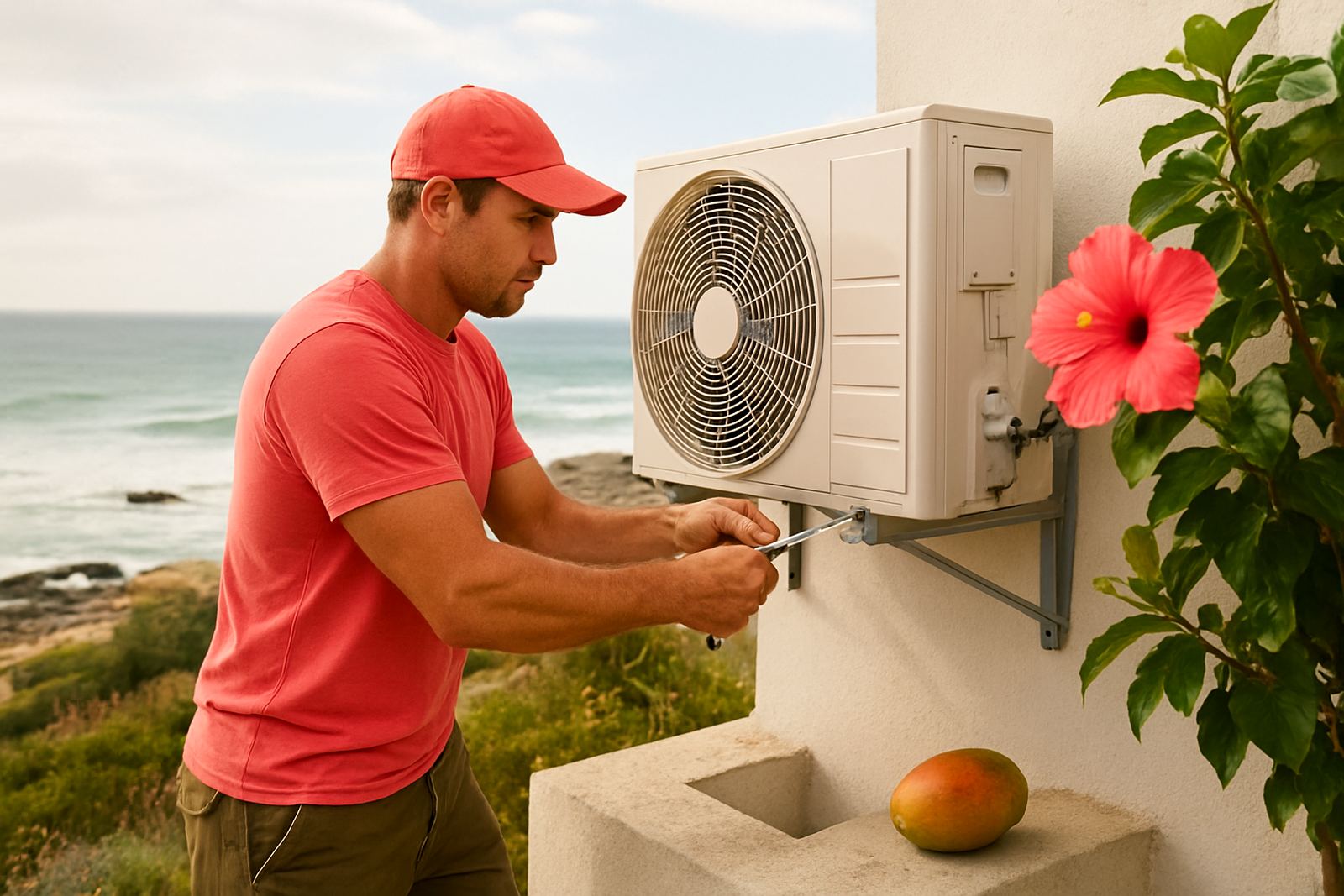
The outdoor unit needs fresh air and a firm mounting position. It should not sit where washing lines, plants, bins, or security gates block airflow. In coastal suburbs like Fish Hoek or Somerset West, the outdoor section also needs to be placed where salty air and heavy spray will not cause unnecessary wear. Good airflow helps the system work properly and can reduce strain during hot spells.
Ask yourself these practical questions before booking: Is there a stable wall, slab, or bracket position available? Will the unit be easy to service later? Can the technician reach it without dangerous climbing? If the outdoor unit has to go on a roof, high wall, or narrow courtyard, mention it clearly. Access matters as much as the location itself.
- Clear at least the immediate area around the outside wall.
- Trim back bushes or branches that touch the proposed spot.
- Move bins, braai stands, and garden tools away from the work zone.
- Check for signs of loose bricks, old paint, or weak mounting points.
4. Plan the drain route and finish inside the home
Aircons remove moisture from the air, so the condensate drain has to run somewhere safe. A poor drain route can lead to dripping on walls, puddles on patios, or stains near carpets and curtains. Before the installation, ask where the drain will exit and whether it will be visible inside the room. If you are in a townhouse or flat, there may be rules about where water may discharge.
Think about the final look as well as the function. Will the pipe run along a neat corner? Do you want it hidden in trunking? Is there a ceiling or bulkhead that can take the line without making the room untidy? A clean route matters in a home, and it is easier to plan before drilling starts than after the first hole is made. If the unit is going into a neat painted room, tell the installer early so the finish can be handled carefully.
5. Prepare for the install day itself
On the day, the team will work faster if the home is ready. Make sure someone over 18 is present to show access points, answer questions, and sign off on the placement. If the property has a shared driveway, steep steps, or limited parking in the Cape Town CBD, tell the office in advance so the team can plan arrival properly. A quick briefing at the gate can save half an hour.
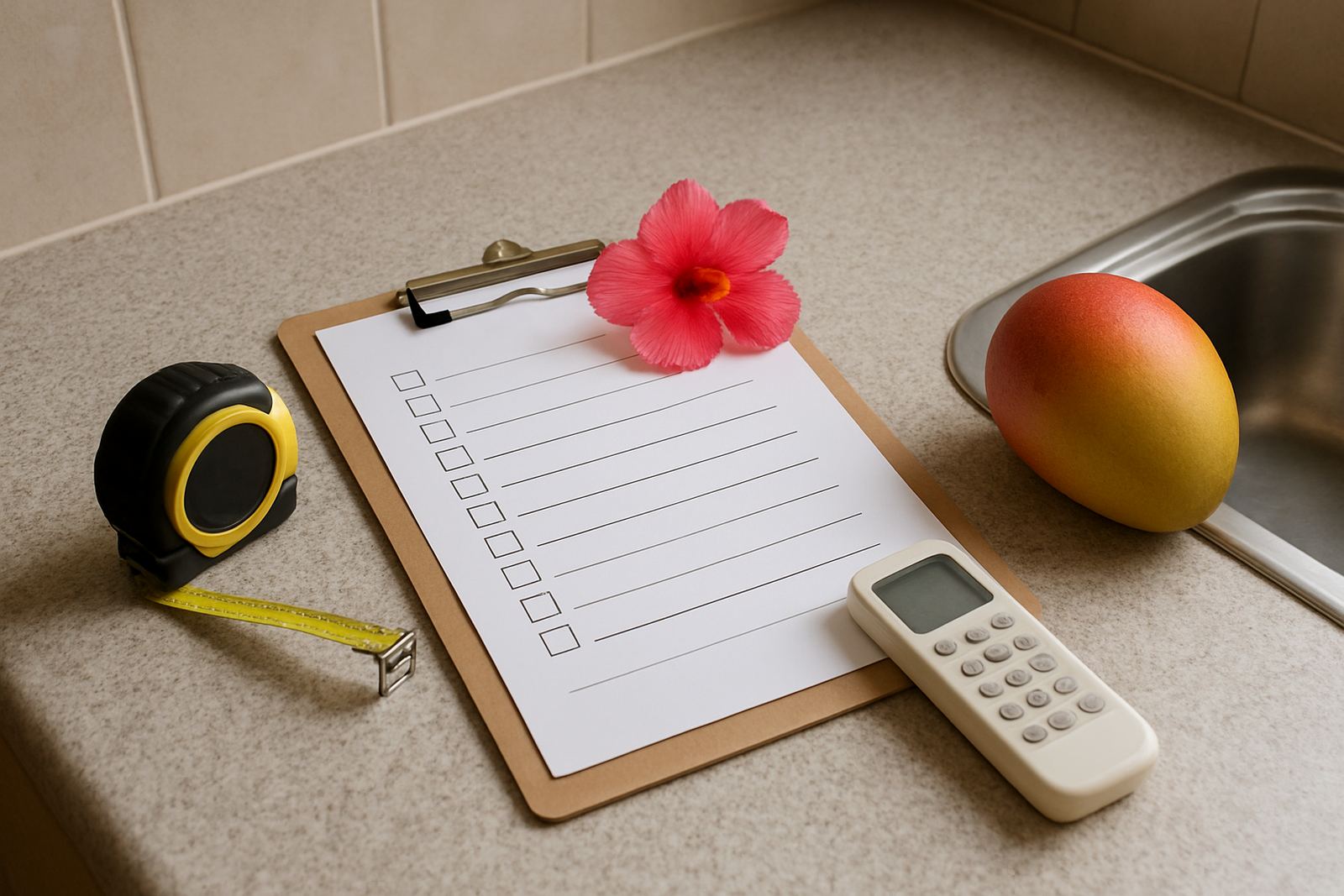
Use this short pre-install checklist:
- Unlock gates, side passages, and the room where the unit will be fitted.
- Move fragile items, mirrors, and wall art from the work area.
- Cover or remove electronics, curtains, and loose rugs.
- Keep the family schedule clear for a few hours in case the job runs longer.
- Have your booking details and contact number ready.
If there are tenants, a caretaker, or security staff involved, let them know the date and expected arrival window. Good access avoids confusion and keeps the job moving.
6. Ask the right questions before the quote is final
A proper quote should explain what is included, what is not included, and whether any extras may apply. For example, longer pipe runs, high wall mounting, power upgrades, or difficult roof access can change the price. It is better to ask before the job starts than to discover a surprise once the tools are out.
You should also ask about aftercare. Who do you call if the unit shows a fault after installation? How soon should the filters be cleaned? What signs point to a gas leak or blocked drain? These are the details that help a new unit stay reliable in Cape Town weather, especially when the summer heat arrives and the first real use begins. Keep the booking email and job notes in one place for later reference.
If you are unsure whether your room or power supply is suitable, send clear photos of the inside wall, outside wall, and the proposed route before the visit. That gives the team a proper starting point and often avoids a second call out.