Start with the stock, not the box size
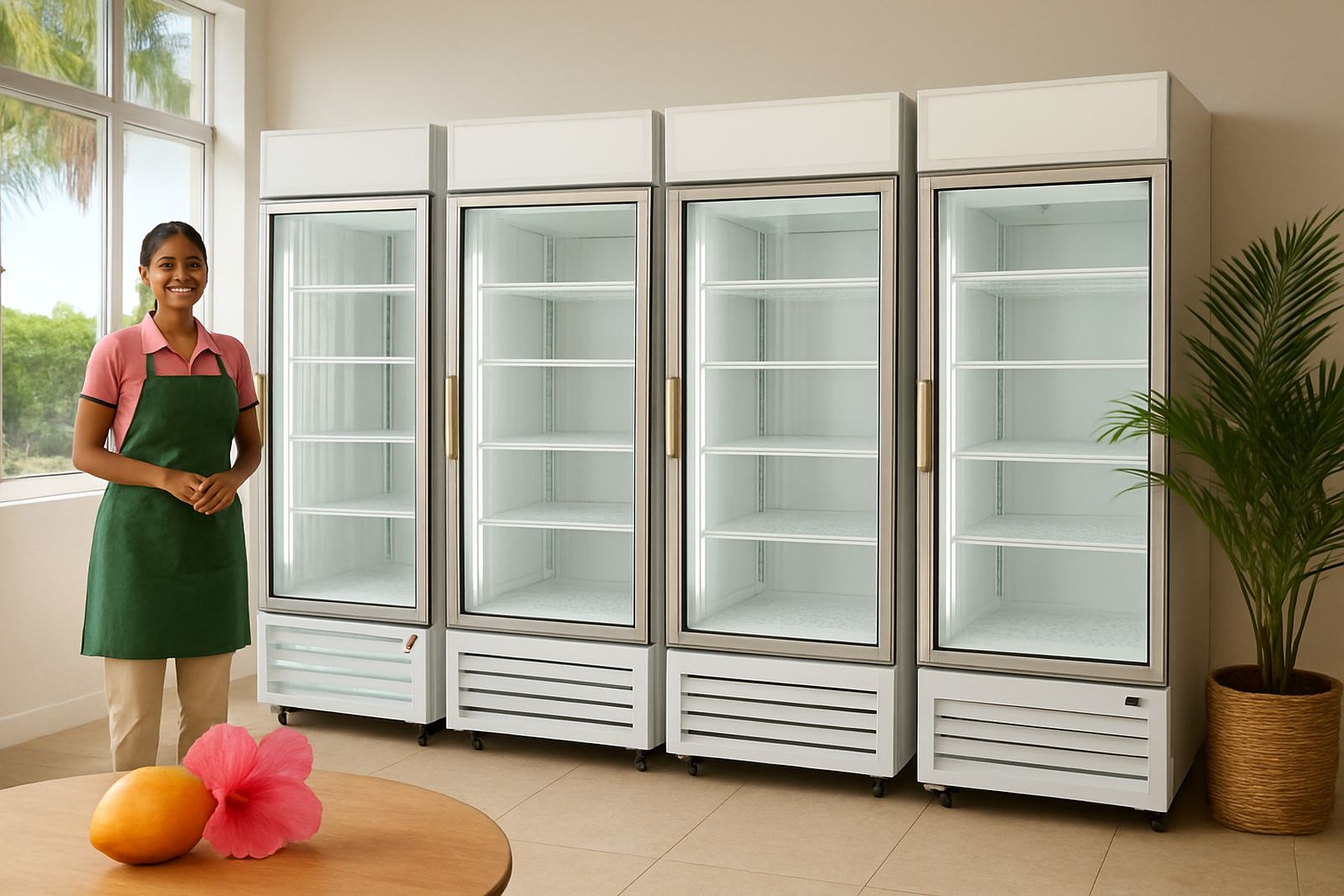
The first question is what you are storing. Fresh produce, dairy, meat, flowers and frozen stock all need different temperatures, airflow and door opening habits. A room that suits boxed vegetables may not suit meat cuts in hanging rails, and a freezer room is a different conversation again. If your stock is sensitive to temperature swings, choose a room with better insulation and a faster recovery time after the door opens.
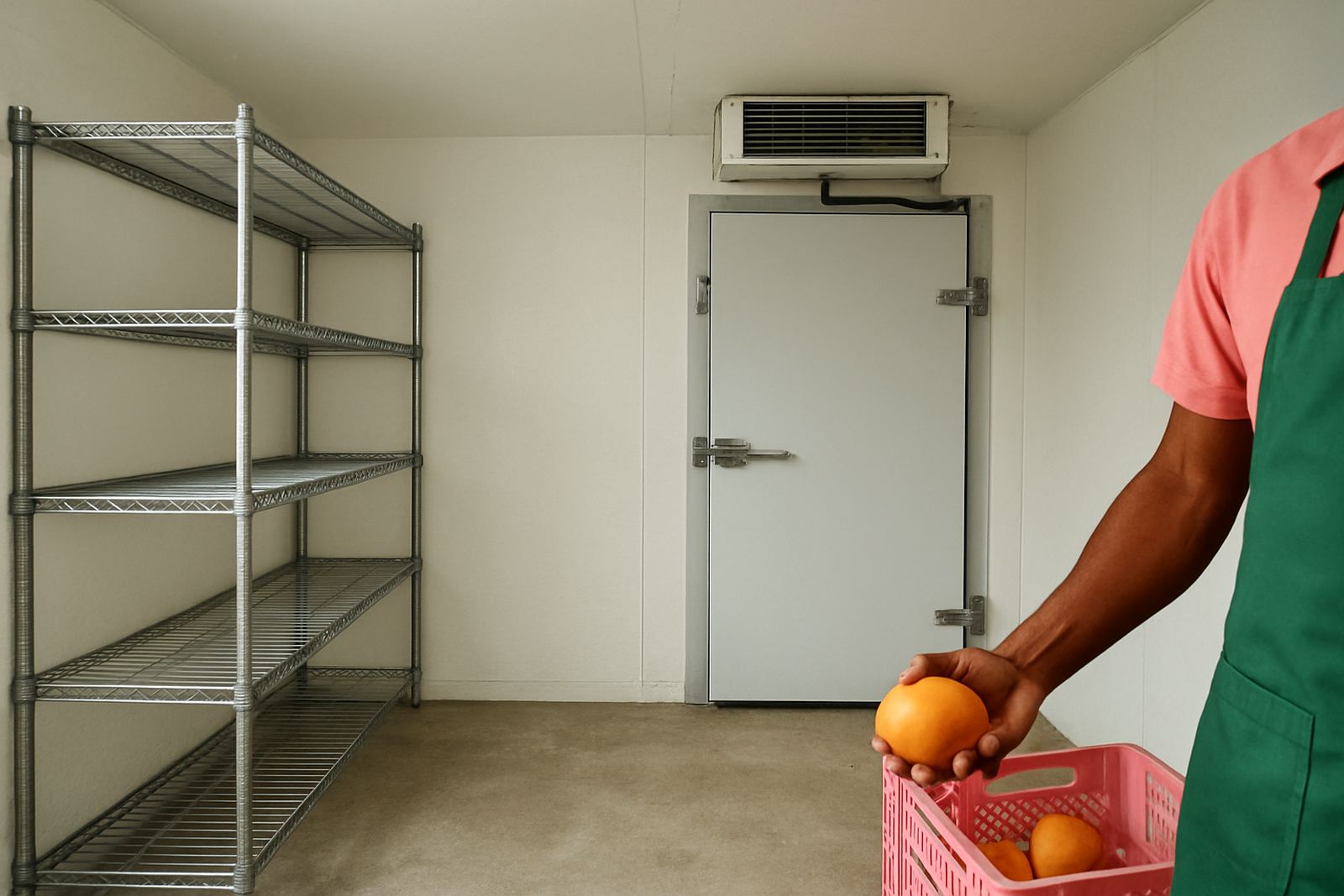
Think about how long stock stays inside, how often it is moved, and whether items come in from the kitchen, loading bay or direct from a vehicle. In busy areas like Cape Town CBD or Bellville, a room that opens many times an hour needs stronger cooling capacity than one used for overnight storage only. Also check whether you need shelving, racking, or open floor space for crates and trolleys.
- Match the room temperature to the stock category
- Allow extra capacity for peak trading days
- Plan for frequent door opening if staff load and unload often
- Leave space for air movement around shelves and boxes
Measure your access before you choose a layout
The cold room has to fit the site, not only the stock. Measure the available floor space, ceiling height, wall clearance and doorway width before you buy. In Cape Town, many sites in older buildings and small commercial units have tight access, low lintels or stairs that make delivery tricky. If the room must pass through a narrow entrance or around a corner, that changes the panel sizes and the installation plan.
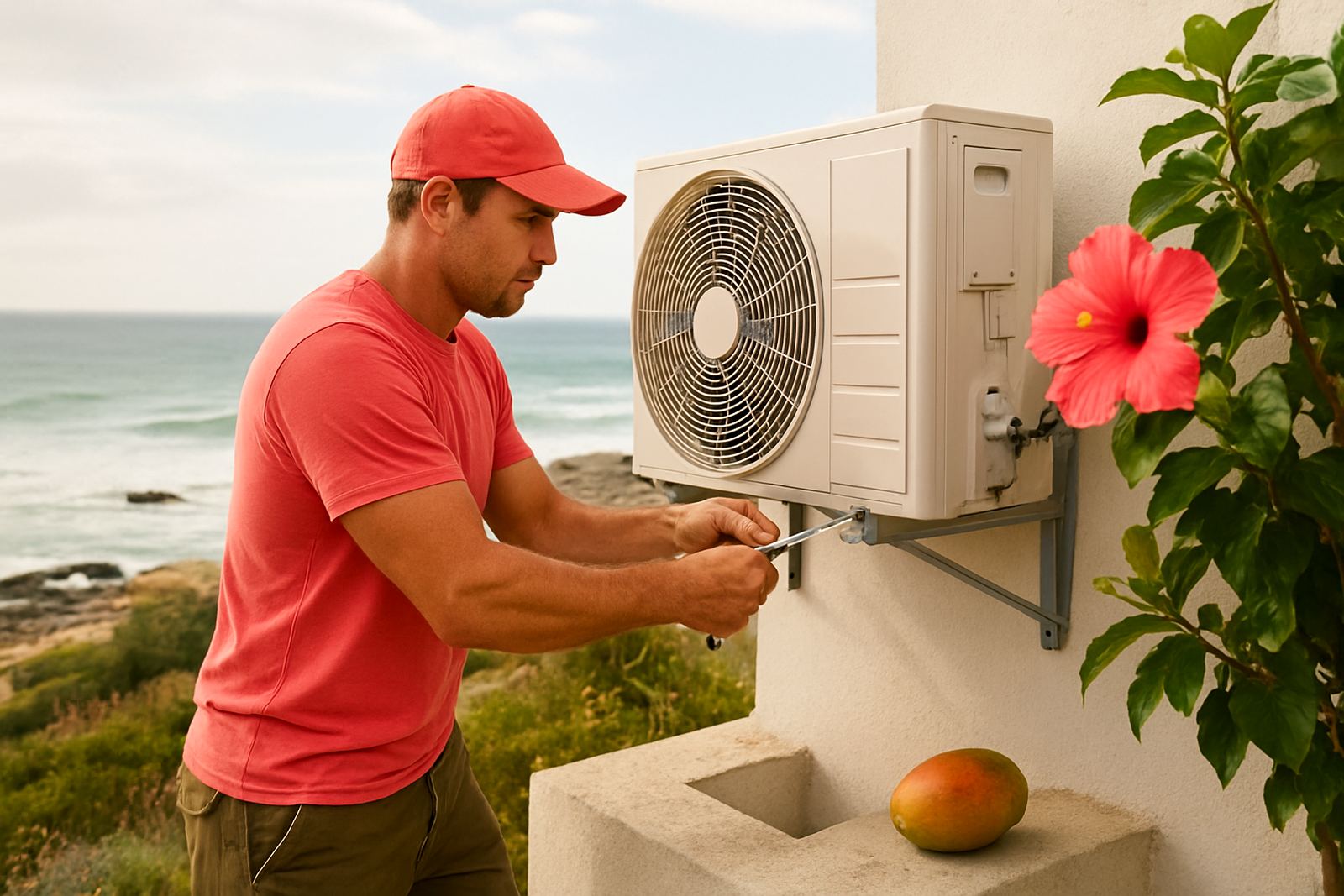
Also check the path from the loading point to the room. If trolleys need to cross a yard or a paved outdoor area, that surface must be level and easy to clean. For coastal sites in Fish Hoek or Somerset West, salt air and moisture can affect external components, so the placement of the condensing unit matters just as much as the cold room itself.
- Measure width, length and usable height in millimetres
- Check door swing, loading path and turning space
- Confirm the site can take the weight of the room and stock
- Allow service access for cleaning and future repairs
Choose insulation, doors and finishes for local conditions
Good insulation saves money every month, especially during load-shedding and summer heat. Panels with proper thickness help the unit hold temperature for longer when power dips or when a door is left open too long. If the room sits near a kitchen, bakery or sunny wall, you need to factor in heat from the surrounding area as well. A poorly insulated room will work harder, cycle more often and wear out sooner.
Door choice is just as important. A frequently used room needs a strong door seal, good hinges and practical handles that staff will actually close properly. In humid coastal conditions, select finishes and fittings that stand up to moisture. In food areas, smooth internal surfaces are easier to wash down and keep in line with municipal hygiene requirements. Small details matter here, because one bad seal can undo a lot of cooling capacity.
- Pick panel thickness based on holding temperature and site heat
- Choose a door size that suits trolleys and boxes
- Use washable internal finishes for food storage
- Ask about moisture resistant fittings for coastal areas
Work out operating hours and power reality
Your trading hours affect the equipment you need. A room used by a butcher from early morning to late afternoon will be opened far more often than a room used by a wholesaler at night. If stock is moved in large batches after hours, the room may need a quicker pull down after loading. That means the refrigeration system must cope with real use, not just brochure figures.
In Cape Town, power interruptions are part of planning. Ask how long the room must hold temperature during load-shedding and what backup arrangements you have in place. Some businesses need alarm checks, temperature logging or a generator feed. If the room stores high value stock, do not guess. Build the plan around the worst day, not the best one.
- List opening hours and peak loading times
- Check how long doors stay open during receiving
- Plan for power cuts and temperature recovery
- Decide whether you need alarms or logging
Know what sits outside the room
A cold room is only part of the system. You also need to think about the compressor unit, drainage, ventilation and service access. If the condensing unit is squeezed into a tight corner with poor airflow, it will run hotter and cost more to operate. That can lead to unnecessary call-outs, failed parts and warm stock. Leave enough space around the unit for cleaning and servicing.
Drainage should be sorted from the start. Water from defrost cycles and washdowns must move away cleanly, otherwise you end up with slips, smells or ice where you do not want it. If the room sits in a busy commercial area, make sure noise from the outside unit will not cause complaints from neighbours or landlords. A proper site layout avoids headaches later on.
- Allow clear air space around the refrigeration unit
- Check drain falls and where water exits
- Plan electrical supply and isolators early
- Keep service panels accessible for repairs
Use a simple buy checklist before you sign off
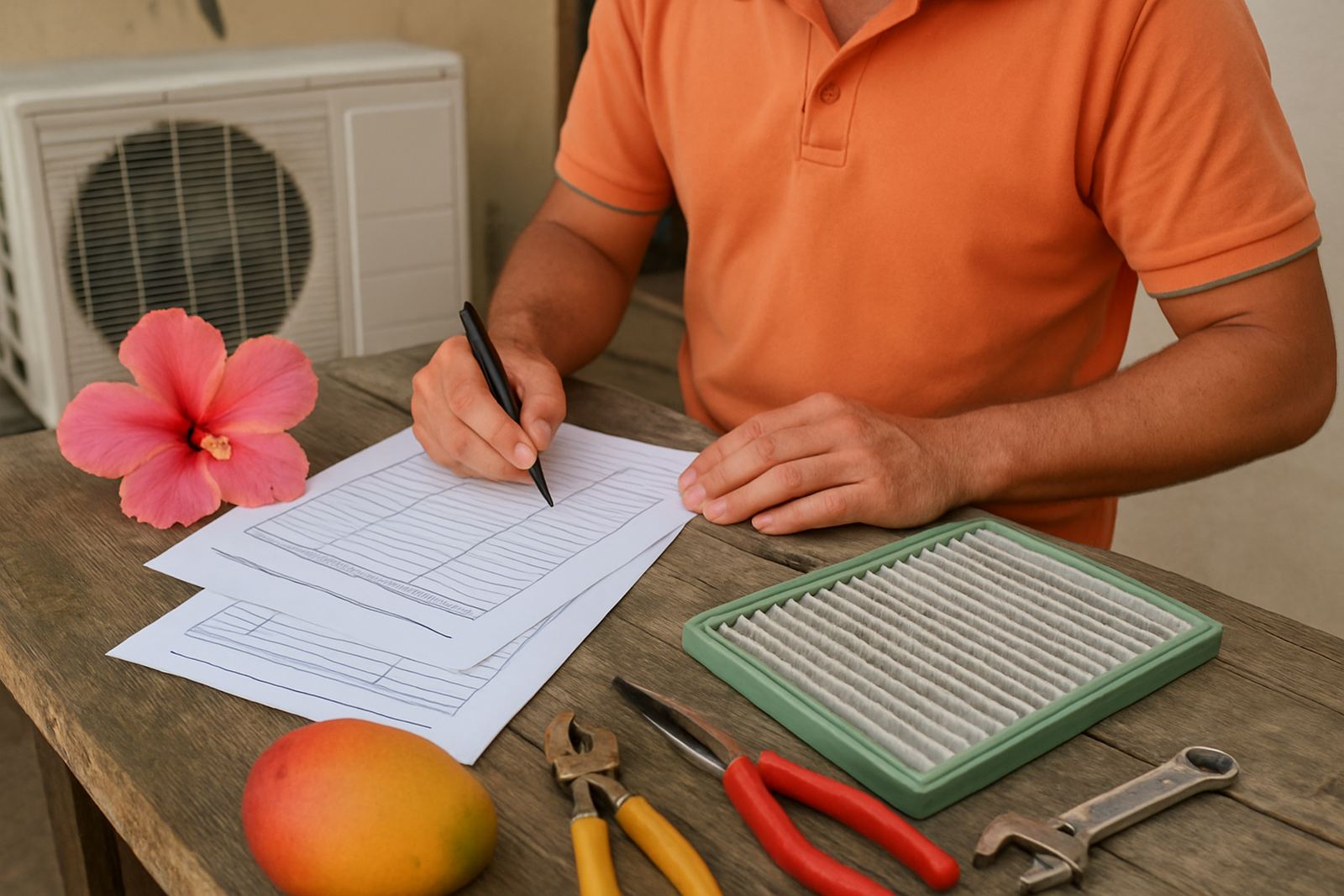
Before you order, walk the site and check every practical point. This saves costly changes after delivery. It also helps the installer prepare the right materials, the right pipe lengths and the right mounting method. If you are fitting out a new site in Montague Gardens, Milnerton, Claremont or Somerset West, the layout should support both daily use and future maintenance.
Use this short checklist to stay on track.
- What stock will be stored, and at what temperature?
- How often will staff enter the room each day?
- Is there enough space for panels, door swing and service access?
- Will the site handle moisture, heat and coastal conditions?
- What backup plan exists for load-shedding or power faults?
- Can the room be cleaned properly and kept compliant?
If you get these points right from the start, the room will be easier to run, cheaper to maintain and less likely to give trouble when trade is busy.