What a service plan should cover in Cape Town homes and businesses
A proper service plan is more than a once-a-year clean. It should match how often the equipment runs, where it sits, and what it is protecting. A home split unit in Claremont needs a different schedule to a restaurant cold room in Bellville or a shop freezer in the Cape Town CBD. If the plan is too light, minor issues are missed. If it is too heavy, you pay for checks that do not add value.
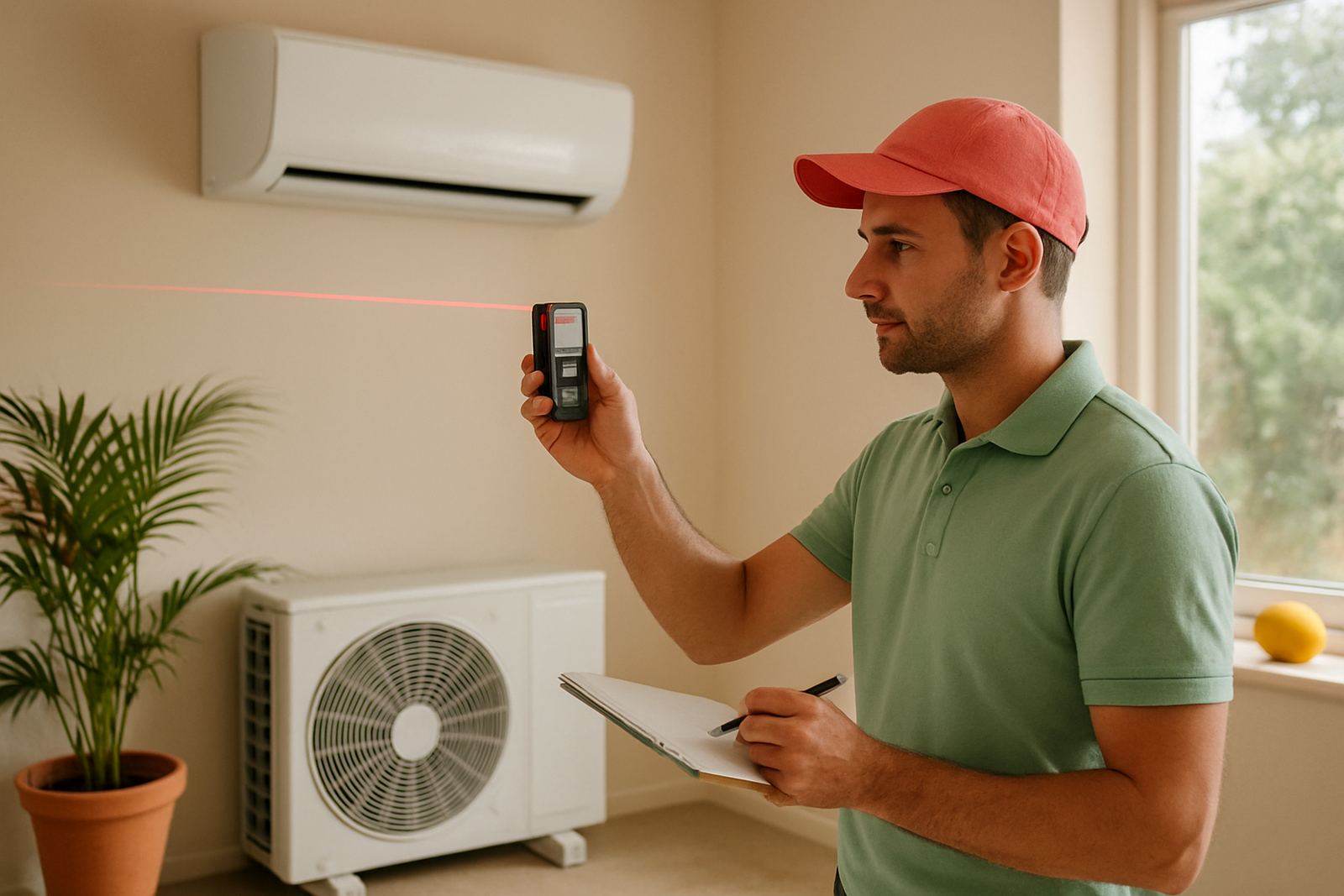
At Tropical Refrigeration, service planning starts with the basics: usage hours, room size, location, age of the unit, and whether the property is near the coast. Coastal air around Fish Hoek and Somerset West can speed up corrosion, while dusty or busy areas around Montague Gardens and Milnerton can clog filters and coils faster. A good plan should also factor in municipal rules, access times for commercial sites, and after-hours work where customer traffic makes daytime servicing difficult.
- Identify each unit and its duty, such as lounge, server area, office, cold room, or freezer.
- Set service frequency by use, not by guesswork.
- Include filter cleaning, coil cleaning, drain checks, electrical inspection, gas pressure checks, and airflow testing.
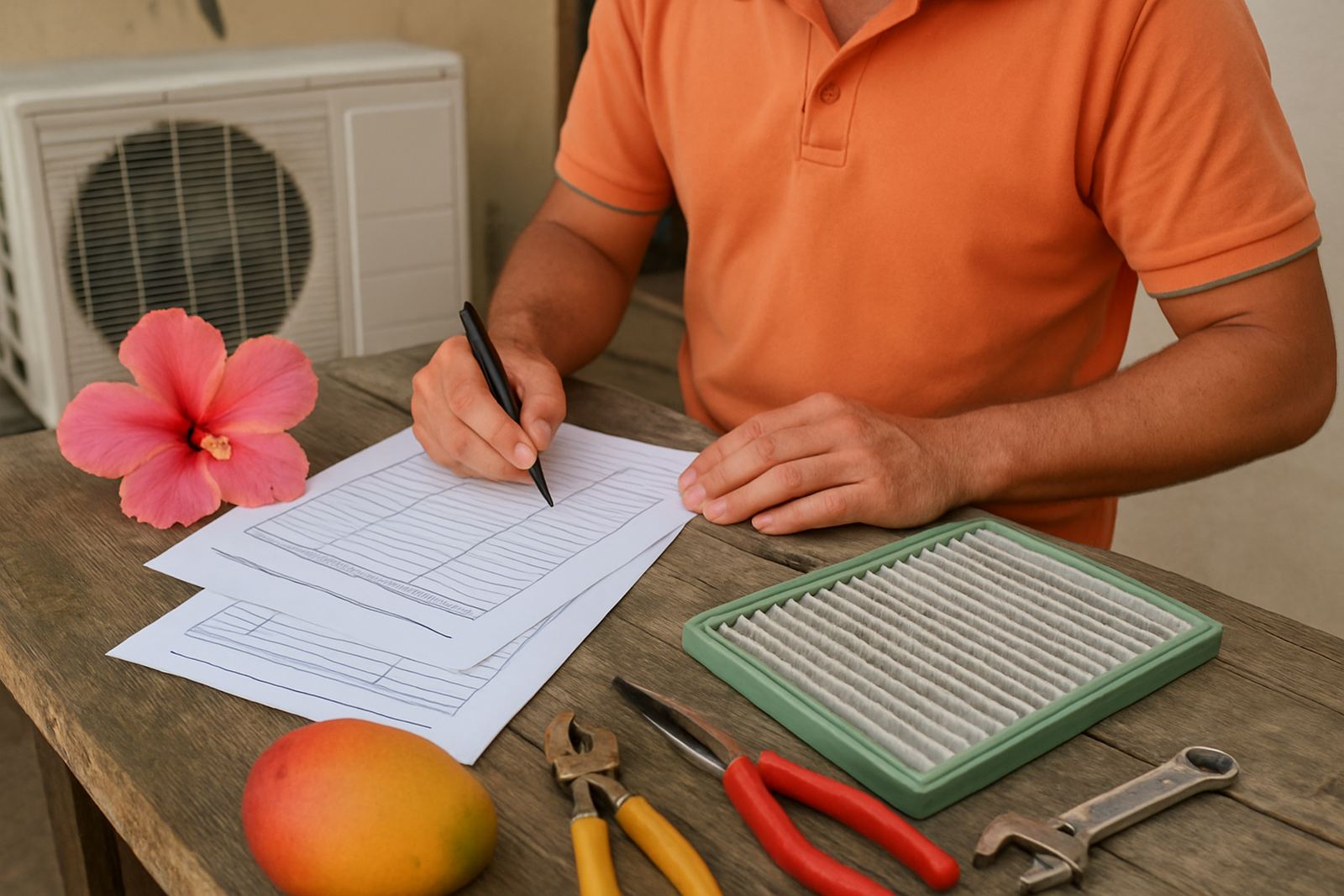
- Record faults found, parts replaced, and the date of the next visit.
Simple service intervals that help prevent surprise breakdowns
The right interval depends on how hard the system works. A lightly used home aircon may only need one or two full services a year. A business unit running through the day should be checked more often, especially where doors open often or the space is full of people and equipment. If the unit is serving a room that stays busy through load-shedding, the compressor and controls need extra attention because power cuts and restarts put strain on the system.
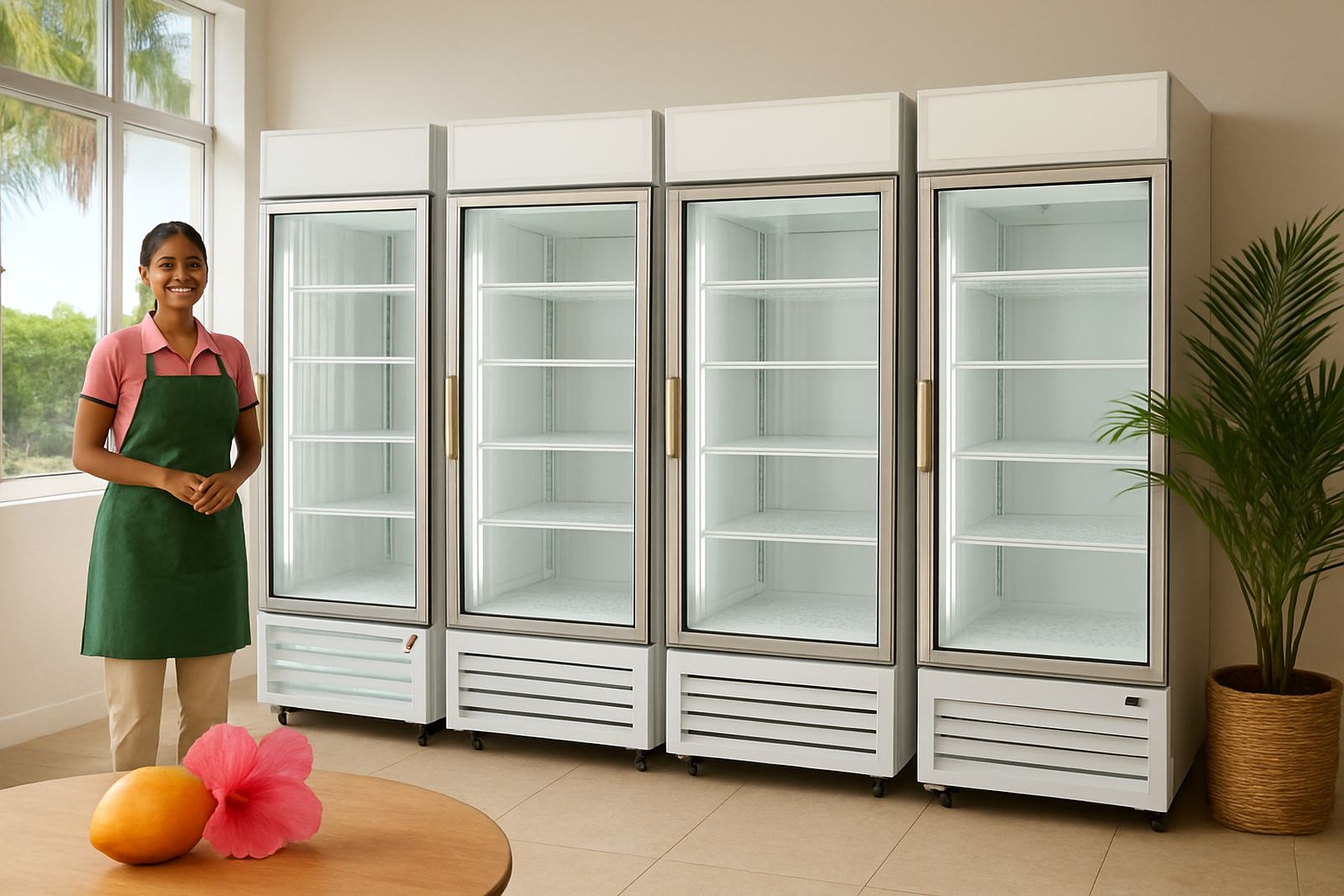
For many Cape Town sites, the practical approach is quarterly checks for commercial refrigeration and twice-yearly servicing for air-conditioning. That said, a cold room used for fresh stock, or a freezer that opens many times a day, may need monthly condition checks. A plan should never be fixed only on a calendar. It should change if the system starts cycling too often, icing up, tripping, or taking longer to cool than it used to.
- Aircons in homes: every 6 months, or sooner if filters clog quickly.
- Office units: every 3 to 6 months depending on use and dust.
- Cold rooms and freezers: monthly checks, with full servicing as needed.
- After repairs or a gas refill: recheck within a short period to confirm there are no new leaks.
Checklist for each visit so nothing gets skipped
Every visit should follow a proper checklist. That keeps the work consistent and helps spot patterns before they become breakdowns. It also makes it easier to compare one service with the next, which matters when a system is ageing or has had several call-outs. A good technician should leave a clear record of what was done and what still needs attention, not just a note that the unit was serviced.
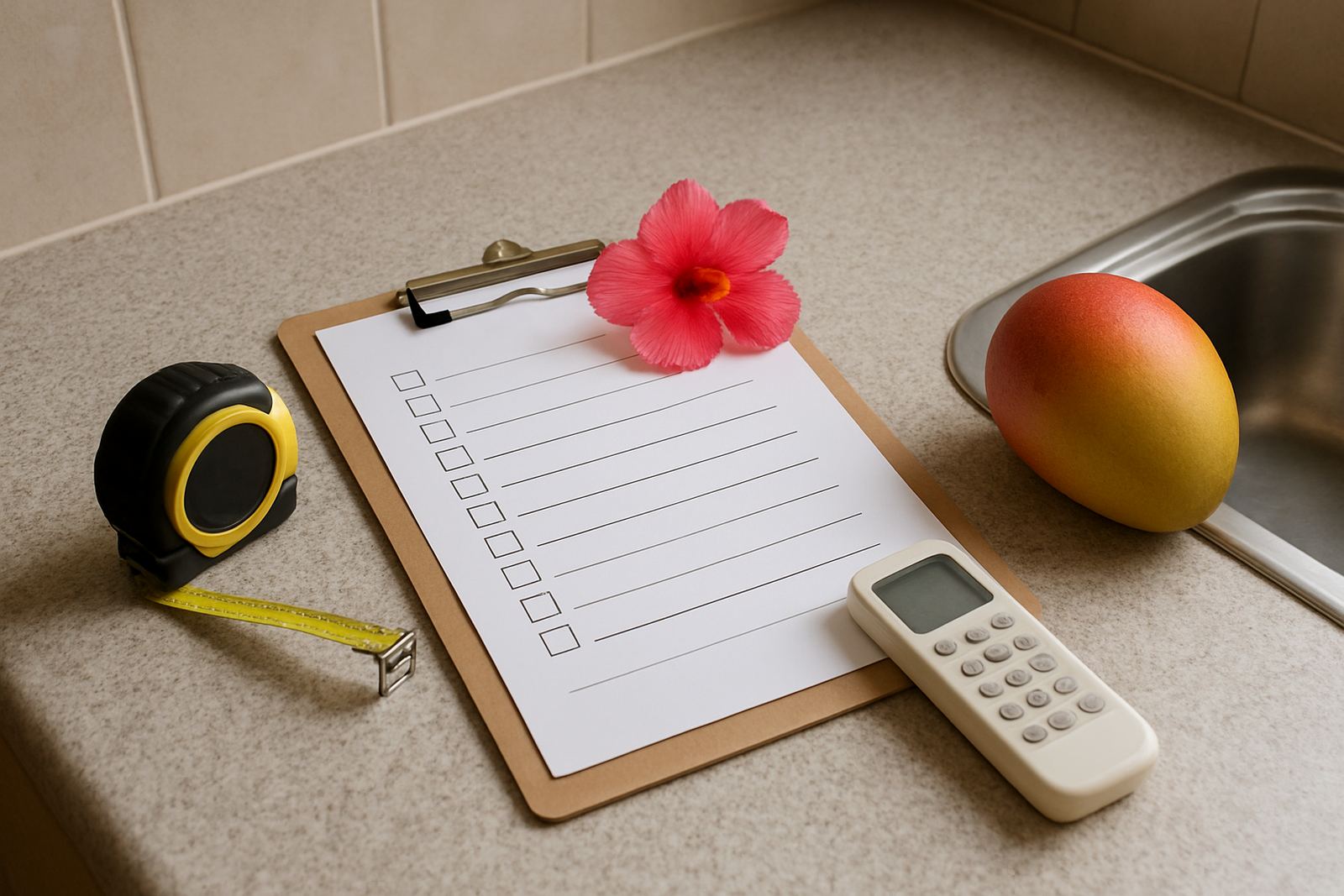
Here is the kind of checklist we recommend for most service plans:
- Check filters and clean or replace them where needed.
- Inspect evaporator and condenser coils for dust, grease, or salt build-up.
- Test drain lines and trays so water does not back up or drip into ceilings.
- Check for gas leaks, poor pressure, and signs of icing.
- Inspect electrical connections, contactors, capacitors, and control settings.
- Measure temperatures at inlet and outlet points.
- Listen for unusual noise, vibration, or fan problems.
- Confirm thermostat operation and correct set points.
If a unit is older, the service should also include a close look at the compressor, insulation, and mounting brackets. Small corrosion spots on outdoor parts can become a real issue in the Cape Peninsula, especially when sea air and winter rain work on the metal month after month.
Warning signs that the plan needs to be adjusted
If a unit keeps needing call-outs, the plan is not doing its job yet. It may be under-serviced, or the equipment may be working harder than it was designed to. Short cycling, weak airflow, rising power use, warm shelves in a freezer, or water on the floor are all signs that the next service should be sooner rather than later. On aircons, musty smells and poor cooling often point to blocked filters, dirty coils, or a drain issue. On refrigeration, temperature drift can spoil stock before the fault is obvious.
Do not wait for a full failure if you notice repeated symptoms. A change in sound, longer pull-down time, or icing on the pipes can mean low gas, blocked airflow, or a failing part. At that point the service plan should shift from routine cleaning to problem finding. That may include leak detection, thermostat replacement, compressor checks, or ventilation servicing depending on the system.
- Cooling slower than normal.
- Water leaks, ice build-up, or foul smells.
- Frequent tripping or starting problems.
- Uneven temperatures inside the room or cabinet.
How to prepare your site before a technician arrives
A little preparation saves time and helps the visit go smoothly. Clear access to the indoor and outdoor units, make sure the area around a cold room or freezer is tidy, and let staff know when the technician will be working. If the site has security controls or loading bay restrictions, these should be shared in advance so there are no delays. For offices in Claremont or the CBD, this can make the difference between a quick service and a wasted visit.
It also helps to keep a simple fault log. Note the date, the problem, what time it happens, and whether it follows load-shedding, heavy rain, or a busy service period. That detail helps find patterns. A unit that only struggles on very hot afternoons may need capacity review, while a freezer that fails after a power cut may need control checks or a better restart procedure. Even small notes can point a technician in the right direction. The service report then becomes a working record, not just paperwork.
A maintenance plan that fits your budget and your equipment
The best plan is one you can keep up over time. For homes, that often means a yearly or twice-yearly service with call-out support when something goes wrong. For businesses, it usually means scheduled visits, priority response, and a clear list of parts that are likely to wear. That way you can budget for maintenance before a failure hits during a busy week or on a hot weekend.
We work across Cape Town and the Cape Peninsula from our Montague Gardens base, serving areas such as Milnerton, Bellville, Fish Hoek, Somerset West, the CBD and Claremont. Whether the job is an aircon service, a gas refill, a leak check, or a cold room repair, the aim is the same: keep the system working properly, avoid repeat problems, and extend its working life. A good plan saves time, protects stock, and gives you fewer surprises when temperatures climb or the power cuts out.
If you want a service schedule that suits your property, the equipment, and the way it is used, Tropical Refrigeration can help put one together with practical steps and clear visit intervals.