When a gas refill is the right fix
Refrigerant does not get used up in a normal air-conditioner or refrigeration system. If the gas level is low, there is usually a leak somewhere. That is why a refill is not the first step every time. It makes sense when the unit is still mechanically sound, the compressor is working, and leak checks show a small or repaired loss that has been sorted out.
In Cape Town, we often see systems lose gas after a coil puncture, loose flare joint, vibration damage, or corrosion on coastal properties in Milnerton, Fish Hoek and parts of the Cape Peninsula. On older units, repeated topping up without repair usually leads to poor cooling, icing on the pipes, and higher power use. If the unit has been running flat for a while, the technician should first check pressures, temperatures, electrical condition, and airflow before any refill is done.
A proper refill is not a quick pour-and-go job. It should form part of a fault check, not replace it. If a contractor wants to gas a system without looking for leaks, ask why. That question saves money later and avoids a return call when the unit drops out again.
Signs your system may be low on refrigerant
Low gas often shows up as weak cooling, longer run times, or a unit that blows air but never seems to reach the set temperature. In offices and shops around Cape Town CBD, Bellville and Somerset West, people often notice the system starts well then fades by midday, especially when load-shedding or power dips have caused extra strain on older equipment.
Watch for the following signs before you book a refill:
- Warm air from the indoor unit even when the thermostat is set low
- Ice on the pipework, indoor coil or outdoor unit
- Hissing, bubbling or faint gas escape sounds
- Water dripping from places it should not
- Higher electricity bills with no change in use
- Fridge or cold room temperatures drifting out of range
These signs can also point to blocked filters, a faulty fan motor, bad controls, or dirty coils. That is why the full system check matters. Low gas is one possible cause, not the only one.
Checks that should happen before any refill
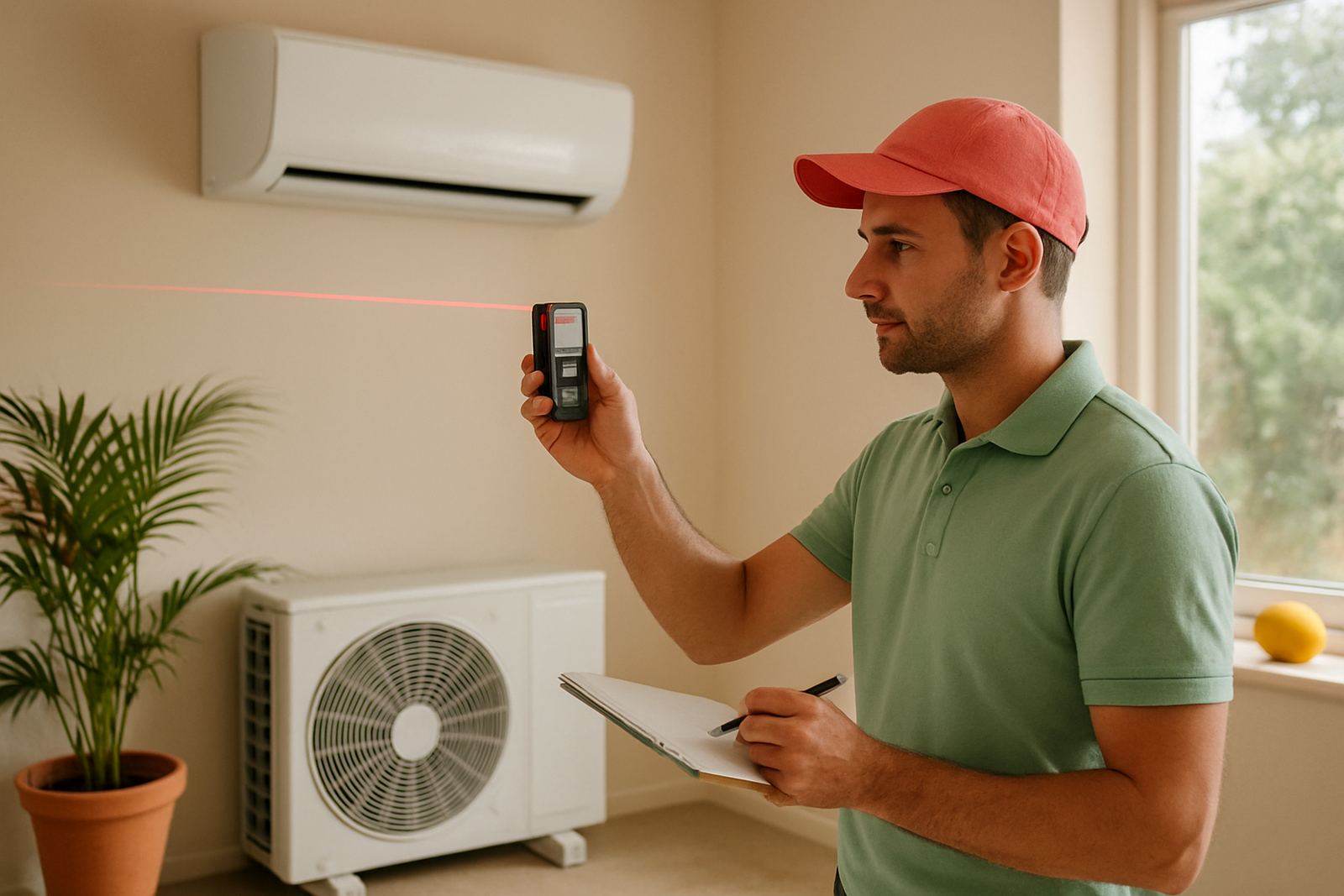
A good technician starts with the basics. The unit must be isolated safely, the electrical supply checked, and the filters, fans and coils inspected. If airflow is poor, adding gas will not fix the problem. For commercial refrigeration, the condition of the cold room door seals, defrost cycle, thermostat, and compressor operation all matter too.
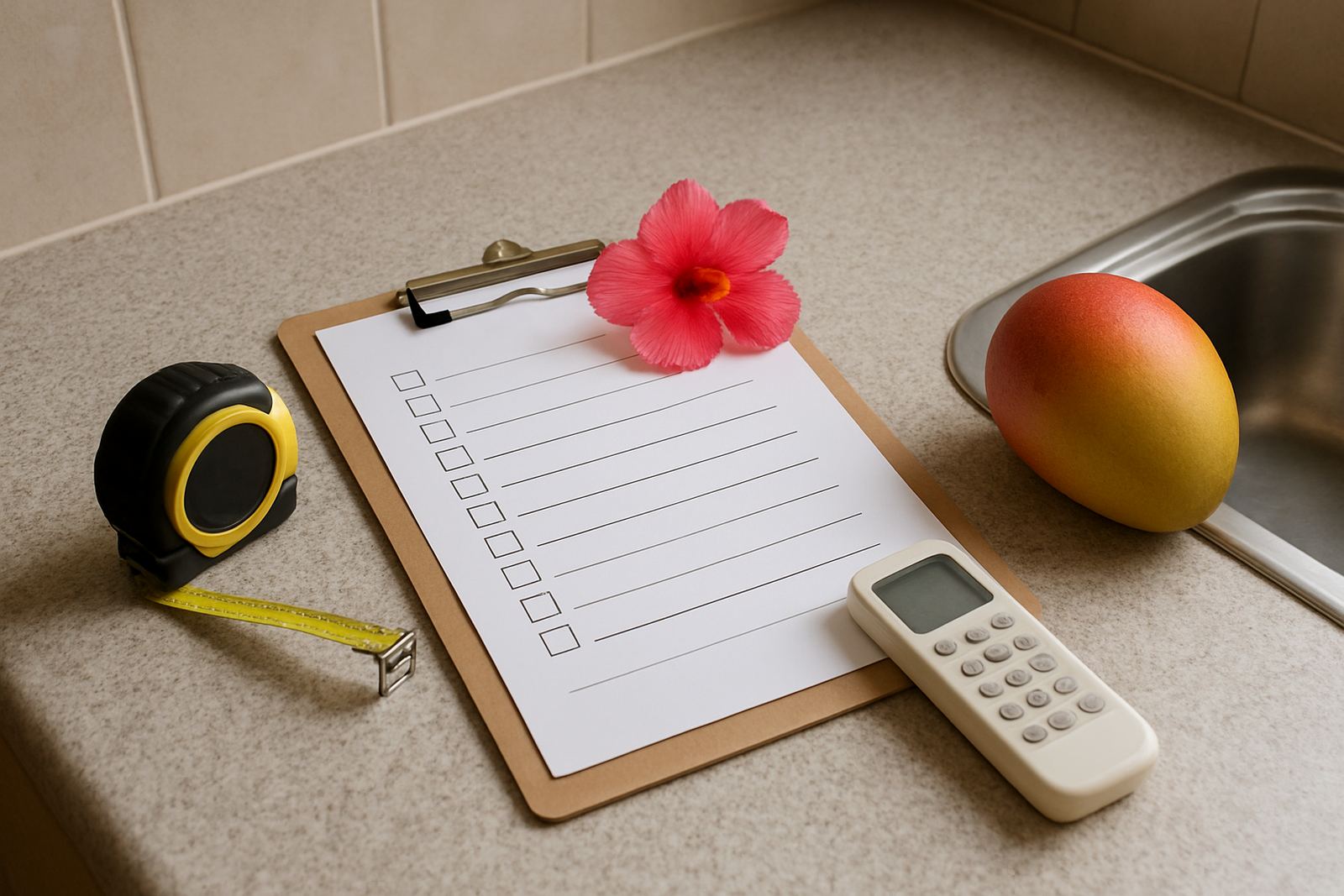
We normally work through this checklist before refilling:
- Inspect indoor and outdoor units for dirt, ice, oil marks and physical damage
- Check fans, compressor start-up and running current
- Test pressure readings against the system condition
- Look for leaks at joints, valves, coils and service ports
- Confirm thermostat and control settings are correct
- Check for blocked filters or restricted airflow
If a leak is found, it should be repaired first. If a part such as a thermostat, compressor or fan motor is failing, that fault needs to be dealt with before gas is added. Otherwise the system may cool for a short while and fail again, often at the worst time.
What a proper refill should include
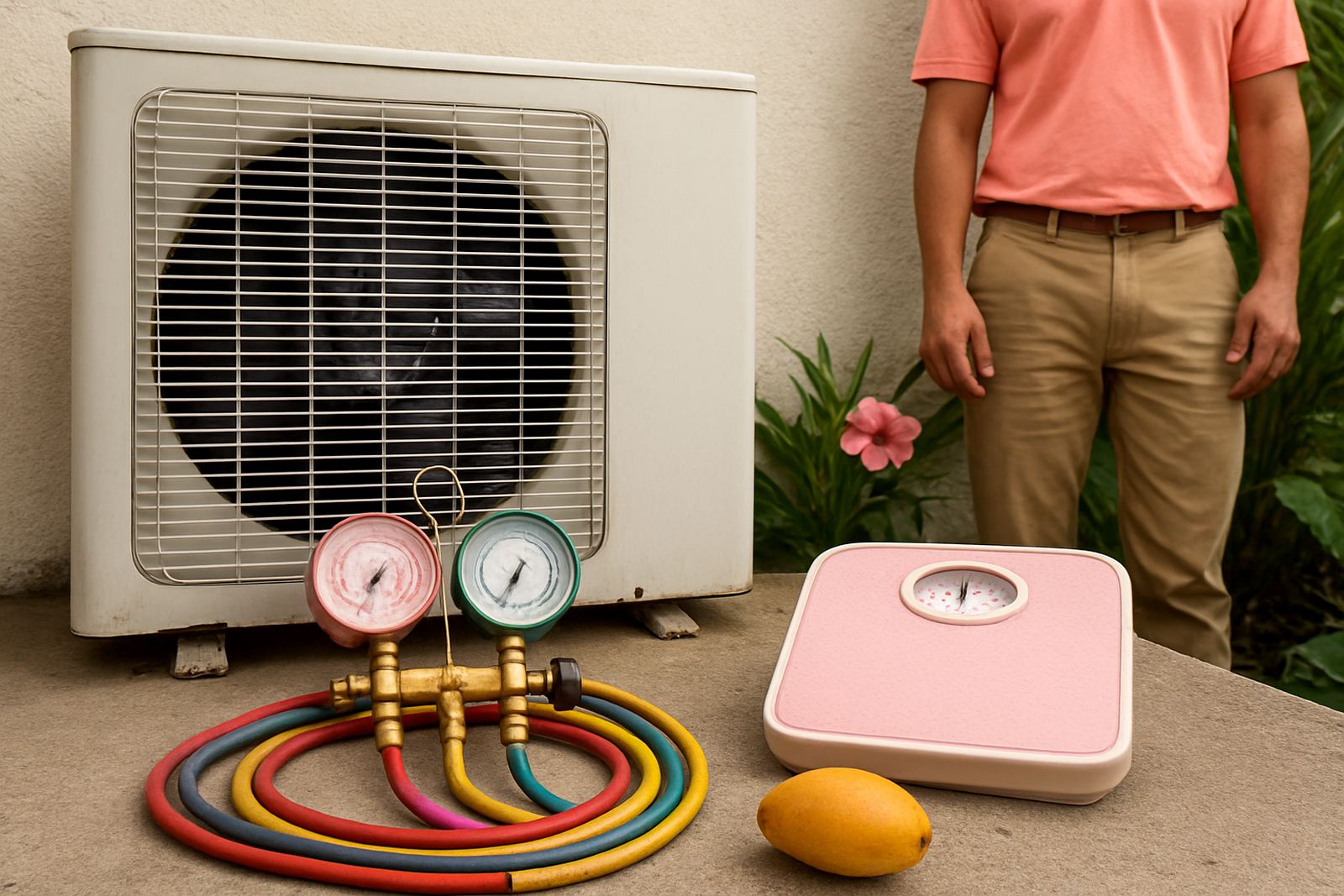
Once the fault checks are done, the refill itself should be measured and controlled. The technician should use the correct refrigerant type for the unit and charge to the required level, not by guesswork. Overfilling can damage the compressor and underfilling leaves the system working too hard. Both are costly.
For homes in Claremont or Milnerton and office units in the CBD, a proper refill should be followed by a full test run. The unit needs time to stabilise so temperatures, pressures and airflow can be confirmed. On cold rooms and freezers, the system should be checked under load, because a room that is almost empty behaves very differently from one that is packed and opening often.
Ask for clear feedback on what was done. You should know whether the gas loss came from a leak, a service port issue, or another fault. If the technician had to remove and replace a component, make sure that is recorded too. That helps with future service and avoids repeat work.
Refill or repair first, how to tell the difference
Many people ask for a gas refill when what they really need is a repair. The fastest way to decide is to look at the history of the unit. If it was serviced properly, then cooled well for a long time, and now is suddenly weak, a leak is likely. If it has needed topping up every few months, there is definitely a problem to trace.
Use this simple guide:
- Refill only after a small verified loss and a proper leak check
- Repair first when there is visible oil, damaged pipework, or repeated gas loss
- Replace a part when the compressor, valve, or thermostat is failing
- Clean and service when poor airflow or dirty coils are the main issue
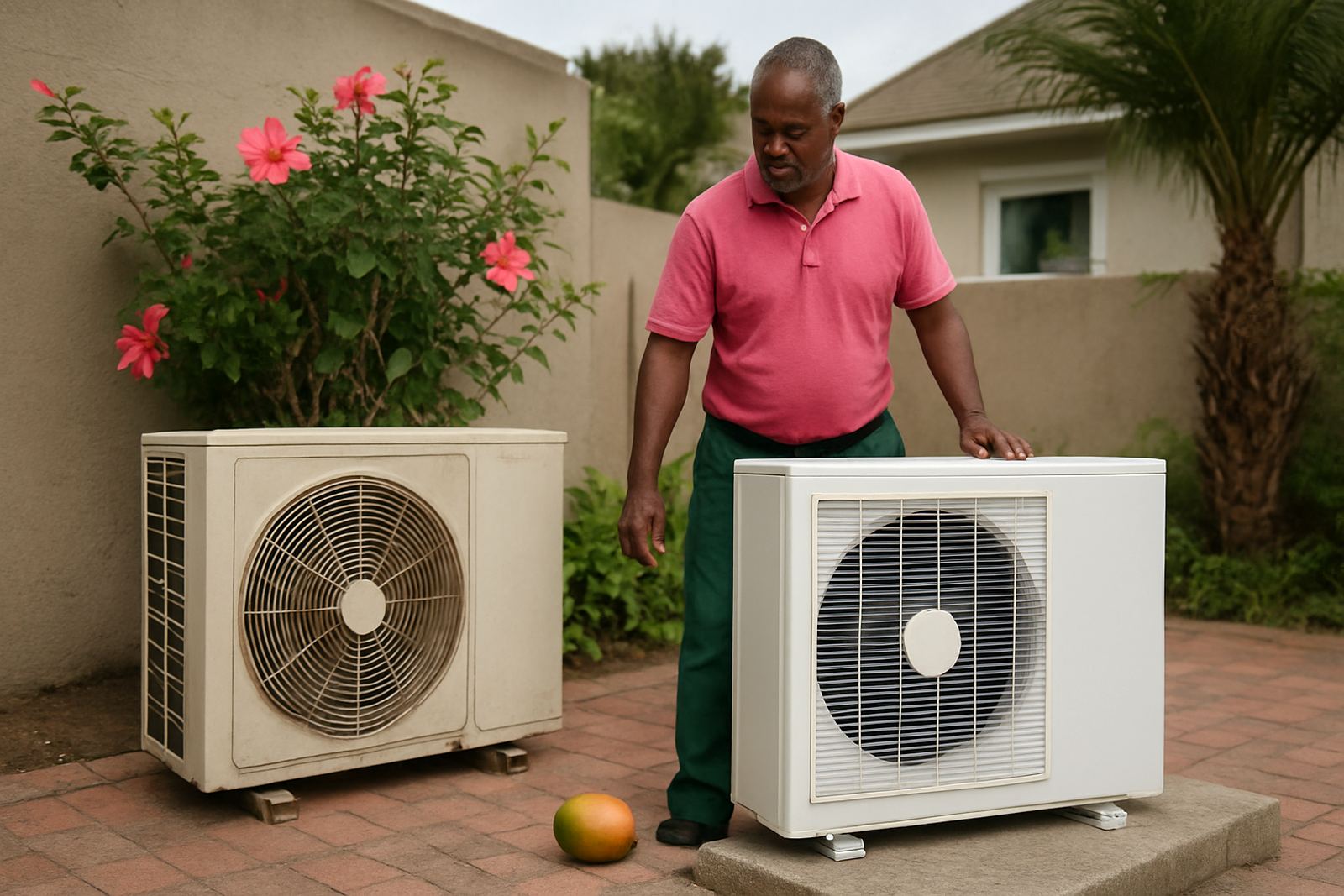
On older split units, small leaks around fittings can sometimes be repaired and the system recharged. On badly corroded systems, especially near the coast, a refill may only buy time. In those cases, honest advice matters more than a quick sale.
How we handle gas refills across Cape Town
We work from our Montague Gardens base and serve homes, offices and commercial sites across Cape Town and the Cape Peninsula. That includes the CBD, Milnerton, Bellville, Claremont, Somerset West and Fish Hoek. The approach stays the same: inspect first, find the cause, then refill only when it makes sense.
For bookings, send the unit type, the fault you are seeing, and whether it is a home aircon, office system, cold room or freezer. If there has been water leaking, icing, warm air, or repeated tripping during load-shedding, mention that as well. It helps the technician arrive prepared with the right test gear and spare parts.
If the system is still under strain after a refill, the next check may be airflow, drainage, electrical supply, or a worn component. A proper site visit should leave you with a clear answer, not just a top-up and a hope that it lasts.
Simple booking checklist before we arrive
You do not need to strip the unit down before a callout. A few details help speed things up and avoid wasted time on site. For offices and shops, please have access arranged for the roof or exterior wall unit if needed. For homes, clear the area around the indoor unit and outdoor condenser so testing can happen safely.
- Unit type and room size
- Location of the fault and how long it has been happening
- Any recent service, repair or power interruption
- Whether the system is icing, leaking water or not cooling at all
- Access notes for body corporate, security or roof areas
Good information at the start makes the visit faster and the result cleaner. It also helps us tell the difference between a gas issue and a bigger repair before anyone spends money on the wrong fix.