Start with the age and duty of the unit
Age is the first filter. A home split unit that is 3 to 7 years old is often worth repairing if the fault is clear and parts are available. Once a unit is getting older, especially if it has seen heavy summer use, coastal air or repeated power cuts, the numbers start to change. In Cape Town and the Peninsula, salt in the air can shorten the life of outdoor coils and electrical parts, so the same unit may age faster near the sea than it would inland.
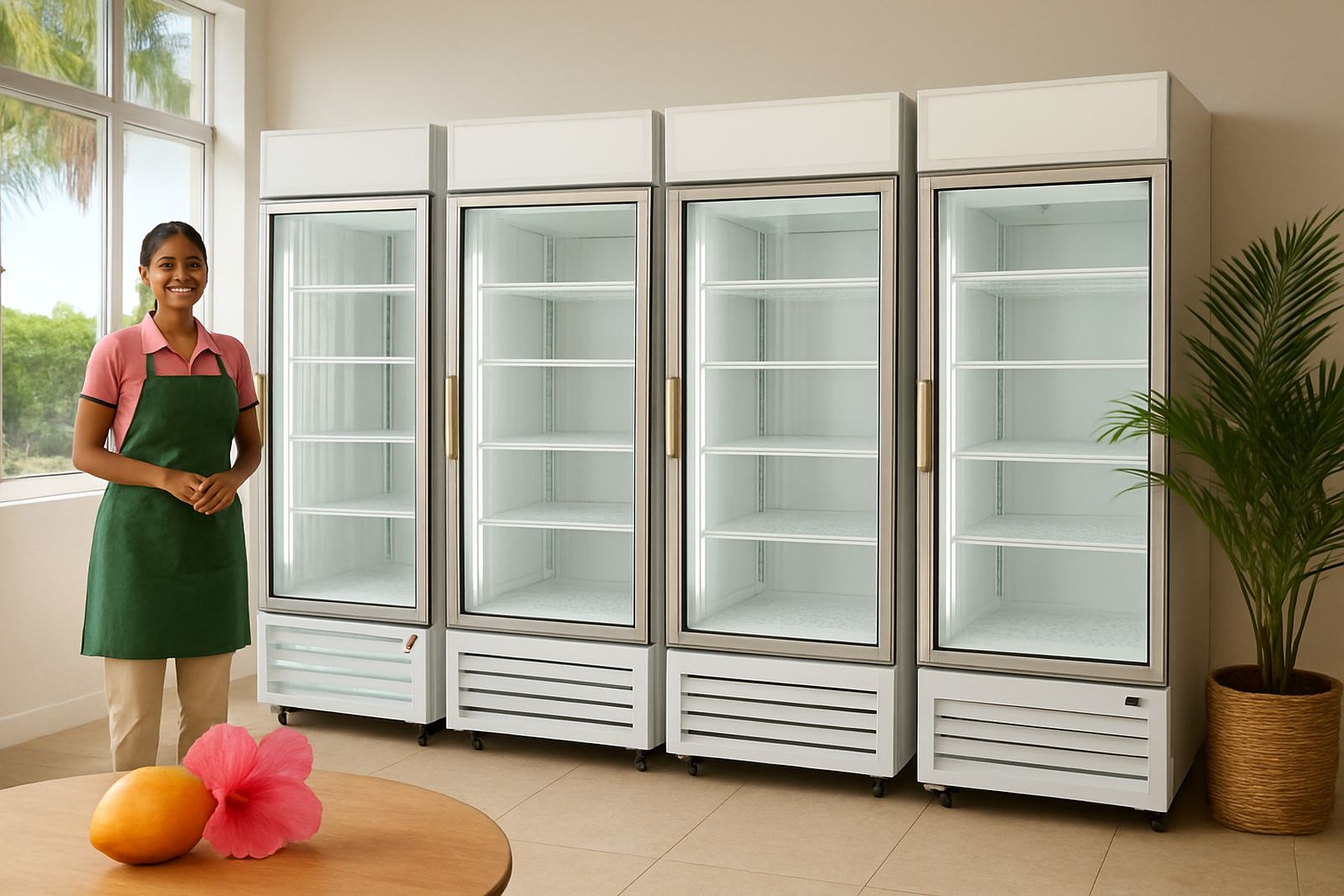
For commercial refrigeration the working load matters even more. A freezer or cold room in daily use, with doors opening all day and product moving in and out, has a different life cycle to a lightly used office aircon. If a unit has already needed gas refills, fan motor work or compressor attention more than once, replacement may work out cheaper over 12 to 24 months.
Think about how hard the unit is expected to work. A small bedroom aircon used at night is not the same as a reception area or kitchen prep room running long hours. The more the unit runs the more wear you get on the compressor, thermostat, fans and controls.
Check the fault history before you spend
A single fault does not always mean replacement. A blocked drain, dirty filter, loose connection or worn capacitor can usually be sorted without major expense. But if the same unit keeps losing gas, tripping the breaker or icing up after previous repairs, there is likely a deeper issue. Repeated top ups are often a sign of a leak somewhere in the system.
Before approving work, ask for the fault history and whether the technician found a one-off issue or a pattern. The more often a system has been opened, the more chance there is of contamination, poor joints or damage to wiring and pipework. That is when repair bills can start creeping up quicker than expected, especially if the unit has already had stop-start servicing.
- Look for repeated gas loss, not just low cooling.
- Check if the breaker trips when the unit starts.
- Ask whether the fan motor, compressor or control board has failed before.
- Confirm if the drain, filters and coil were last cleaned properly.
Compare the repair quote with the running cost
A proper comparison is not just the repair price. You need to compare what you pay today with what the unit will cost to run over the next season. A tired unit may still switch on, but it can use more power, cool less evenly and put strain on other parts. In load-shedding conditions, that strain can get worse because the system is restarting more often than it should.
If the repair is small and the rest of the unit is sound, repairing makes sense. If the quote includes major parts, labour and a fresh gas refill, and the system is still old or under-sized, replacement can become the better financial choice. A new unit can also give you quieter operation and better control, which matters in offices, retail spaces and small food rooms.
For refrigeration, also consider product risk. If a fridge or freezer failure could spoil stock, every hour offline has a cost. A cheaper repair that fails again next week can end up more expensive than fitting new equipment once.
Use this decision checklist before you commit
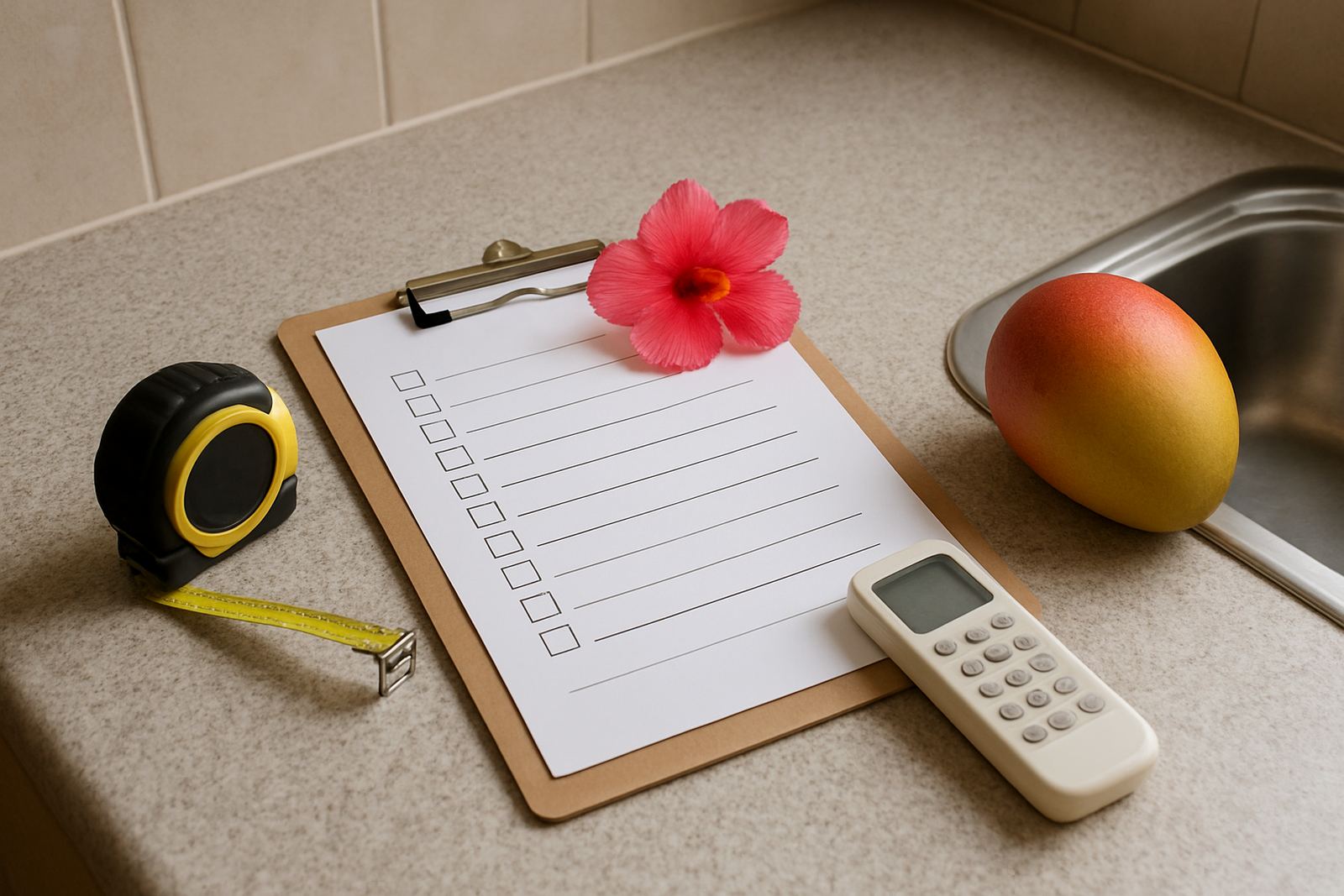
When you are stuck between fixing and replacing, use a straight checklist and keep it practical. You do not need guesswork, only the facts on age, fault cause and expected life after the repair.
- How old is the unit, and how hard has it been used?
- Has the same fault happened more than once?
- Is the issue minor, or does it involve the compressor, coil or control system?
- Are spare parts available locally, and at a sensible cost?
- Will the repaired unit still be efficient enough for your monthly power bill?
- Does the business rely on the unit to protect stock or staff comfort every day?
If three or more answers point toward age, repeat faults or high running costs, replacement deserves a serious look. If most answers point to a single fix and the unit is otherwise healthy, repair is usually the better move.
Know when replacement is the smarter move
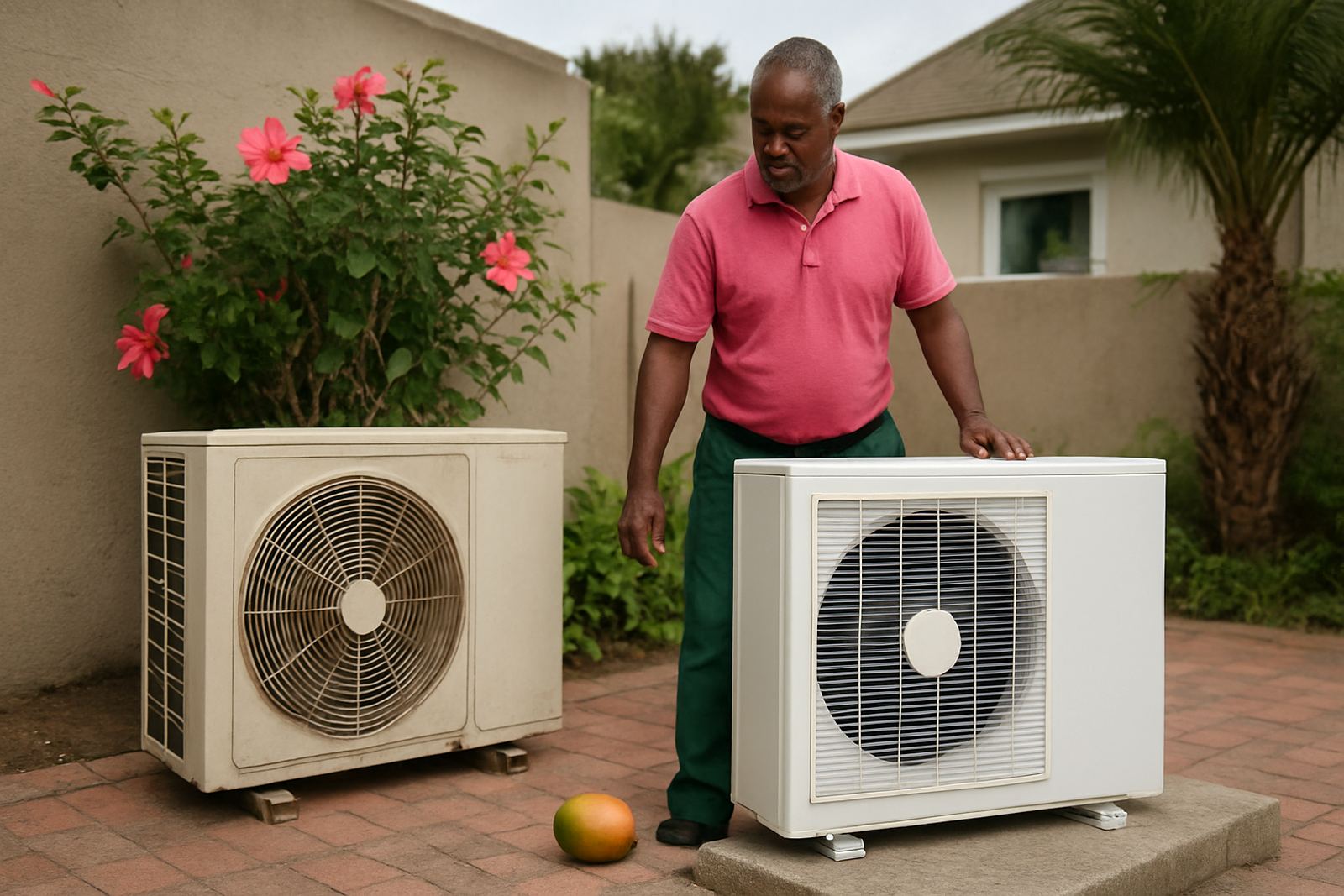
Replacement is often the better choice when the unit is old, the fault is major, or the space needs have changed. A home office that now doubles as a working room may need better cooling than the original unit can provide. The same applies to shops, salons, kitchens and stock rooms that have changed layout or load since the system was first installed.
Common signs that point toward replacement include a failing compressor, repeated electrical faults, badly corroded outdoor components, and constant top ups of gas after leak repairs. If the coil is badly damaged or the casing has rusted through, you can end up paying for repeated patch jobs with no real improvement. In coastal suburbs this can happen sooner than many owners expect.
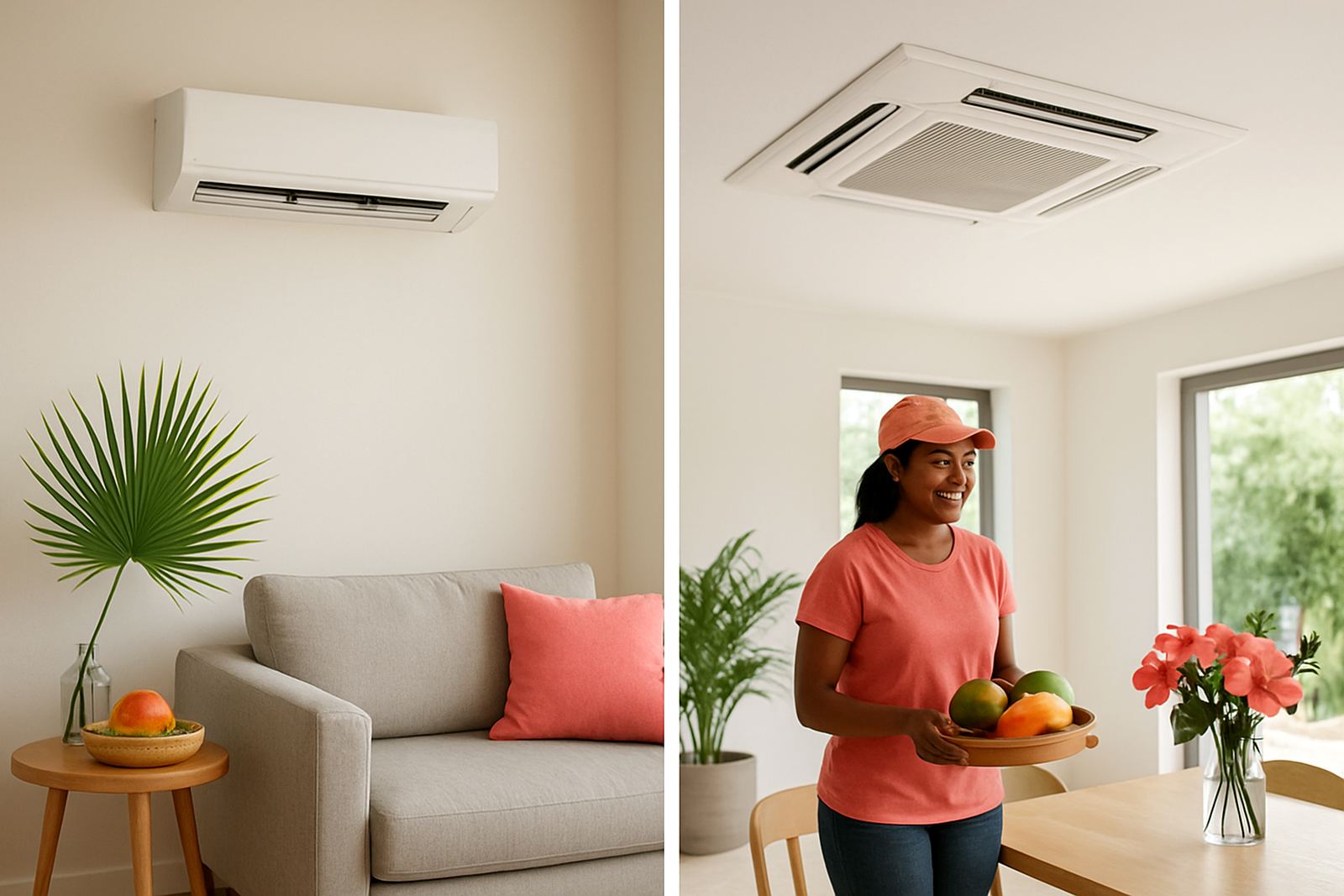
Replacement also gives you a clean start on sizing, placement and service access. That matters in tight ceilings, balcony installations and sites where municipal or building rules affect where units can go and how drains must be routed.
What to ask for from your technician in Cape Town
Whether you choose repair or replacement, ask for a plain explanation of the fault and the likely lifespan after the work is done. A good report should say what failed, what was tested, what was replaced and whether more work is likely later. That helps you budget instead of getting caught by surprise.
At Tropical Refrigeration, we often look at the whole picture: the age of the unit, the condition of the pipework, the effect of sea air, and how much strain the system takes during summer and load-shedding. That gives you a better answer than a quick patch and a vague promise. Sometimes a repair is the right answer, sometimes a new installation saves money over the next few seasons, and the difference is in the detail.
If you need help deciding, send us the unit type, approximate age, and the symptoms. We can assess whether repair is sensible or whether replacement will serve you better over time.