Why square metres are only the starting point
Many people begin with a simple rule of thumb based on square metres, and that can help with an early estimate. But two rooms with the same floor size can need very different cooling. A shaded bedroom in Fish Hoek is not the same as a top floor office in the Cape Town CBD with late afternoon sun and glass on two sides.
For Cape Town conditions, you also need to think about summer heat, winter damp, load-shedding recovery and how often doors open and close. A unit that is too small will run constantly and still struggle. One that is too large can cool too quickly, then cycle on and off too often, which is hard on parts and can leave the room feeling clammy.
The main factors that change aircon size
Before choosing a unit, look at the room as a whole. The floor area matters, but the load on the aircon comes from several sources at once.
- Room size in square metres and ceiling height
- Number of windows and whether they face north, west or full sun
- Insulation in the roof and walls
- How many people use the space at one time
- Heat from computers, fridges, printers or cooking equipment
- How often doors are opened to the outside or into a corridor
- Whether the room is used all day or only in the evening
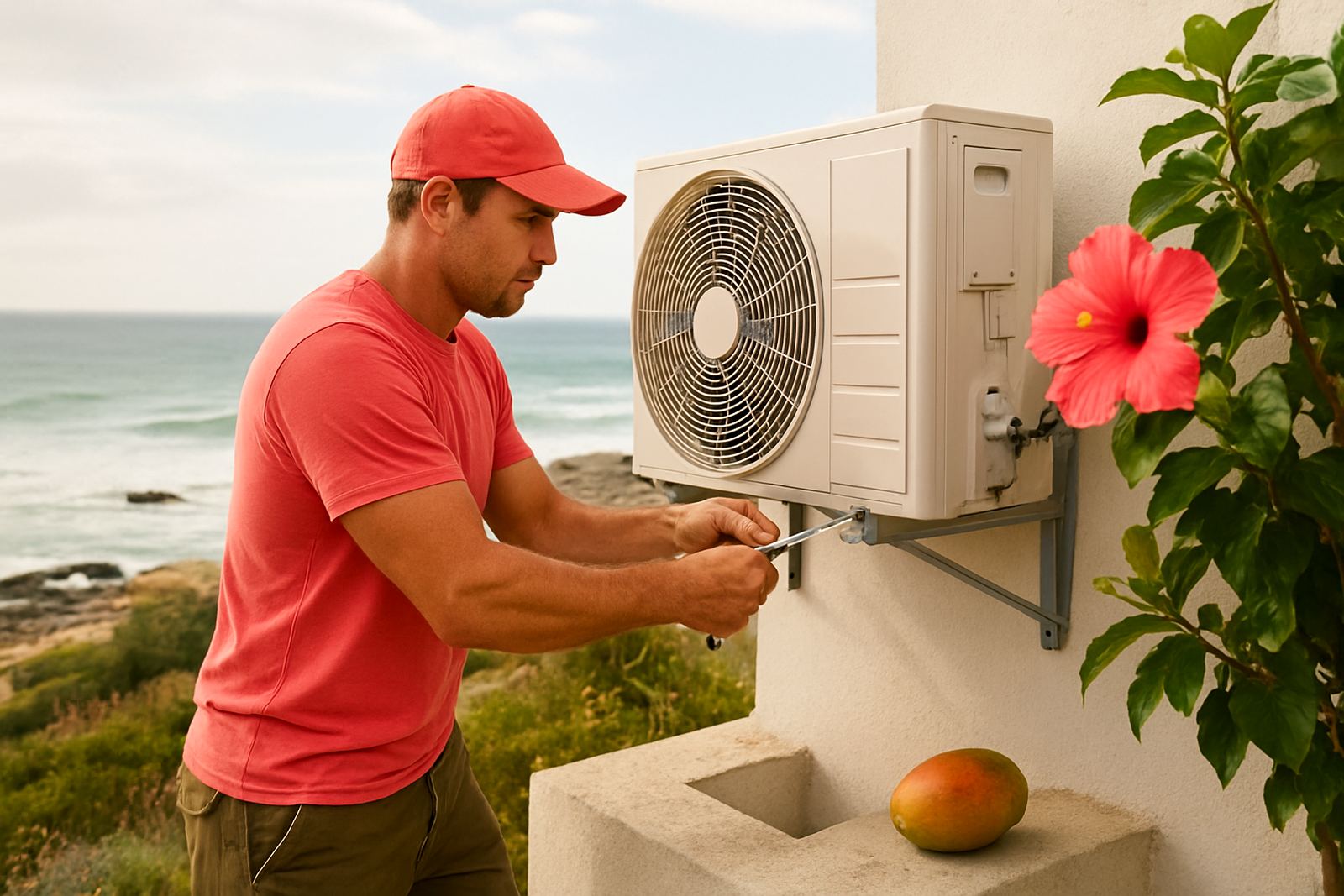
If you are near the coast, salt air can also affect outdoor units and fittings over time. That does not change the size calculation directly, but it does matter for the type of installation and maintenance plan you choose.
A simple step by step sizing check
Use this quick check before you ask for a quote. It gives a better starting point than guessing from floor space alone.
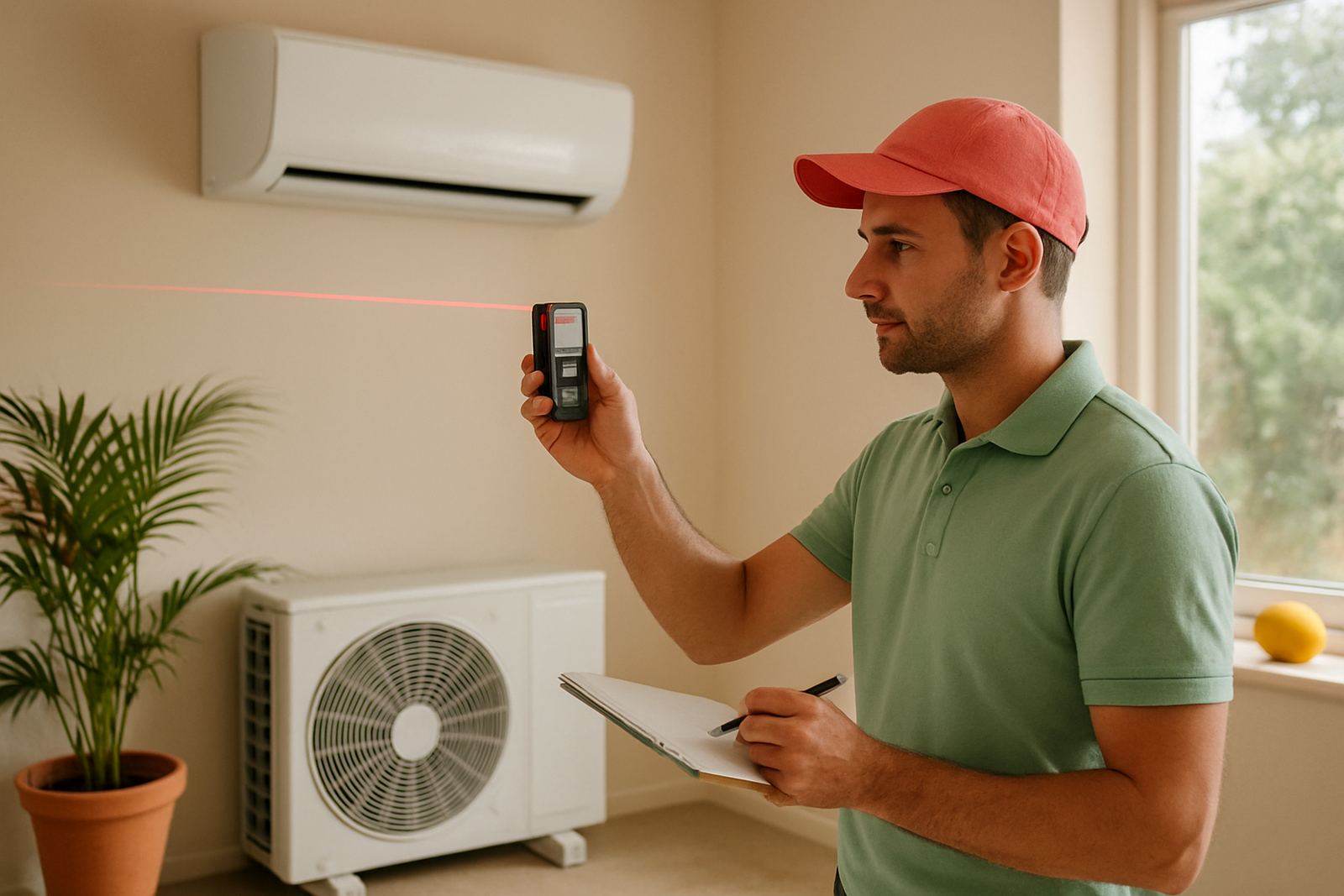
- Measure the room length and width in metres
- Note the ceiling height, especially if it is higher than standard
- Count windows and check where the sun hits during the day
- List the usual number of people in the room
- Write down any heat making equipment
- Check if the space is open plan or closed off
- Think about the room use on the hottest days, not the mild ones
As a rough guide, many smaller bedrooms and studies start around 9 000 to 12 000 BTU, while medium rooms often need 12 000 to 18 000 BTU. Larger living areas and busy offices may need more, but the right answer depends on the full load. If the room is open plan or has high ceilings, do not size it as if it were a small closed room, because that is where many problems begin.
Signs that a unit is too small or too large
A wrong size unit usually shows itself quickly. If you know the signs, you can avoid repeat callouts and unnecessary power use.
A unit that is too small may run all day, take too long to cool, and still leave the room warm in the late afternoon. You may hear it working hard, but the room never reaches a steady temperature. A unit that is too large can cool the air fast but leave the space damp and uneven, and the compressor may switch on and off too often.
- Too small: long running times, weak cooling, high electricity use
- Too large: short cycles, uneven comfort, damp feeling in the room
- Either problem: poor air distribution, noisy operation, unhappy people
In commercial spaces, the wrong size can also affect stock, staff comfort and customer experience. For example, a salon, office or small shop in Bellville may need different sizing from a quiet bedroom in Somerset West, even if the rooms are close in metres. That is why an on-site check is worth the time.
Special cases in Cape Town homes and offices
Some spaces need extra thought. A west facing room can pick up strong afternoon sun, and a room under a tin roof can heat up fast in summer. Ground floor rooms may stay cooler, while upper flats and offices can trap heat for hours after sunset. In parts of Milnerton and the CBD, glass frontages and constant foot traffic can push cooling needs higher than a simple calculator suggests.
For offices, the number of people matters more than most homeowners expect. Ten staff in one open room produce far more heat than two people in a bedroom. The same goes for boardrooms, reception areas and server cupboards. In homes, kitchens, loft rooms and converted garages also need special attention. If the space is used only at night, the cooling demand may be lower than for a room that must stay comfortable through the full day.
What to ask before you book an installation
If you are planning a new installation, a few clear details will help us guide you to the right size and reduce avoidable site visits. Keep the room measurements ready and note anything unusual about the space.
- What is the room size in metres
- How many people use it on a normal day
- Does it get direct sun in summer
- Are there large windows or sliding doors
- Is there enough wall space for indoor and outdoor units
- Do you need help with power points, drainage or a long pipe run
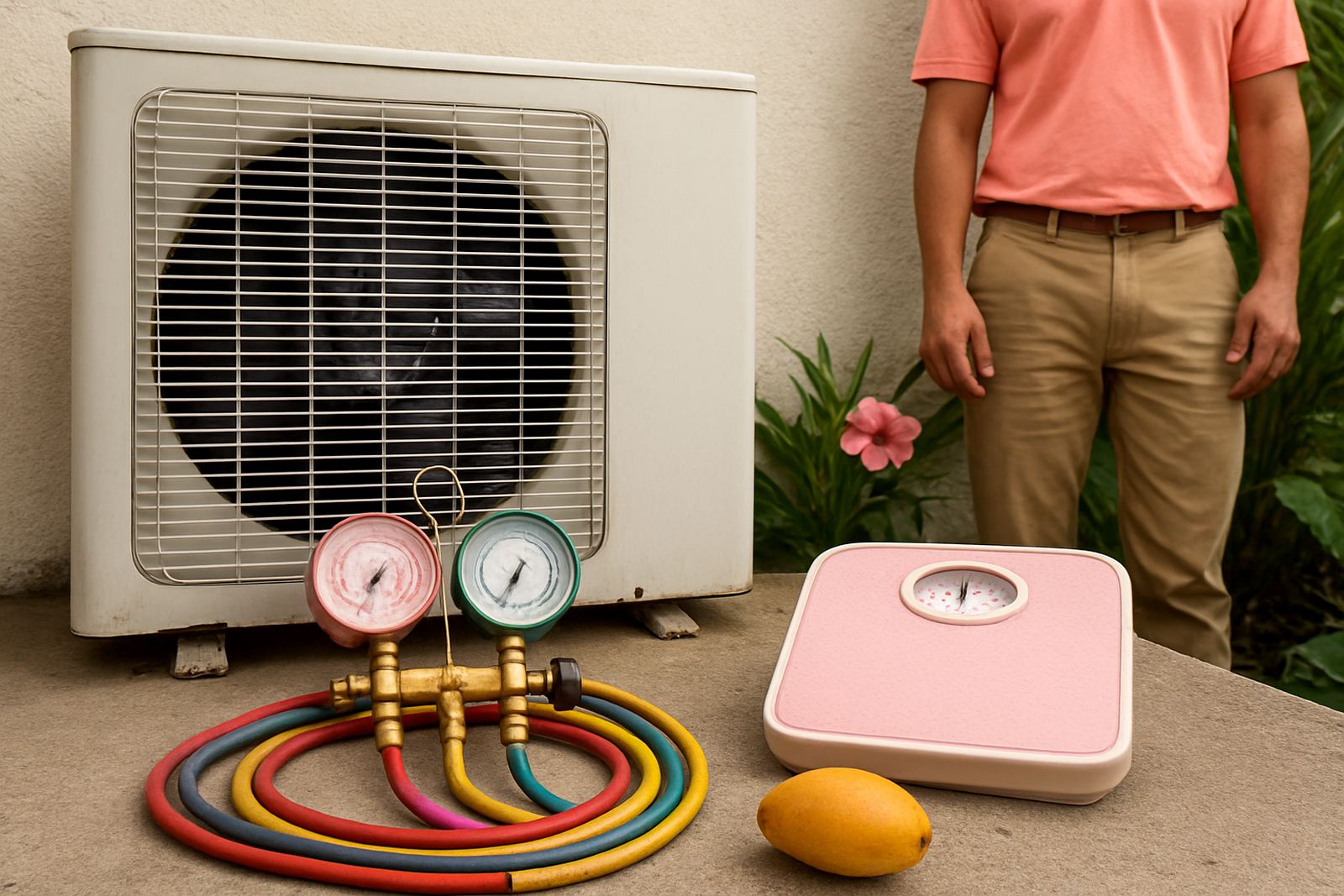
If you already have a unit and it is not coping, a service check can show whether the issue is size, low gas, blocked filters or a fault in another part. Sometimes the answer is a simple repair, not a replacement. That saves money and keeps the room comfortable without overspending on capacity you do not need.
A practical rule for better results
The best size is the one that suits the room as it is used, not just as it measures on a tape. A shaded bedroom with one person is very different from a sunny living area packed with family, or a busy office with computers and people moving in and out. Take the measurements, add the real heat load, and choose the unit around that, not the other way round.
At Tropical Refrigeration, we work across Cape Town from our Montague Gardens base, including the CBD, Milnerton, Bellville, Claremont, Somerset West and Fish Hoek. If you need help sizing an aircon for a home or office, bookings@tropicalrefrigeration.co.za is the easiest way to start.