Start with the monthly basics
In Cape Town, dust, salt air and load-shedding can all put extra strain on an aircon. A simple monthly check takes only a few minutes and can prevent poor cooling, water drips and avoidable callouts later on.
Before you touch the unit, switch it off at the isolator or breaker. Wait for the fan to stop fully then check the indoor unit, the remote batteries and the air return area around the room. If the system has been off for a while, put it on fan mode for a short spell first so you can see whether there is any strange smell, rattling or weak airflow.
- Wipe dust off the front cover with a dry cloth
- Look for blocked vents, curtains or furniture close to the unit
- Check that the drain pipe outside is not bent, blocked or leaking
- Make sure the remote has working batteries and the set temp is sensible
Keep filters clean for better airflow
Dirty filters are one of the main reasons an aircon starts working harder than it should. When airflow drops, cooling becomes patchy and the unit may run longer to reach the same temperature. That means higher electricity use and more wear on the system.
Most wall mounted units have washable filters behind the front panel. Take them out carefully, tap off loose dust and wash them in lukewarm water if the manual allows it. Let them dry fully before putting them back, because damp filters can cause a musty smell. If a filter is torn, warped or coated in sticky grime, it should be replaced instead of washed again.
- Clean filters every 2 to 4 weeks in dusty areas
- Check more often if windows are open during the day
- Do not run the unit with filters left out
- Let filters dry in the shade, not direct sun
If you manage a small office in Bellville or the CBD, assign one person to note filter cleaning dates. A simple log helps keep the whole place on track and stops small issues from being missed.
Look after the outdoor unit and drain line
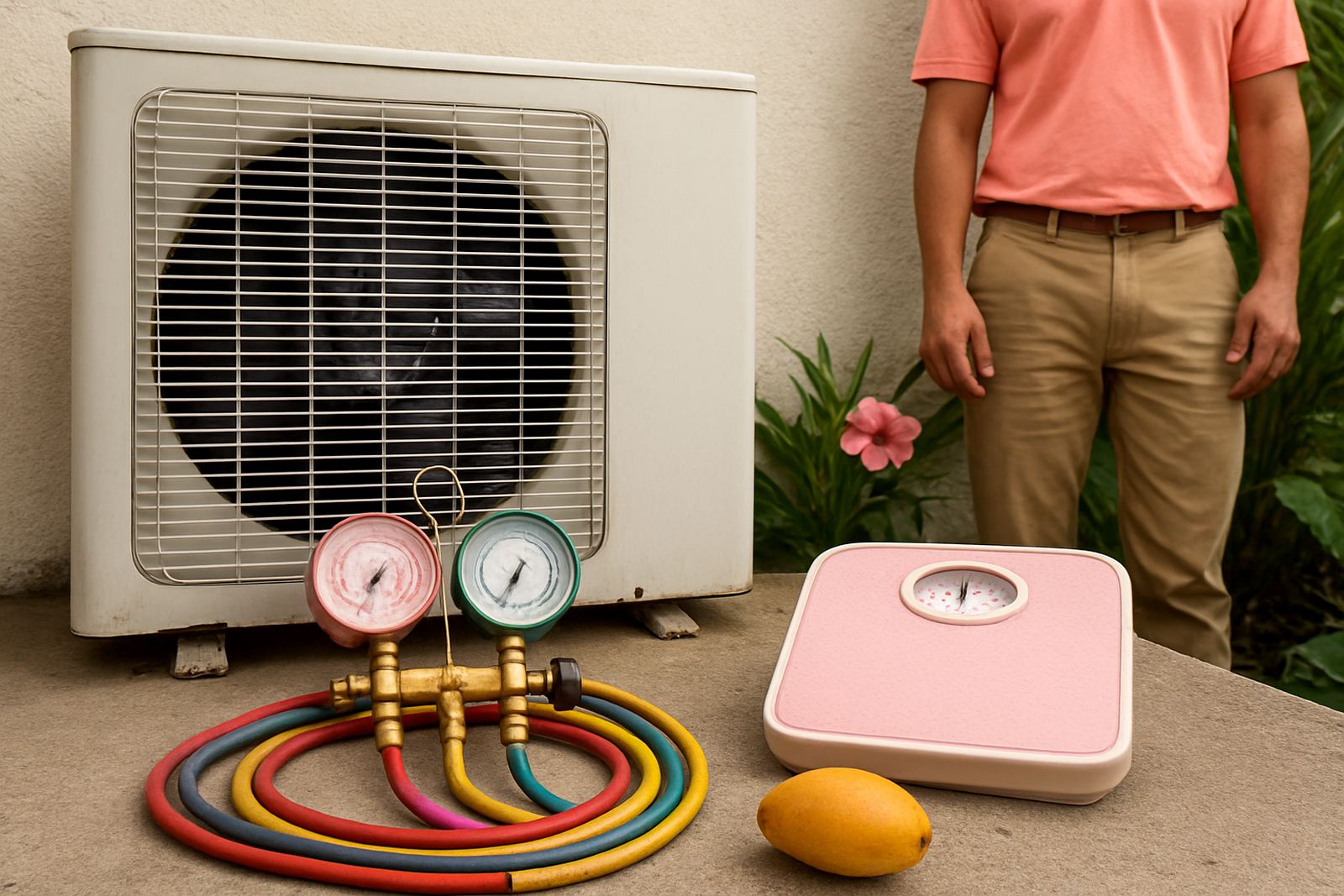
The outdoor section works hard in summer heat, coastal moisture and wind-blown sand. Keep at least 60 cm of clear space around it so air can move freely. If leaves, plastic bags or garden cuttings build up around the coil, the unit will struggle to release heat.
Check that the brackets are firm and the unit is not vibrating against the wall. On the Cape Peninsula, salty air can speed up corrosion on exposed fittings, so a quick visual check matters. If you notice rust, loose insulation or cracking on the pipework, arrange a service before the problem grows.
The drain line should let water run away from the unit without backing up. A blocked drain often shows up as a drip inside the room or water marks on the wall. In some cases the line only needs to be cleared, but repeated blockage can point to poor slope or dirt build-up inside the tray.
- Clear weeds, dust and rubbish from around the outdoor unit
- Check for noise, excessive vibration or a loose cover
- Watch for water pooling under the indoor unit
- After storms, inspect the pipe insulation for damage
Use the right settings for Cape Town weather
Good aircon care is not only about cleaning. How you use the unit also changes how long it will last. In hot weather, set the temperature to a steady level instead of turning it very low. A room cools faster when doors and windows are shut and blinds are drawn before the unit starts.
If your home or office loses power often, switch the system off at the remote before load-shedding starts and give it a few minutes after power returns before restarting. This helps protect the compressor and gives the system time to stabilise. Also avoid switching between heat and cool too quickly unless the unit is designed for that use.
For commercial spaces in Somerset West, Claremont or Milnerton, check whether the unit is fighting against open doors, glass heat gain or too many people in one room. Sometimes the unit is blamed when the real issue is poor room control.
- Close doors and windows before switching on
- Use blinds or curtains in direct sun
- Keep the set point steady, not constantly changed
- Switch off the unit when the room is empty for long periods
Spot early warning signs before they become repairs
Most aircon faults give a few warning signs before they fail completely. Catching these early can save the cost of a bigger repair, especially during summer when technicians are busy and callouts increase.
Pay attention if the unit is blowing warm air, cycling on and off too often, tripping the power, or making a new buzzing or clicking sound. Ice on the indoor coil, a bad smell at switch-on, or a sudden spike in electricity use also deserves attention. Do not keep resetting the unit and hoping it will sort itself out, because that can make a small fault worse.
For offices and shops, ask staff to report these signs straight away. A unit that seems only a bit weaker on Monday can be completely down by Friday if it is left alone.
- Weak airflow from the grille
- Water dripping from the indoor unit
- Burning smell or unusual odour
- Outdoor unit running loud or stopping early
- Room cooling unevenly from one side to the other
When to book Tropical Refrigeration for service
Even with good day to day care, an aircon still needs professional attention. We recommend a proper service at least once a year for homes, and more often for offices, retail spaces and rooms that run daily. Coastal suburbs, high use areas and dusty sites may need earlier checks.
Our Montague Gardens team services Cape Town CBD, Milnerton, Bellville, Claremont, Somerset West and Fish Hoek, with installation, repairs, gas refill work, leak detection and maintenance for both home and office systems. If the unit is old, noisy or no longer keeping up, it may need a targeted repair rather than another quick top-up. That is the point where a technician can check pressures, clean internal parts, test controls and confirm whether a refill, component replacement or full repair is the right fix.
Send your booking details to bookings@tropicalrefrigeration.co.za and include the suburb, unit type and the fault if you know it. If water is leaking or the unit has stopped cooling altogether, say so clearly so the team can plan the visit properly.
- Book before peak summer if possible
- Keep a note of model number and fault symptoms
- Ask for service if the unit has not been checked in 12 months
- Do not keep using a unit with burning smell or repeated tripping
Good care is simple: keep it clean, keep it clear and act early when something changes. That approach saves time, money and a lot of discomfort when Cape Town heat sets in.