What a window unit is and how it works
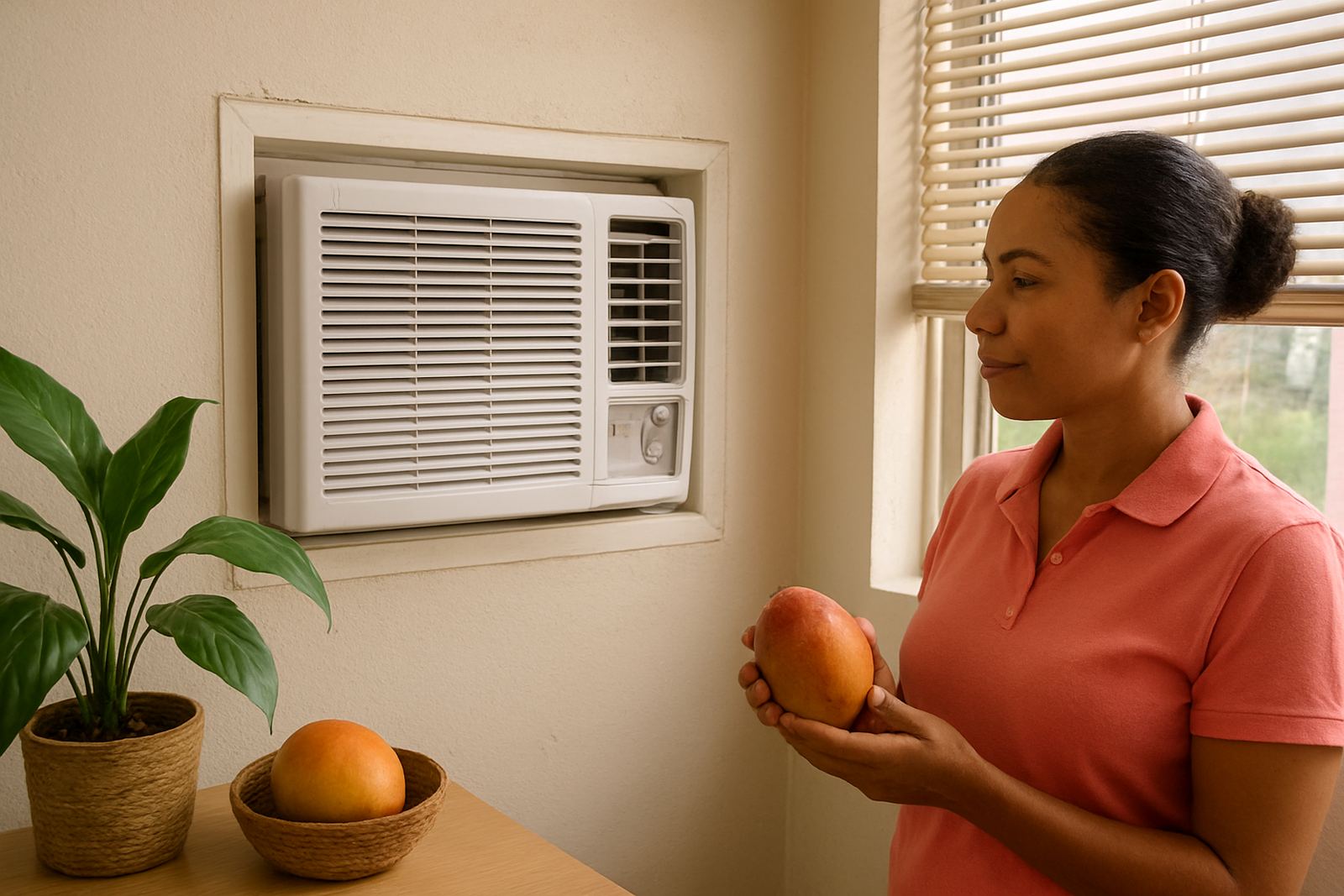
A window aircon is a single unit that sits through a wall opening or in a purpose-made window frame. The compressor, evaporator, condenser and fan are all housed together, so there is no separate indoor and outdoor unit to mount. That makes it a practical choice for older homes, small offices, guard rooms, shops and rental units where a simple self-contained cooler is needed.
These units pull warm air from the room, pass it over the cooling coil, and push cooled air back inside while heat is expelled to the outside. Because everything is contained in one casing, installation can be quicker than a split system, and maintenance is usually straightforward. You do still need a proper opening, a level fit and enough electrical capacity, otherwise the unit will struggle or trip during hot Cape Town afternoons.
Typical sizes, cooling output and options
Window units are generally chosen by cooling capacity, measured in BTU or kilowatts. The right size depends on the room volume, sun exposure, number of people inside and whether the room has a lot of glass. A unit that is too small will run constantly and still not cool properly. One that is too big can short cycle and leave the room damp and uncomfortable.
Common options include manual controls, thermostat control, adjustable fan speeds and different airflow louvers. Some units are designed for cooling only, while others include a heating function for winter mornings in places like Bellville, Durbanville and Somerset West. If the room has coastal humidity or heavy afternoon sun, ask for a model with a stronger fan and suitable corrosion protection on the casing and fins.
- Small rooms: about 5 000 to 9 000 BTU for a bedroom or compact office
- Medium rooms: about 10 000 to 14 000 BTU for an open office, salon or lounge
- Larger rooms: about 15 000 BTU and above where the opening and power supply allow it
- Extras: timer, remote control, auto restart after load-shedding, washable filter
Where window units suit best in Cape Town
Window units work well where wall space is limited or where you want a cooler without running refrigerant pipes through the building. They are often used in flatlets, security offices, backyard rooms, site cabins and small business premises. In Cape Town CBD and Milnerton, they are handy for compact offices with a single hot side of the building. In Fish Hoek or other coastal areas, they can suit homes where airflow is good and the room is not oversized.
They are also useful when a landlord wants a solution that can be removed later. That said, you need to check whether the wall or window frame can carry the weight and whether the unit will drip condensate safely without affecting neighbours or paving. If the room is exposed to direct sun, has poor insulation or is used by many people at once, we may suggest a different size or another type of cooling. A quick site check saves money and avoids call backs.
- Bedrooms and small lounges
- Back offices and reception areas
- Temporary offices and site cabins
- Shops, guard rooms and rental units
Installation, mounting and power requirements
Installation starts with measuring the opening, checking the wall thickness, and confirming that the unit can sit level with good support. A window aircon must be installed so the rear section vents heat properly outside. If it is tilted the wrong way, you can get water leaking back inside or poor cooling performance. We also check for safe access, especially where the unit is above a walkway or over electrical equipment.
Most units need a dedicated power point and the correct breaker size. Depending on the capacity, the starting current can be higher than many people expect, so the circuit should be checked before switching on. During load-shedding, a window unit will only run when supply is restored unless it is backed by a suitable power system. We can advise on the electrical load, cable condition and whether the installation needs a new isolator or a stronger circuit. In older buildings, this is not something to guess at.
Gas is sealed inside the unit at manufacture, so there is no regular gas refill unless there is a leak or a repair has been done. If a unit needs repeated topping up, the leak must be found and fixed properly. Otherwise you are just paying for the same problem twice.
Care, cleaning and servicing intervals
Window units need routine attention to keep air moving and to avoid strain on the compressor. The filter should be cleaned regularly, especially in dusty areas near main roads, workshops or construction sites. In summer, when the unit runs daily, we recommend a service before the hottest months and another check if performance drops. Salt air near the coast can also corrode the fins and fasteners, so it helps to inspect the casing for rust and the drain path for blockage.
Our service work includes filter cleaning, coil inspection, airflow checks, electrical testing, thermostat checks and leak detection where cooling is low. If the unit is noisy, vibrating, or dripping water inside, it should be looked at before a small fault turns into compressor damage. One little blockage can make the whole unit work harder than needed.
- Clean the filter every 2 to 4 weeks in regular use
- Keep curtains, furniture and packing clear of the airflow
- Check that the drain path is open and water can leave safely
- Book a service before peak summer if the unit runs most days
What to check before you order
Before ordering, measure the opening carefully and note the wall or window thickness. Check the room size in square metres, how many people use it, whether the room gets afternoon sun, and whether there are computers or heat-producing appliances inside. If the room has poor sealing, you may need a larger unit than expected. If the building has old wiring, tell us early so we can assess the supply and avoid surprises on installation day.
You should also think about noise, drainage and access for servicing. Some rooms can take a window unit easily, while others need a bracket or frame made up to suit the opening. If the space is in a body corporate building or rental property, ask about any rules on external appearance and water discharge. Send photos, room measurements and the address, and we can work out the right option for Cape Town conditions rather than guessing from a brochure.
Window unit supply and support from Montague Gardens
Tropical Refrigeration has been serving Cape Town since 2013, with a Montague Gardens base supporting homes and offices from the CBD to Somerset West. We handle aircon installation, repairs, gas leak checks and servicing, and we also work on refrigeration equipment when a property needs more than just cooling in one room. If your window unit is already in place and not performing well, we can inspect the fault, advise on repair or replacement, and keep the job practical and cost aware.
For enquiries, send your room size, photos of the opening and the suburb, and we will advise on the most suitable window unit or service visit. Our team includes installation, operations and customer care staff, so booking and after-sales support are kept simple, even when the summer rush gets busy.
Key facts
| Cooling type | Self-contained window or through-wall air conditioner |
|---|---|
| Common capacity range | About 5 000 to 18 000+ BTU, depending on room size |
| Power requirement | 220 to 240 V single phase, circuit to be checked before install |
| Installation method | Mounted in a window opening or purpose-made wall aperture |
| Maintenance | Washable filter, coil cleaning, drainage check and electrical inspection |
| Best use | Bedrooms, small offices, flatlets, guard rooms and compact retail spaces |