What a split aircon is and how it works
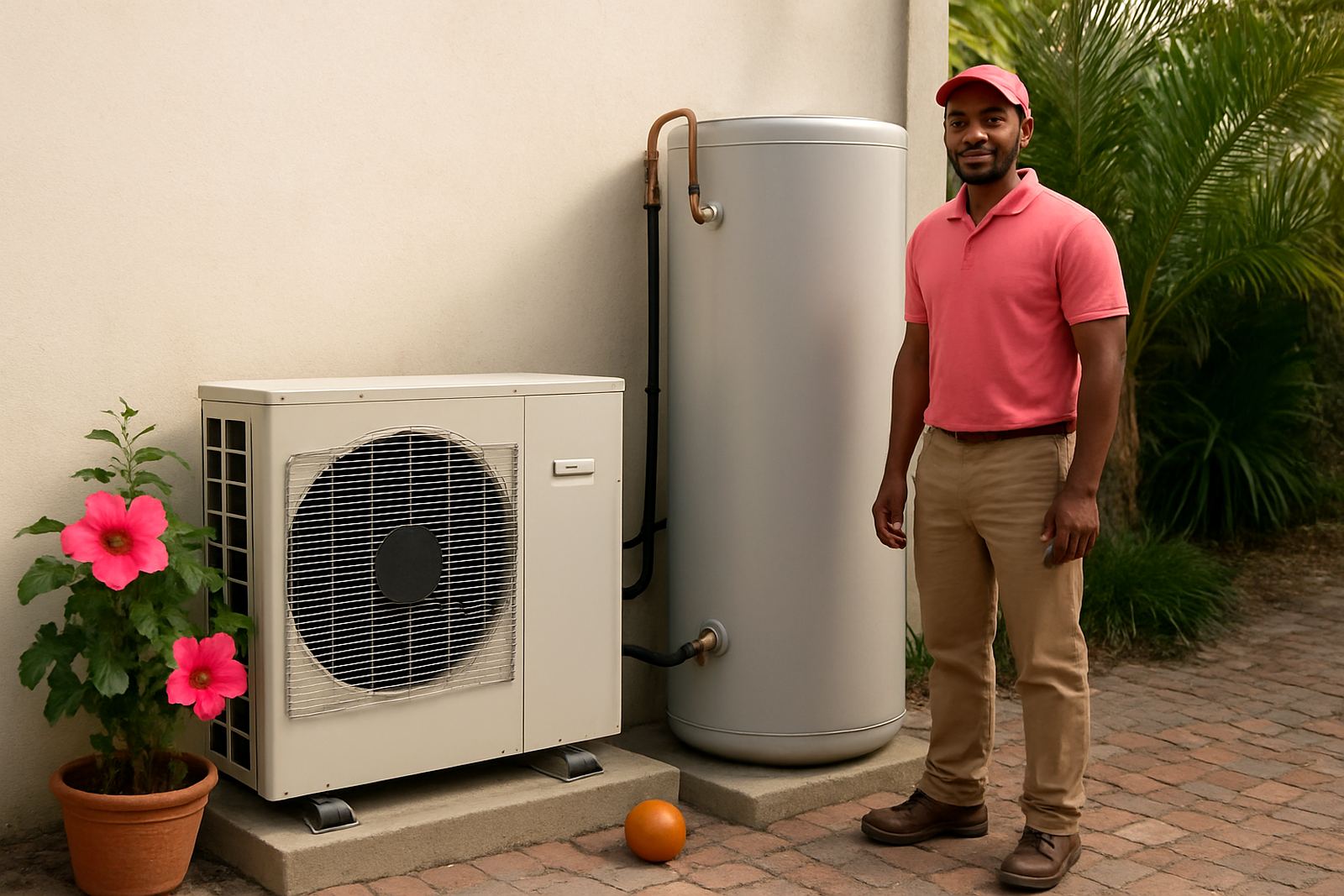
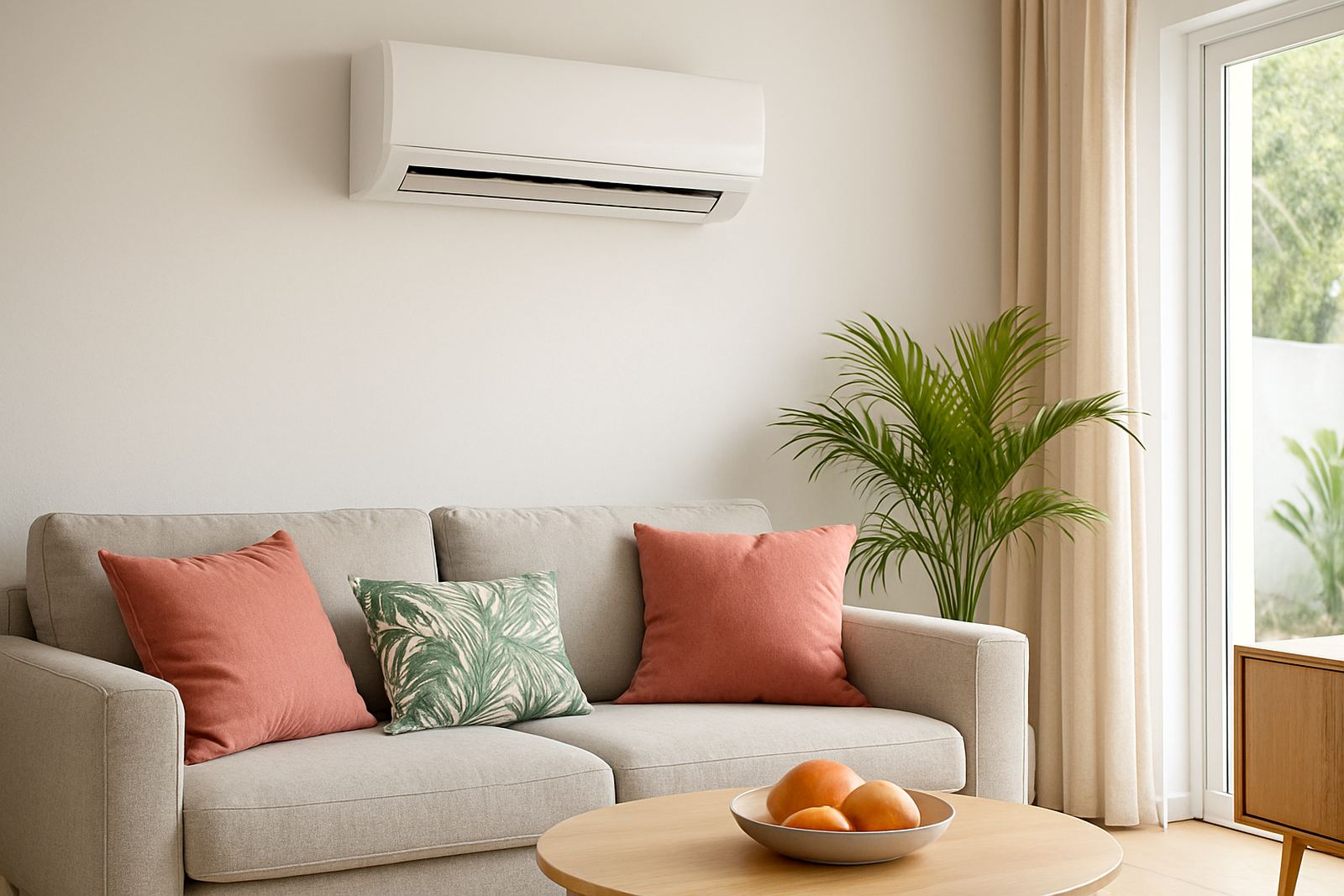
A split aircon has two main parts: an indoor wall unit and an outdoor condenser. The two are linked by insulated copper pipework, cabling and a drain line. The indoor unit moves cooled or heated air into the room, while the outdoor unit does the work of releasing heat outside. That separate layout is why split systems are so common in homes, flats, garden cottages and small offices.
For Cape Town conditions, a split unit is often a better fit than a window unit or a portable unit. It is quieter in the room, does not block a window, and can handle regular use through summer heat, winter damp and those in between days when a room swings from cold to hot. If the system is sized correctly, it can keep one room comfortable without running flat out all day.
- Indoor wall-mounted unit for the room
- Outdoor unit fixed on a wall bracket or base
- Pipe set, electrical supply and drain pipe
- Remote control or wall controller depending on model
Sizes and options for homes, offices and small shops
Split aircons are sold in different cooling capacities, usually measured in BTU or kilowatts. A small bedroom may only need a compact unit, while a larger lounge, meeting room or open-plan office needs more capacity and better air throw. Choosing too small a system means it will struggle on hot days. Too large and it can cycle too often, which is not ideal for comfort or running costs.
Common options include standard cooling only units, reverse-cycle units that also heat, and inverter models that adjust output as the room reaches temperature. Inverter systems are useful where the aircon runs for many hours, such as home offices, consulting rooms and retail spaces. If you are in a coastal area like Fish Hoek or a damp inland pocket, ask about corrosion protection on the outdoor unit and brackets.
- Small rooms: bedrooms, studies and compact treatment rooms
- Medium rooms: lounges, open-plan living areas and offices
- Larger spaces: boardrooms, reception areas and small shops
- Options: cooling only, heating and cooling, inverter or fixed speed
Where a split system suits best
Split aircons are used in many everyday spaces because they are neat, predictable and easy to live with. In homes they work well in bedrooms, TV rooms and family lounges. In offices they suit private rooms, call areas and small meeting spaces where people need a steady temperature through the day. They are also a practical choice for short-term rental units and backyard flats where floor space matters.
We often recommend split units for Cape Town properties with limited roof space or where the owner wants a straightforward installation without major building work. In older homes in Claremont or the CBD, the route for the pipework and the position of the outdoor unit must be planned carefully so the installation looks tidy and does not upset building rules or neighbours.
- Bedrooms and family lounges
- Home offices and consulting rooms
- Small retail spaces and reception areas
- Flatlets and rental units
Installation, power supply and gas checks
A proper split aircon installation starts with a site check. We look at room size, wall strength, sun load, window area and where the outdoor unit can sit without blocking access or causing nuisance noise. The electrical supply must be suitable for the unit size, and the circuit should be protected correctly. On some older properties, an upgraded point or dedicated circuit is needed.
The gas side of the system is sealed and must be handled by a qualified technician. Good installation means a pressure test, vacuum evacuation, correct gas charge and leak-free pipe joints. That matters in Cape Town where salty air can punish poor fittings, and where a small leak can become a bigger call-out later. Drainage also needs care, because a blocked drain line can stain walls and create damp patches.
- Check wall position and outdoor unit location first
- Confirm the electrical load and isolator needs
- Pressure test and vacuum the pipework before gas charging
- Make sure condensate water drains away properly
What to check before you place an order
Before ordering a split aircon, it helps to have a few details ready. Room size is the first one, but not the only one. Ceiling height, sun exposure, number of windows, occupancy and whether the room is used day and night all affect the size you need. A north-facing lounge in Somerset West will need a different answer to a shaded bedroom in Milnerton.
It is also worth checking where the outdoor unit can be fitted, whether there is safe access for installation, and whether the property body corporate or landlord has rules about visible units and drain outlets. If the space already has an old aircon, tell us what is there, because replacing a unit may be simpler than starting from scratch.
- Room size in metres and ceiling height
- Sun exposure and number of windows
- Power point location and breaker capacity
- Outdoor mounting space and access for piping
Servicing, repairs and gas refills after installation
A split aircon needs regular care to keep it running properly. Filters should be cleaned, coils checked and drainage inspected. In Cape Town, dust, coastal moisture and winter use can all affect performance. If the unit starts blowing weak air, making unusual noise or tripping the breaker, it should be checked before the fault gets worse.
We handle aircon service, repairs, leak detection and gas refills across Cape Town and the peninsula. If a unit has lost gas, there is usually a leak somewhere that must be found and fixed first. Simply topping up gas without finding the cause is short term thinking and often leads to repeat breakdowns. For homes and small offices, planned servicing once or twice a year can save money and keep the system ready for summer.
- Clean filters and indoor coils
- Check refrigerant pressure and for leaks
- Inspect fan motors, thermostats and drainage
- Keep the outdoor unit clear of leaves, salt build-up and debris
Key facts
| Type | Wall-mounted split system with indoor and outdoor units |
|---|---|
| Typical capacity range | 9 000 to 24 000 BTU, depending on room size |
| Applications | Bedrooms, lounges, offices, small shops and flatlets |
| Power | Usually requires a suitable mains supply and isolator |
| Refrigerant | Sealed gas circuit requiring leak testing and correct charge |
| Service area | Cape Town CBD, Milnerton, Bellville, Claremont, Somerset West and Fish Hoek |