What a freezer room does in day to day operations
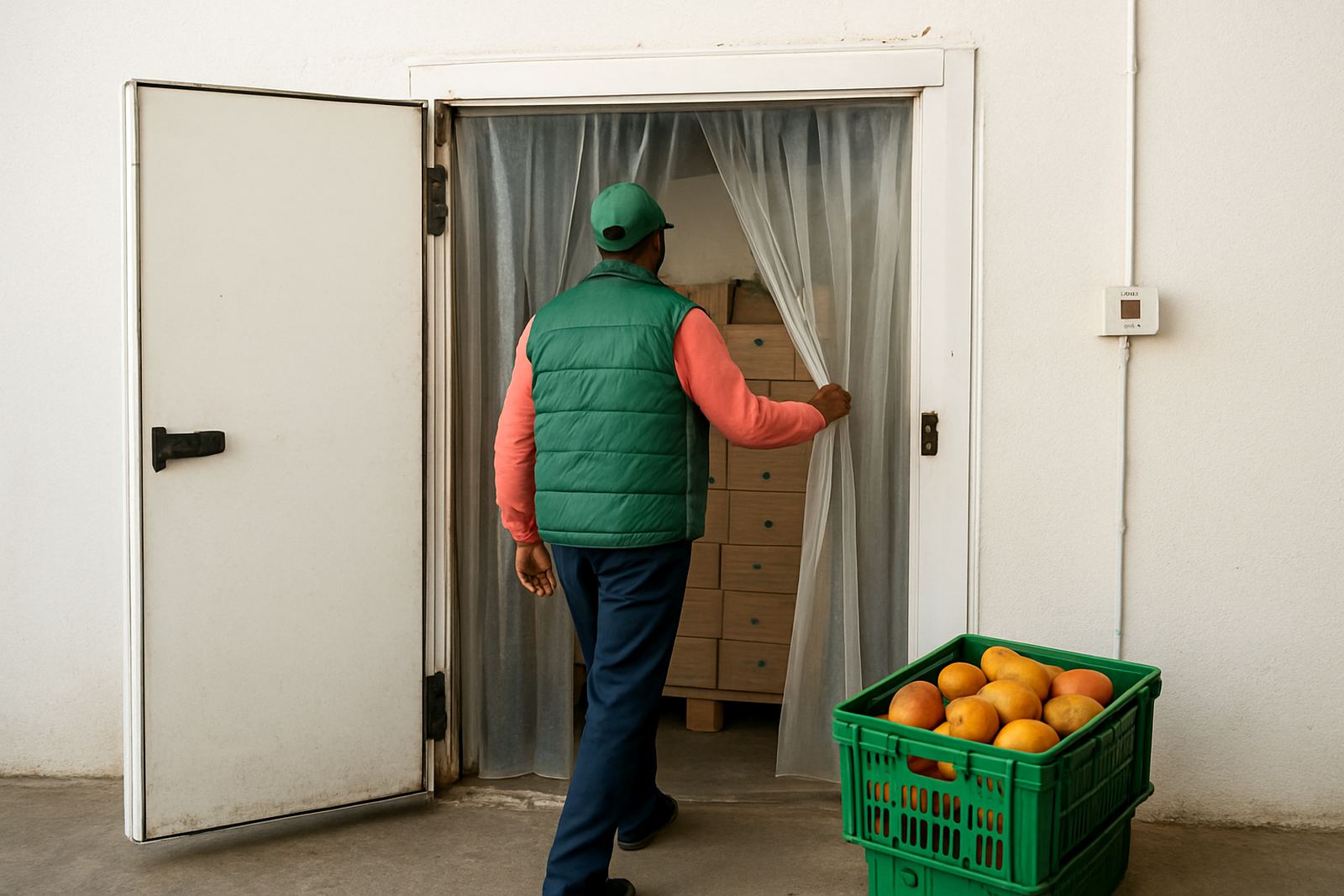
A freezer room is a insulated storage space with a refrigeration system sized to hold stock at low temperature, usually around -18°C for frozen food. It is used where chest freezers or upright freezers are not enough, or where stock needs to be kept in one controlled room for easy access, stock rotation and regular loading.
In Cape Town, freezer rooms are common in restaurants, butchery stores, small factories, takeaway kitchens, fish handling areas and wholesale operations. They help keep product stable during hot summer spells and during load-shedding if the system is backed by the right power plan. For businesses near the coast, good door seals and corrosion resistance matter as much as the cooling capacity.
Sizes, layout options and temperature control
Freezer rooms can be set up as compact store rooms or larger walk-in areas depending on the floor space and stock volume. Common room sizes start from about 1.5 m x 1.5 m for small operations and can scale up to 6 m x 4 m or more for higher turnover sites. The internal height, door position and shelving all affect how well the room works in daily use.
Temperature control is usually set with a digital thermostat and defrost cycle, with alarms optional for temperature drift. The room can be fitted with shelving, hanging rails or open floor space depending on what you store. For some sites, a split layout with a prep side and a deeper freeze side makes stock handling easier.
- Compact rooms for cafés, small retailers and takeaway kitchens
- Medium rooms for butcheries, bakeries and guest house stores
- Larger rooms for wholesale, fishing and light manufacturing sites
- Custom door swing, sliding doors or personnel access doors
Where freezer rooms suit best in Cape Town
Freezer rooms suit businesses that need predictable cold storage rather than just short-term freezing. They are practical for food stores in Cape Town CBD, Milnerton, Bellville and Claremont, and also for operations in Somerset West and Fish Hoek where stock needs to stay frozen through busy trading periods.
They are especially useful when your business works with bulk stock, frequent deliveries, or items that cannot thaw and refreeze. In humid coastal areas, the installation must be done carefully so moisture does not build up around the panels, floor edges or door frame. That is where site prep and correct sealing make a real difference.
- Restaurants, catering kitchens and takeaway shops
- Butcheries, fish handlers and frozen food stores
- Convenience stores and small supermarkets
- Hospitals, labs and specialist storage areas where cold holding is needed
Installation, power needs and gas checks
A proper freezer room installation starts with the room size, insulation thickness, ventilation and the cooling load. The compressor and evaporator must be matched to the room volume, how often the door opens, and how much warm stock goes in each day. If the system is undersized, it will run too long and wear out sooner.
Power planning is important in South Africa because freezer rooms must recover quickly after outages. Depending on the site, we can advise on dedicated circuits, backup power compatibility and safe start-up after load-shedding. Gas levels, pipe length and airflow also need to be checked so the system does not lose efficiency.
- Correct panel thickness for the target temperature
- Drainage and floor sealing to limit ice and water issues
- Electrical supply that suits the compressor starting load
- Refrigerant charge checked after installation and during service
Care, servicing and fault finding
Freezer rooms need routine attention if you want them to hold temperature without surprises. Door seals should be checked for gaps, the evaporator fan should move air freely, and frost build-up must be managed before it blocks airflow. Dirty condenser coils, weak gas charge or faulty sensors can all cause the room to drift warmer than it should.
We handle freezer room repairs, compressor replacement, thermostat replacement and leak detection for commercial sites. If the room is running non-stop, icing up, or the temperature is creeping up, it is better to inspect it early before stock losses start. A quick service now is usually cheaper than a full stock write-off later. No business wants that on a Monday morning.
- Check door seals and hinges weekly
- Clean coils and keep the plant area free of dust
- Watch for unusual noise, icing or long running cycles
- Log temperatures daily for stock control and compliance
What to check before you order a freezer room
Before placing an order, measure the available space carefully and note any access issues for delivery and assembly. Check whether the floor is level, whether there is room for the condenser unit, and whether staff can move stock in and out without blocking other work areas. If the room is going into an existing kitchen or store, clear measurements matter more than estimates.
You should also confirm the type of stock, the required temperature range and how much stock will enter the room at one time. That information helps size the system correctly and avoid later changes. If you are near the coast, ask about corrosion protection and easy-to-clean finishes, since salt air can shorten the life of exposed parts.
- Room length, width and height
- Door opening size and traffic flow
- Required temperature and daily stock volume
- Power source, backup plan and service access
Key facts
| Typical temperature range | -18°C to -25°C, depending on stock and room size |
|---|---|
| Common room sizes | From 1.5 m x 1.5 m up to custom rooms for larger sites |
| Insulation | High-density insulated panels with sealed joints |
| Door options | Swing door, sliding door or personnel access door |
| Control system | Digital thermostat with defrost function and optional alarm |
| Service support | Installation, repairs, gas refill, leak detection and compressor work |