What a refrigerated prep counter does in a working kitchen
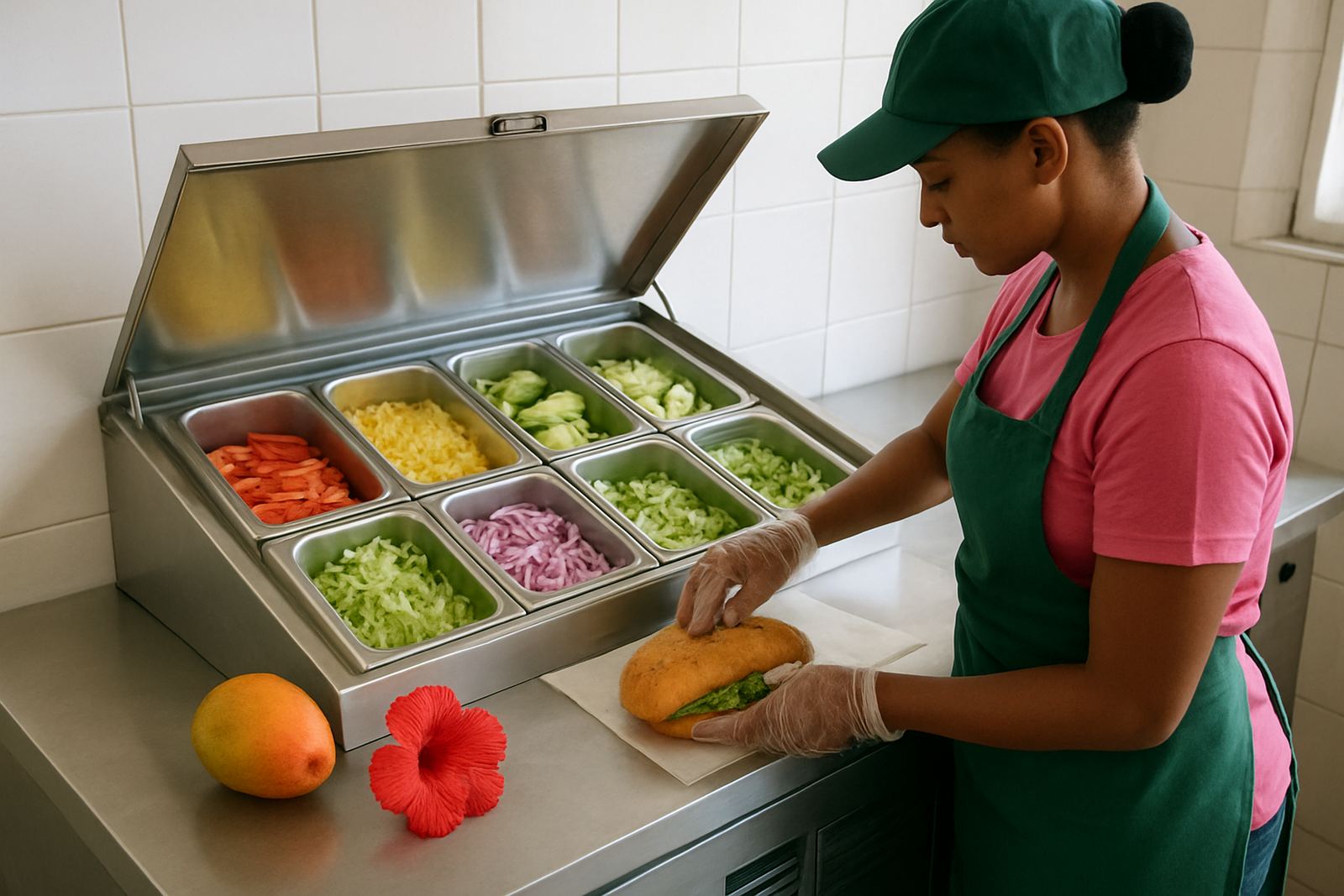
A prep counter is built for kitchens that need ingredients close at hand and kept at safe serving temperature. The top gives staff a clean place to assemble wraps, sandwiches, salads, pizzas or plated orders, while the lower cabinet keeps pans and tubs chilled underneath. In a Cape Town rush, that saves walking time and helps keep the pass tidy.
These units are common in cafés, takeaways, bakeries, school canteens and smaller restaurants where floor space is tight. Instead of a separate fridge and work table, you get one unit that does both jobs. For kitchens dealing with load-shedding, door openings and warm coastal air, that matters because the cabinet has less temperature swing when it is sized and installed correctly.
- Combines prep surface and cold storage in one footprint
- Suitable for ingredients that need quick access during service
- Helps keep chilled items organised by pan layout and menu type
- Available in stainless steel finishes for easier cleaning
Sizes and layout options for Cape Town kitchens
Prep counters come in a range of lengths, usually from about 1.2 m to 2.4 m, with single, double or triple-door storage sections. Popular widths are around 700 mm to 800 mm, which gives enough top space for daily prep without overcrowding the kitchen. Deeper units are useful where pans, lids and utensils need a bit more room.
Many models are set up for GN pans on top, so you can choose the pan mix that fits your menu. Some kitchens prefer a flat solid top with a separate prep board, while others want a raised pan rail and ingredient area. If you run a compact kitchen in the Cape Town CBD or Milnerton, a shorter unit with castors may suit you better. For busier sites in Bellville or Somerset West, longer runs with extra doors often work better.
- Length options for compact or high-volume kitchens
- GN pan top layouts for sandwich, pizza or salad service
- Solid-top and pan-rail combinations available
- Castors or fixed feet depending on the site and cleaning routine
When ordering, measure the full route into the kitchen as well, not only the final position. A unit can be the right size on paper but still not fit through a narrow doorway, a fire escape passage or a tight back corridor. That kind of detail causes delays, so it is worth checking early.
Where prep counters fit best in Cape kitchens
Prep counters suit kitchens that need fast handover between storage and service. They are a good fit for burger kitchens, delis, cafés, takeaway counters, hotel breakfast stations, and food production areas with repeat menu items. In Fish Hoek or along the peninsula, they are also handy where kitchen space is limited and staff need to work cleanly in a humid environment.
Because ingredients are stored directly under the working area, staff spend less time opening separate fridges and more time on production. That is useful during lunch trade, school runs and weekend peaks. A well placed prep counter can also reduce traffic around the pass, which helps with hygiene and speed.
- Cafés and coffee shops
- Takeaways and quick service kitchens
- Pizza, sandwich and salad stations
- Small hotels, guest houses and canteens
If your kitchen already struggles with heat from ovens, dishwashers or poor airflow, a prep counter should not be placed too close to those sources. Heat build-up shortens cooling performance and can push up electricity use. Leave enough breathing room around the compressor side and around the rear panel, that makes a real difference.
Power, ventilation and site checks before installation
Most prep counters run on standard single-phase power, but the exact electrical load depends on the size and compressor setup. The unit needs a stable supply, a proper socket and enough clearance for air movement. In many Cape Town kitchens a dedicated point is best, because shared circuits can trip when other appliances start up at the same time.
We also check whether the site floor is level and whether the unit will sit in a dry, well ventilated position. Near the coast, salt air and humidity can work harder on the condenser and metal fittings, so regular cleaning matters. If the kitchen is in a municipality-controlled building or shared complex, it may also need to suit existing drainage and service access rules.
- Confirm the power point location before delivery
- Allow ventilation space around the compressor side and rear
- Keep the unit level so doors seal properly
- Check access for cleaning, maintenance and future repairs
For some sites, a prep counter can be moved on castors for cleaning, but the final position still needs to be stable. If the unit is going into a tight kitchen on the upper floor, it helps to know the route, lift size and turning space in advance. That avoids damage and saves time on the day.
Cleaning and servicing that keep temperatures steady
These units work better when cleaned often and serviced before small faults become big ones. Wipe spills straight away, clean the door seals, and clear crumbs or moisture from the corners where pans sit. A blocked fan or dirty condenser can make the cabinet run warm, especially in summer or during long trading hours.
On busy sites we recommend regular checks of the thermostat, door alignment, fan operation and compressor performance. If you notice frosting, uneven cooling or a motor running longer than normal, it should be looked at early. A gas leak or weak compressor can seem minor at first but it usually becomes a food safety issue if ignored.
- Clean door seals and pan rails daily
- Check temperature holding during peak trading hours
- Keep the condenser and airflow paths free of dust
- Book service before the unit starts cycling badly
Tropical Refrigeration handles aircon and refrigeration repairs across Cape Town, so we know how local power cuts, hot kitchens and coastal moisture affect equipment. Our team can assist with leak detection, gas refill work, compressor replacement and thermostat faults if the prep counter starts underperforming.
What to confirm before you place an order
Before you order a prep counter, check the menu flow, the number of pans you need, and the amount of chilled stock you want beneath the top. If the unit is too small, staff end up overfilling it and the lid or door seals do not work as they should. If it is too large, you pay for space and running cost you may not need.
Also confirm whether you need a flat work surface, a pan rail, sliding lids or a full overnight hold. Ask about the temperature range, insulation thickness, stainless grade, and whether the cabinet includes castors or feet. If the kitchen has frequent load-shedding, it is worth planning how long the unit must recover once power returns.
- Measure the available floor space and doorway access
- Count the pans and ingredients used during a normal service
- Confirm electrical supply and socket position
- Ask for service access and cleaning clearance
If you are fitting out a new kitchen or replacing an old unit, we can help you match the prep counter to the space, the menu and the daily workload. A good choice should make service easier from day one, not create extra handling or temperature problems later.
Key facts
| Product type | Refrigerated prep counter with work surface and undercounter cold storage |
|---|---|
| Common sizes | About 1.2 m, 1.5 m, 1.8 m and 2.4 m lengths |
| Typical width | About 700 mm to 800 mm |
| Power | Usually single-phase, final load depends on size and compressor |
| Temperature range | Chilled holding for ingredient storage, model dependent |
| Use cases | Cafés, takeaways, sandwich bars, pizza kitchens, canteens and small restaurants |