What a cake display unit does in daily trade
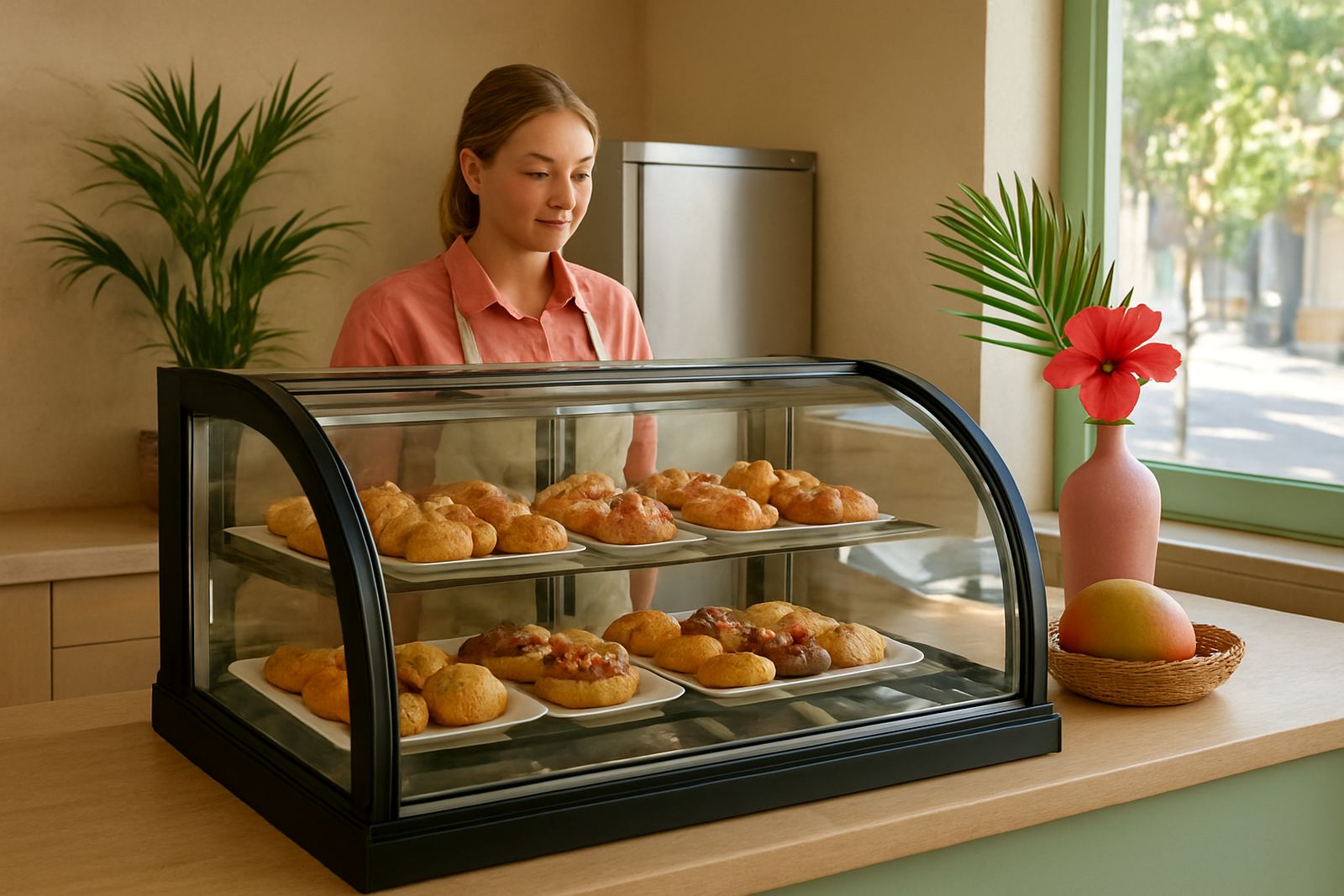
A cake display is a chilled cabinet with clear viewing panels and internal shelving, set up so customers can see the product before it is served. It is used for whole cakes, slices, tarts, mousse cups, pavlova portions, cheesecakes and similar items that need stable cooling without looking hidden behind a solid door. In a busy shop, the unit has to hold temperature through door opening, lunchtime rushes and warm afternoons, while still keeping the display neat.
For Cape Town food businesses, the point is simple: good presentation helps sales, but the cold chain still matters. A display cabinet should keep desserts at the right serving temperature, reduce drying out and limit condensation on the glass. It must also suit the room it sits in. A unit in a bakery near the CBD has very different working conditions to one in Somerset West or Fish Hoek where the air can be more humid and the doors open all day.
We deal with display fridges for counters, front-of-house service areas and self-service dessert points. If the unit is placed too close to an oven, coffee machine or sunlit window, it will work harder and use more power. That usually shortens compressor life and can make the glass mist up more often.
Sizes, shelf layouts and common display formats
Cake displays come in several widths and heights, and the right size depends on how many products you want to show at once and how much floor space you have. Smaller units suit takeaway counters and compact cafés. Larger cabinets are better for bakeries, hotel buffets and shops with a steady turnover of desserts. Shelf depth matters too, because a shallow tray can show slices neatly while deeper shelves take larger cakes and boxed items.
- Counter-top units for limited space and daily dessert service
- Floor-standing units for bakeries, hotels and coffee shops
- Straight glass fronts for simple product rows
- Curved or angled fronts for better viewing from the customer side
- Single, double or multi-shelf setups depending on stock rotation
Many operators in Cape Town prefer adjustable shelving so the cabinet can handle tall cakes one week and smaller pastries the next. If you run a mixed menu, ask about shelf spacing, door style and internal lighting. These details affect both display and service flow. A cabinet that looks good but cannot fit your tallest cake is not useful in practice.
Where cake displays suit Cape Town trade
These units suit bakeries, cafés, restaurants, hotels, coffee bars, supermarkets with deli counters and dessert counters in guest houses. They are also useful in office canteens that sell pre-packed sweets or slices during the day. In the Cape Peninsula, a display fridge needs to cope with changing weather, salt in the air near the coast and regular power interruptions that can interrupt steady cooling.
We normally recommend planning the cabinet around actual trade patterns. A CBD café may need a compact unit with quick access for staff. A Claremont bakery may need a longer cabinet with stronger visibility from the walkway. In Milnerton, Montague Gardens or Bellville, back-of-house space and loading access can matter as much as the display itself. If delivery routes are tight, measure the doorway, counter gap and turning space before ordering.
- Use a unit with good front visibility if cakes are sold impulse-style
- Choose an enclosed cabinet if the shop gets dust, wind or heavy foot traffic
- Allow clear air flow around the condenser area so the fridge can breathe
- Keep the unit away from ovens, hot plates and direct sunlight
Installation, power needs and site conditions
Most cake display cabinets need a standard electrical supply and a stable, correctly protected circuit. The exact power draw depends on size, lighting and the refrigeration system, but the cabinet should not share a circuit with high-load kitchen gear if that can be avoided. In areas affected by load-shedding, businesses often ask about backup power and restart behaviour. A display fridge may come back on after an outage, but if voltage is unstable or the unit is switched on and off repeatedly, it can strain the compressor.
Installation also needs planning around heat and airflow. The rear or base vents must stay clear. The floor should be level so doors seal properly and shelves sit straight. If the unit is going into a bakery with open kitchens or close to coastal air, ask about corrosion resistance and daily cleaning of the glass and seals. Small faults build up fast in damp air, and a bit of sugar spill or flour dust can block airflow before anyone notices.
For fitted counters, check the opening size, service access and whether the cabinet can be removed without damaging surrounding joinery. Some sites need a small drain arrangement for cleaning. If a unit sits near public areas, it should also be positioned so staff can load cakes quickly without blocking the customer line. That matters in busy service periods when every minute counts.
Temperature control and product care
Display cabinets should hold a steady chilled range suitable for cakes and desserts, usually in the general food-safe refrigeration band rather than freezing cold. Exact settings depend on the recipe and the supplier’s instructions, because some cream cakes tolerate different conditions to mousse or ganache products. The aim is even temperature, low moisture build-up and minimal drying out at the edges.
To keep performance consistent, the unit should be cleaned daily and serviced regularly. Wipe glass, shelves, door seals and handles with food-safe cleaner, then check that vents are open. Do not overload shelves or pack product against the rear wall because that can block cold air movement. A display fridge that is too full often runs harder and still gives uneven results, especially during hot spells in Cape Town.
- Clean door seals so they close fully and do not leak cold air
- Check the thermostat setting after power cuts or maintenance work
- Remove crumbs, icing and syrup before they harden
- Book a service if the glass mists, temperature drifts or the fan sounds different
What to check before you order a cake display
Before ordering, measure the available footprint, height under counters or shelving, and the route through doors and corridors. Then check what you plan to display, because the unit size should match your tallest cake boxes and your busiest trading pattern. If you sell in one slice at a time, you may need more tray depth and easier staff access. If you display whole cakes, shelf height and visibility are more important.
It also helps to confirm the electrical point, ambient room temperature and whether the cabinet must sit in a branded front area or a back-of-house prep space. In some sites, especially where municipal compliance or landlord rules are strict, you may need extra attention to drainage, clear access for cleaning and proper cable routing. We can assist with installs and repairs across Cape Town, from the CBD to Fish Hoek, and we keep an eye on practical matters like service access and ongoing maintenance. One rushed choice can cost more than the unit price itself, so it is worth checking the details upfront.
Service support from our Montague Gardens team
We handle cake display fridge installations, repairs, thermostat issues, compressor faults, fan problems and gas leaks for commercial sites across Cape Town and the peninsula. If a display is struggling after load-shedding, building work or a long hot spell, our technicians can inspect the refrigeration circuit, test controls and advise whether the problem is electrical, airflow related or gas related.
Our team works from Montague Gardens and supports customers in Cape Town CBD, Milnerton, Bellville, Claremont, Somerset West and Fish Hoek. For bookings, email bookings@tropicalrefrigeration.co.za. If you already have a cabinet and need advice on the next step, send the dimensions, power details and a photo of the unit so we can get straight to the point.
Key facts
| Typical use | Cakes, slices, pastries and chilled desserts |
|---|---|
| Temperature range | Generally 2 C to 8 C, depending on product type |
| Formats | Counter-top or floor-standing display cabinets |
| Shelving | Adjustable shelves or trays, model dependent |
| Power | Standard electrical supply, final load to be checked per unit |
| Support area | Cape Town and the Cape Peninsula, from Montague Gardens base |