What a condensing unit does in a refrigeration system
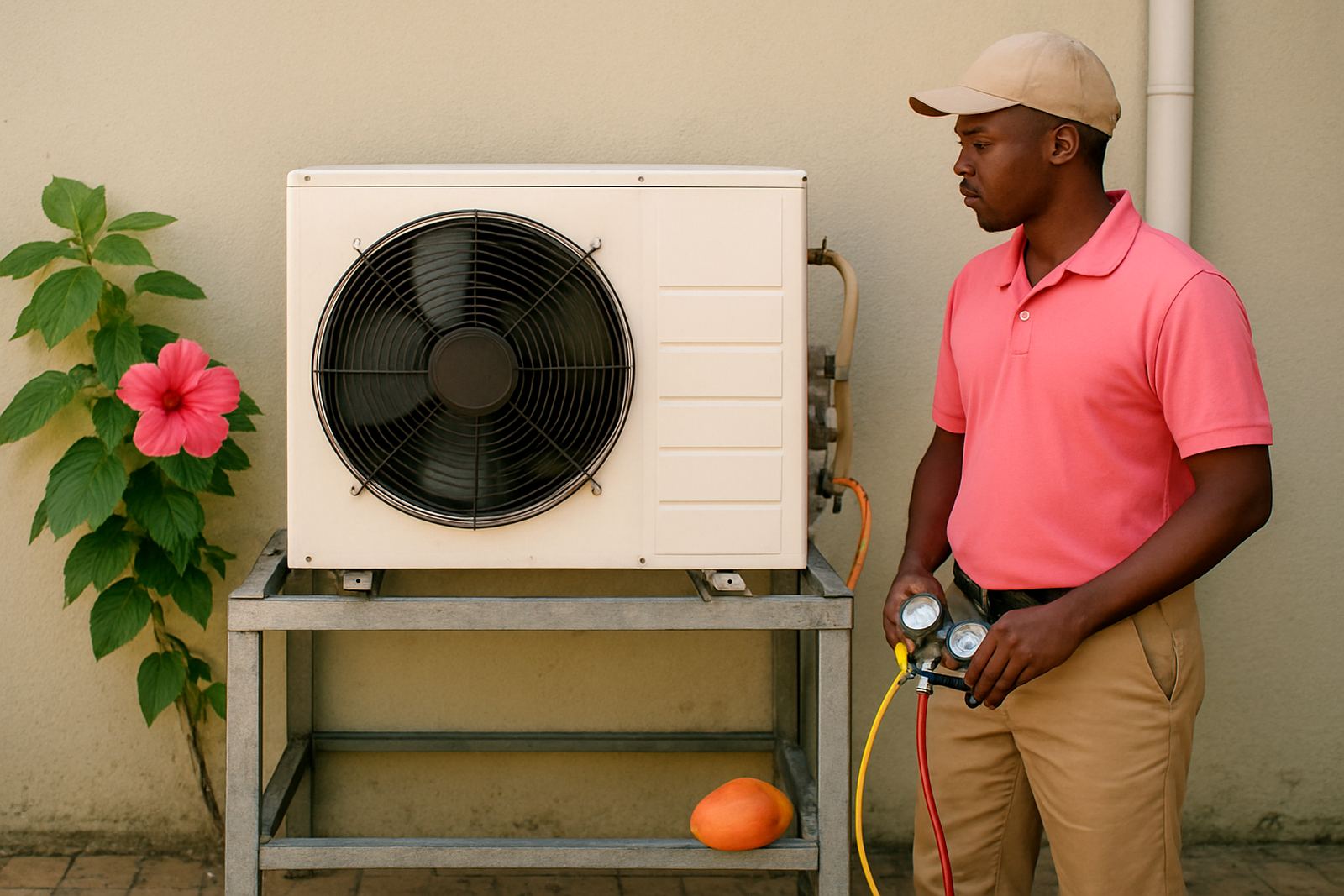
The condensing unit is the part that sits outside the cold space and carries the compressor, condenser coil and fan assembly. In simple terms, it takes the heat removed from the room or cabinet and dumps it into the outside air. That is why you will often see it mounted on a roof, on a wall bracket, or on a concrete plinth next to the building.
For Cape Town sites, placement matters. Coastal air can be salty and damp, so the unit needs good airflow and sensible protection from direct sea spray where possible. In Milnerton, Table View, Fish Hoek and Somerset West, we often look at corrosion risk, drainage, and how the unit will cope with summer heat and load-shedding starts and stops. A properly selected condensing unit helps the rest of the system run at the right temperature and keeps product safer in the chamber below.
Sizes and build options we supply
There is no one size that suits every job. A small takeaway freezer room needs a very different unit from a butchery cold room, flower store, or a bottle store freezer. We match the unit to the cabinet or evaporator load, ambient temperature, and the way the room is used during the day.
- Small air-cooled units for bottle coolers, underbar fridges and compact cold rooms
- Medium units for retail cold rooms, prep rooms and restaurant storage
- Larger units for freezer rooms, commercial storage and higher duty cycles
- Top discharge and side discharge layouts, depending on the available space
- Single-phase and three-phase options, subject to the site supply
- Units set up for fixed-speed or staged operation, where the system requires it
We also check whether the installation needs extra weather protection, vibration control or better clearance around the coil. A unit packed too tight against a wall or roof plant area struggles to breathe, and that pushes up running cost plus wear on the compressor.
Where condensing units work best
These units suit shop back areas, restaurant kitchens, warehouse loading zones, supermarkets, bakeries, florists and service yards. They are also used on cold rooms at fishing operations and food prep sites close to the harbour or in industrial areas like Montague Gardens and Bellville South. The main thing is to give the unit fresh air and keep service access clear.
In Cape Town, we often supply condensing units for replacement work where the old system has failed due to age, blocked coils, poor gas charge or repeated overheating. New builds may need a smaller footprint or a quieter arrangement if the neighbours are close. For CBD sites and mixed-use buildings, we look at noise, drainage, fixed mounting points and how technicians will get to the unit for future servicing. It is better to plan that now than cut corners and fight the same fault later.
Power, refrigerant and installation checks
Before any unit goes in, the electrical supply and refrigeration duty need to be checked together. A unit can look right on paper but still trip on start-up if the cable size, isolator, breaker or phase balance is wrong. On sites with load-shedding backup, we also check how the generator or inverter setup behaves under compressor start demand.
- Confirm the voltage and phase available on site
- Check the matching evaporator, room size and target temperature
- Confirm refrigerant type and correct charge weight for the system
- Allow for pipe run length, height differences and oil return
- Use proper brackets, feet or base frames with anti-vibration support
- Make sure condensate and defrost water can drain away safely
Gas type must match the design, and the pipework must be pressure tested and vacuumed before charging. If the line set is undersized or there is a hidden leak, the new condensing unit will not perform as it should. We do pressure testing, leak detection and commissioning so the system is ready for normal use, not just switched on for show. Sometimes the issue is not the unit at all, its the pipework left behind by a previous installer.
Care, servicing and signs the unit is due for attention
A condensing unit needs routine care if you want steady temperatures and lower repair costs. Dust, cardboard fibres, grease and coastal dirt can build up on the coil and fan blades, especially on food sites and workshops. Once airflow is restricted, head pressure rises and the compressor works harder than it should.
We recommend regular cleaning, electrical tightening, coil checks, fan testing and refrigerant checks. On commercial sites, servicing is best planned around trading hours and stock movement so we can get at the unit without stopping the whole operation. If the system is short on gas, cycling too often, icing up, or making unusual noise, it needs attention before a full breakdown hits.
- Warm room temperatures or slow pull-down after the door closes
- Ice on the evaporator or liquid line where there should be none
- Fan motor noise, vibration or short cycling
- High power use or repeated tripping
- Oil stains, burnt wiring smell, or visible corrosion
What to check before you order
To supply the right condensing unit, we need the room use, dimensions and target temperature, plus the current system details if you are replacing an old one. The more accurate the information, the better the match and the less risk of callbacks. For replacements, a photo of the old nameplate and the existing pipework helps a lot.
Please check the following before sending an enquiry: room size in metres, product stored, expected operating temperature, voltage on site, whether the job is in Cape Town CBD, Milnerton, Bellville, Claremont, Somerset West or Fish Hoek, and if the unit must sit outdoors in salty air or under a roof. If there are municipal or body corporate limits on noise or mounting, mention that early. We can then advise on a fit that suits the site, the supply and the way the business works day to day. A short site note can save hours later on.
Key facts
| Type | Outdoor air-cooled condensing unit |
|---|---|
| Use | Replacement builds and new refrigeration systems |
| Typical supply | Single-phase or three-phase, depending on load |
| Refrigerant | Matched to system design and line set |
| Mounting | Wall bracket, roof, plinth or ground frame |
| Best suited for | Cold rooms, freezer rooms, cabinets and commercial prep areas |