Cold room faults we sort out on site
When a cold room starts drifting above set point, building frost on the ceiling or running non-stop, the cause is usually a mix of wear, airflow problems or a failed part. We inspect the full system and trace the fault before any replacement work starts. That matters in Cape Town, where a unit can be stressed by load-shedding, coastal moisture and warm delivery traffic opening the door too often.
Our repair work covers temperature faults, icing on evaporator coils, water leaks, damaged gaskets, door closers, loose hinges, blocked drains, fan motor issues, compressor trouble and control problems. We also deal with damaged insulation panels, faulty solenoids, pressure switches and thermostat errors. If the room is meant to hold chilled stock between 0 °C and 5 °C or frozen goods at -18 °C to -25 °C, we check whether the system is actually meeting that spec under load, not just when the room is empty.
- Temperature swings and cycling problems
- Ice build-up on coils, walls or the floor
- Door seals, locks, closers and hinge wear
- Fan, compressor and controller faults
- Drain blockages and water pooling
How we diagnose a cold room properly
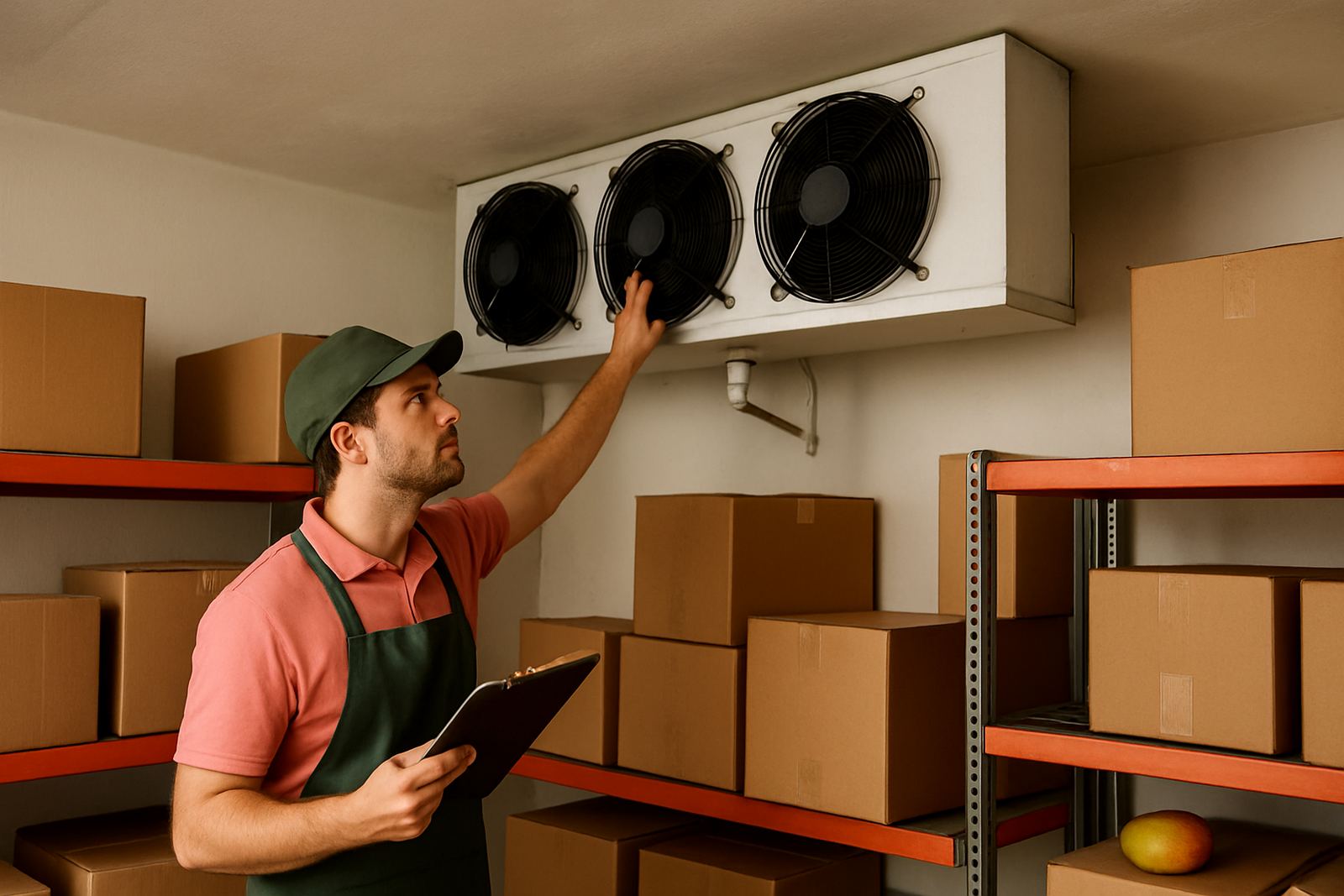
We start with a visual inspection and operational test. That includes checking room temperature, return air, supply air, compressor running current, fan operation, defrost timing and the condition of pipework. If the unit is short cycling or tripping after load-shedding, we test for starter wear, contactor damage and voltage issues as well. A cold room can look fine from the outside, but one blocked drain or weak door seal can push the cabinet out of range.
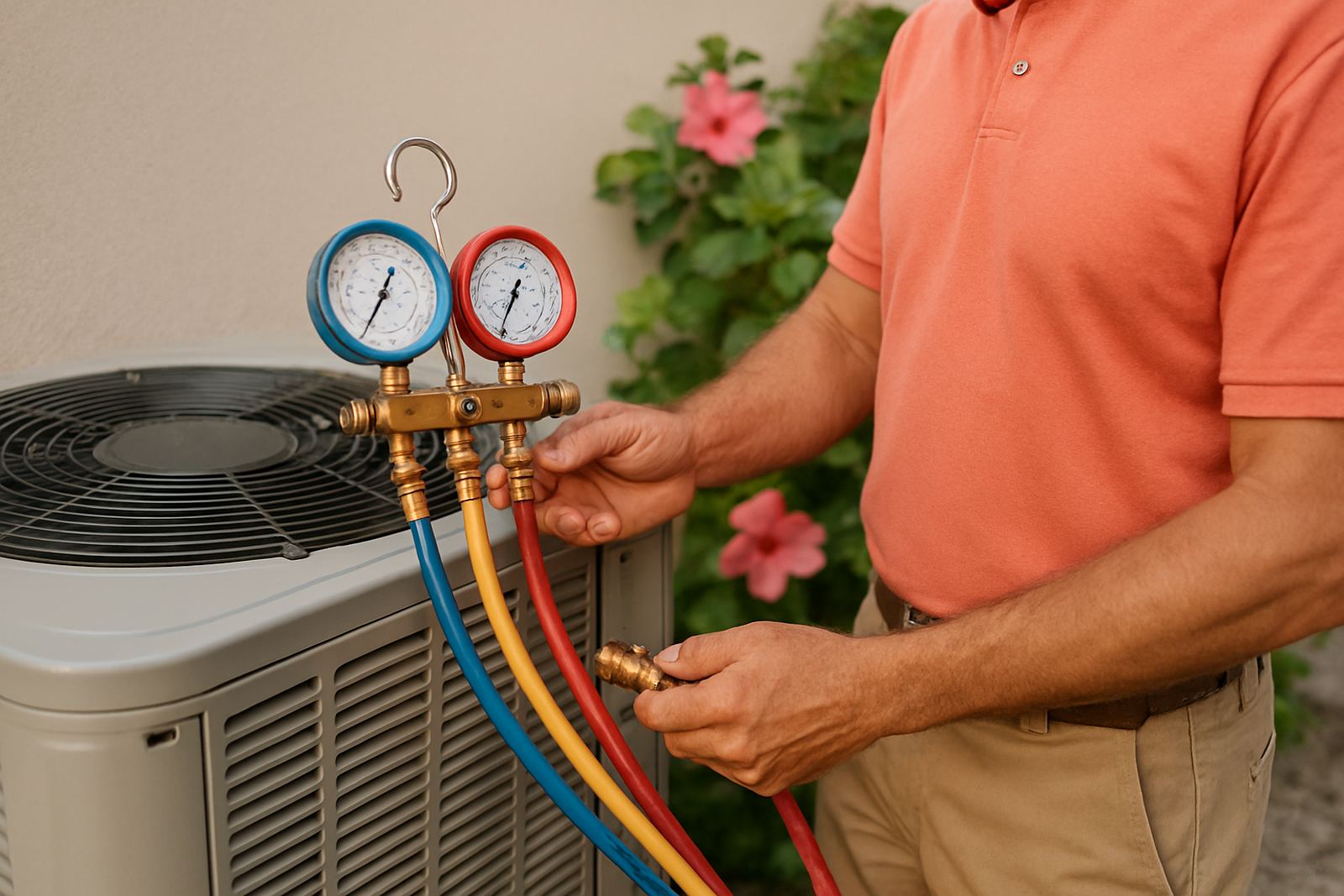
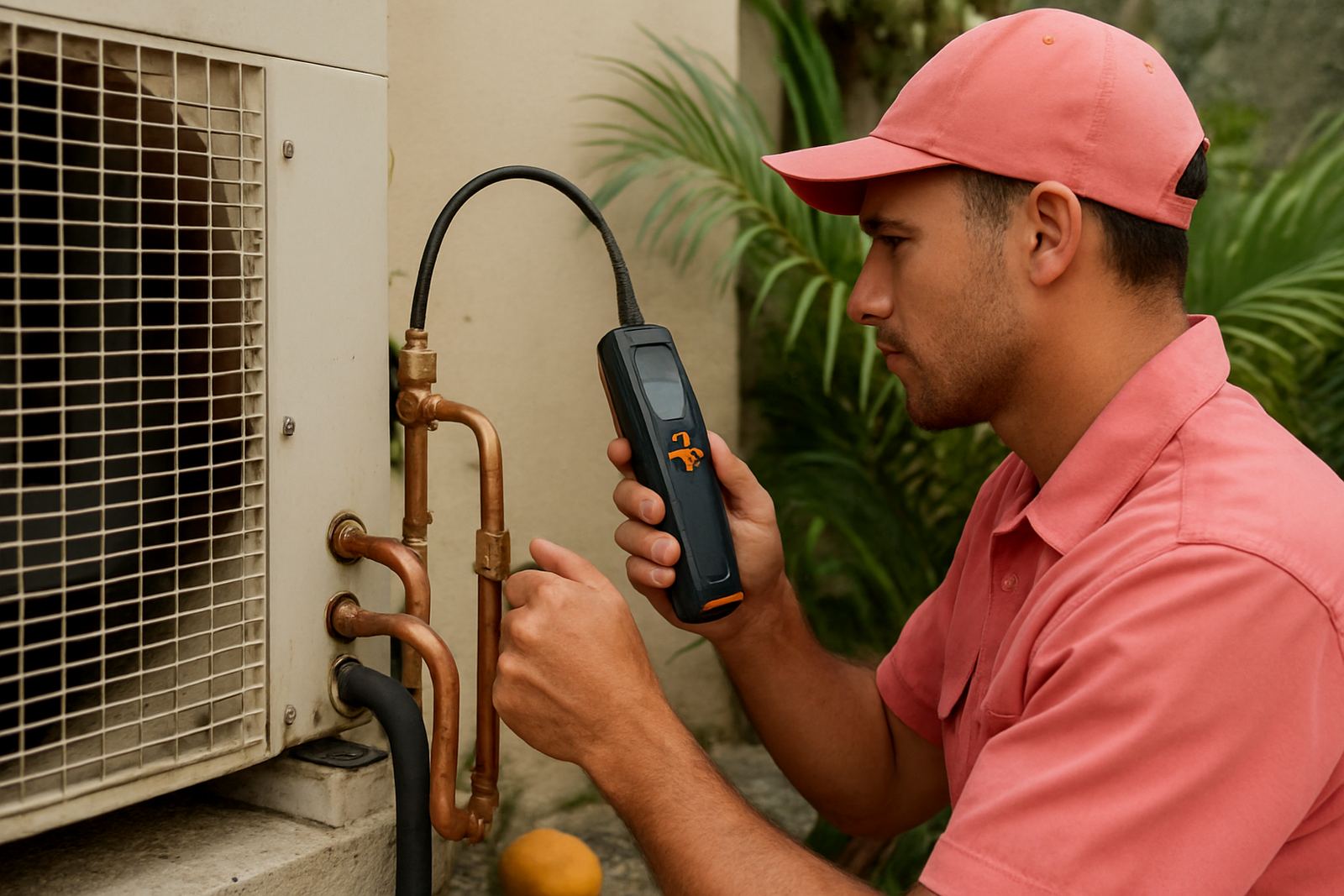
Where needed, we use gauges, clamp meters and temperature probes to confirm system performance. If the problem points to low gas, we look for leaks before topping up. If the coil is iced solid, we work out whether the cause is poor defrost, low airflow, a dirty condenser or gas charge loss. We dont guess, because a quick fill without finding the reason usually means the same callout again next week.
- Temperature and pressure readings
- Electrical checks on starters, relays and contactors
- Door and gasket inspection
- Defrost cycle and fan testing
- Leak check before any gas refill
Repairs and parts replacement we handle
Once we have the fault, we carry out the repair with the least downtime possible. That may mean replacing a thermostat, pressure switch, fan motor, compressor, contactor, drain heater, solenoid or door hardware. We also fix pipe leaks, re-gas systems after a proper pressure test and restore airflow by clearing blocked coils or drains. If the room has a failed compressor, we check oil condition, electrical draw and system cleanliness before fitting the new unit.
We also repair cold room doors that drag, leak warm air or refuse to close properly. In Cape Town coastal areas like Milnerton, Fish Hoek and Somerset West, salty air and humidity can corrode hinges and door frames faster than expected. If a room is storing meat, dairy or prepared food, a poor seal can cause a temperature rise within hours, so we pay close attention to the hardware and the insulation line.
Where insulation damage is the issue, we can advise on sealing and panel repairs. A small gap near the door or floor can create icing, higher running costs and uneven cooling, especially during summer peaks and busy service periods.
What a repair visit includes
Every cold room repair call includes fault finding, a clear explanation of the problem and practical options before work proceeds. If a part is available on site, we fit it there and then. If the issue needs a special component, we isolate the system safely, secure the site and advise on the next step. We keep the process simple for owners, managers and kitchen teams who need stock protected and the room back in service fast.
- Site assessment and fault report
- Safety isolation and electrical checks
- Mechanical repairs and component replacement
- Gas leak detection and pressure testing
- System restart and temperature verification
We also check whether the room is being overpacked or used with the door left open too long. That can be just as important as the hardware fault. In busy sites, a repaired unit still needs decent operating habits or the same problem will come back.
Turnaround, pricing and how we quote
Turnaround depends on the fault, the size of the room and whether parts are available. Simple faults like a thermostat, door seal or blocked drain may be handled on the first visit. Compressor or control replacements usually need a follow-up once the part has been sourced. For urgent food storage problems, we prioritise breakdowns that risk stock loss, especially after a power interruption or during hot spells in the Cape Peninsula.
Our pricing is based on the actual job, not a one-price-fits-all figure. We look at labour, parts, refrigerant quantity, access and whether after-hours attendance is needed. Before major work starts, we explain the likely repair path and the cost drivers so there are no surprises. If a room is nearing the end of its useful life, we will say so plainly instead of patching a system that needs repeated major work.
For businesses in Cape Town CBD, Bellville, Claremont or Somerset West, we can also plan repairs around trading hours to reduce disruption. A shop or prep kitchen often cant afford a full shutdown during service, so timing matters.
Keeping cold rooms in good order
Preventive servicing is the best way to avoid emergency breakdowns. For most cold rooms, we recommend a service every 3 to 6 months, with shorter intervals for high-use kitchens, butchery rooms and sites near the coast. If the room is opened many times a day, or if load-shedding is affecting the supply, monthly checks on door seals, drain flow and temperatures can save a lot of stock loss.
During maintenance we clean coils, test fans, check defrost operation, inspect electrical components, verify temperature set points and look for early signs of wear. If you notice more icing than usual, warmer spots near the door or a compressor that seems to run forever, book a check before the fault gets worse. A small issue can turn into spoiled stock very fast, especially in summer.
We work from Montague Gardens and serve Cape Town and the Cape Peninsula, including Milnerton, Bellville, Claremont, Fish Hoek and Somerset West. If your cold room is slipping on temperature or making unusual noise, send the details and we will advise the next step.
Key facts
| Service area | Cape Town and the Cape Peninsula |
|---|---|
| Base | Montague Gardens, Cape Town |
| Typical room temperatures | 0 °C to 5 °C chilled, -18 °C to -25 °C frozen |
| Common repair items | Thermostats, fans, compressors, doors, gaskets, switches |
| Maintenance interval | Every 3 to 6 months, with shorter intervals for heavy-use sites |
| Contact | bookings@tropicalrefrigeration.co.za |