What an aircon gas refill includes
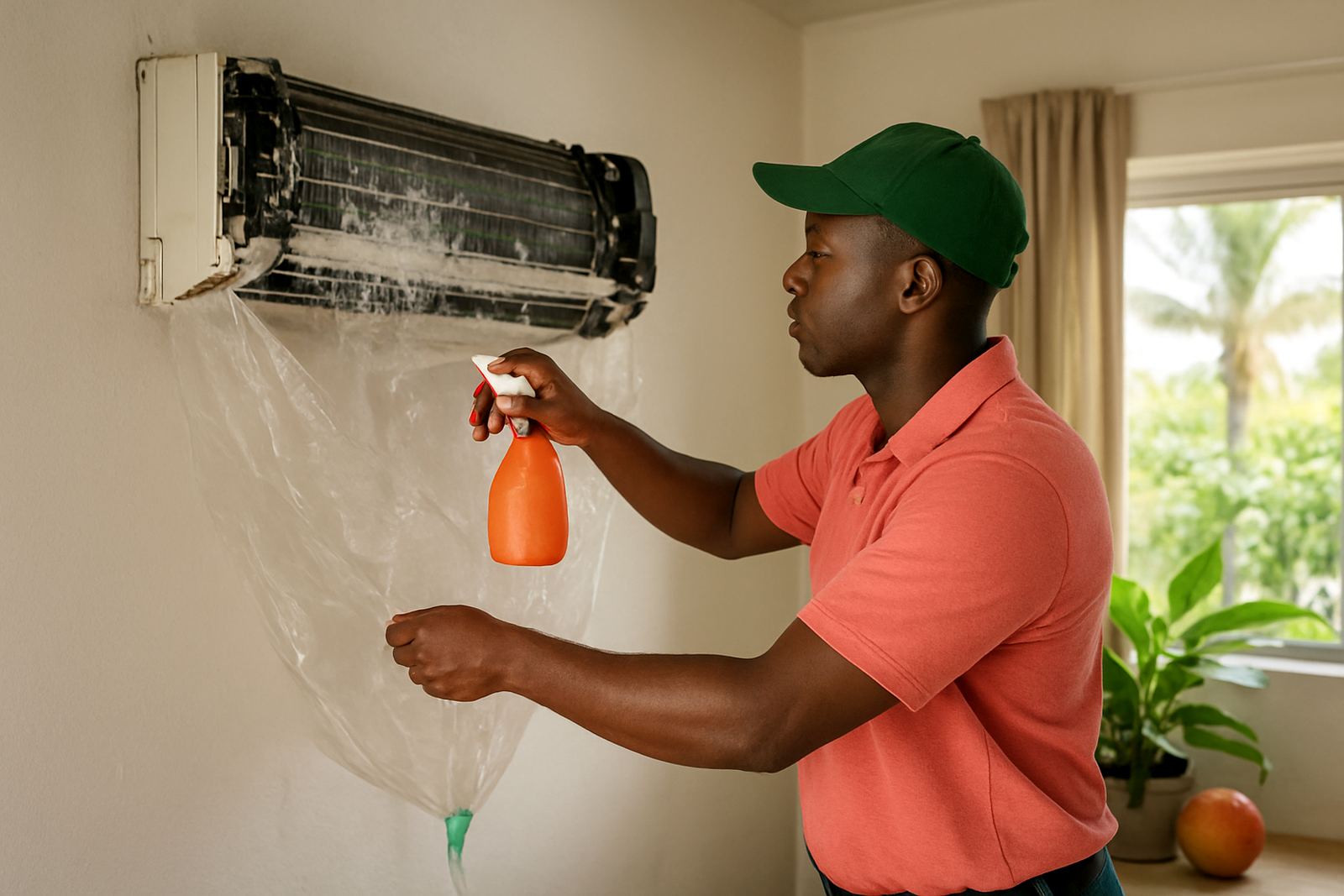
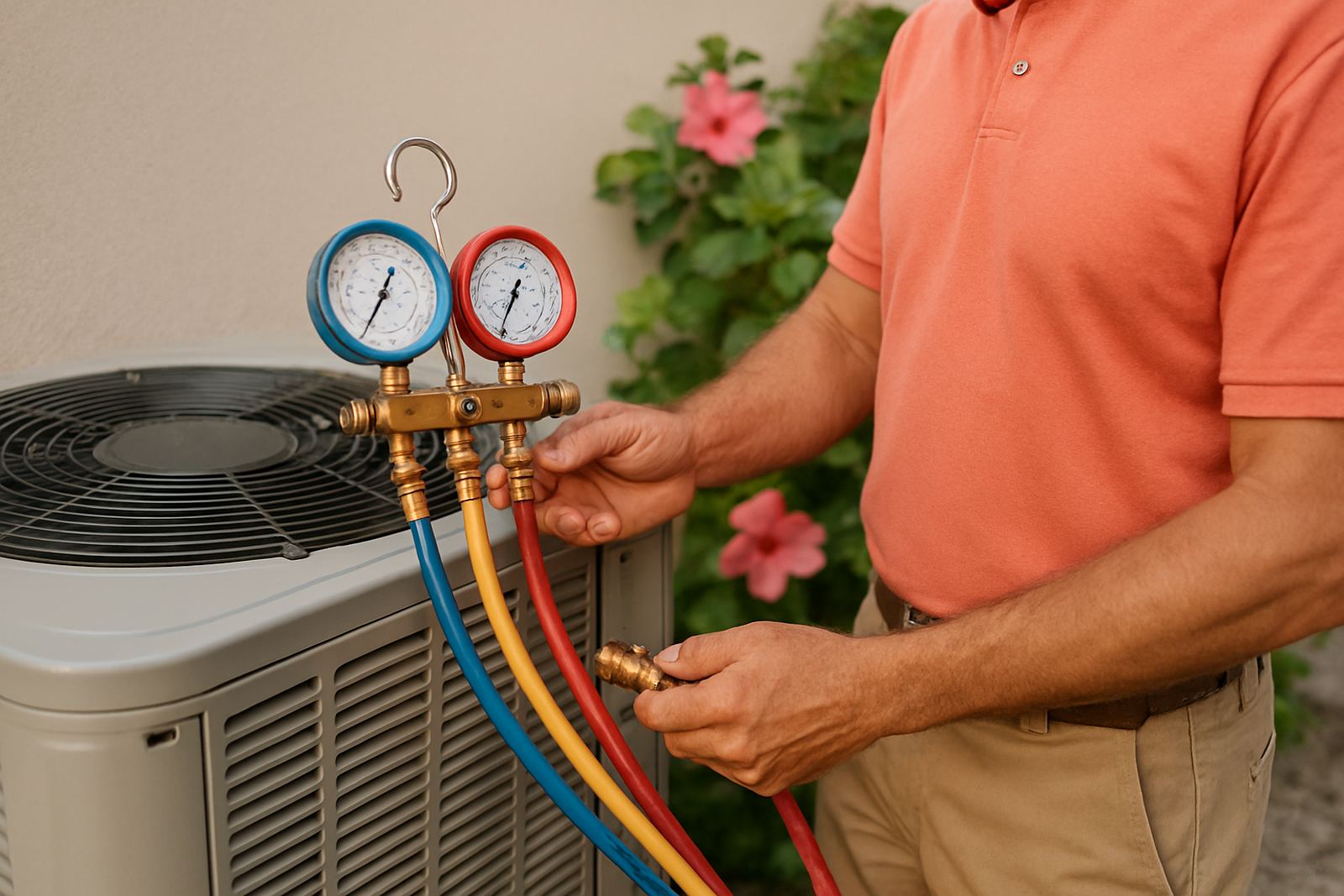
An aircon gas refill is never only about adding refrigerant. If a unit is low on gas, there is usually a reason, and the first job is to find it. Our team checks operating pressures, airflow, electrical condition and the visible signs of leaks around pipe joints, coils and service valves before any refrigerant is added.
We work on split systems, cassette units and ducted equipment used in homes, shops and offices in Cape Town CBD, Milnerton, Bellville, Claremont, Somerset West and Fish Hoek. On coastal properties we also look for corrosion, salt build-up and insulation damage, since these can affect pressure and cooling performance over time.
- Pressure readings taken on site before and after work
- Leak inspection on fittings, coils, valves and piping
- Top up or full recharge, depending on the system condition
- Performance check on temperature drop and running current
- Advice if the system needs repair before more gas is added
Our refill process from first check to final test
We follow a straightforward process so the unit is treated properly and not forced to run with an underlying fault. First we confirm the complaint, then isolate the system and check the pressures against the unit type and operating conditions. After that we inspect for leaks using suitable detection methods and a careful visual check of the pipes, flare nuts and indoor and outdoor coils.
If the system is sound, we refill it to the correct level for that installation. If the pressure has dropped because of a leak, we will explain where the loss is coming from and quote for repair before or together with the refill. In many cases, a simple top up is not enough, because gas will keep escaping and the unit will lose cooling again within weeks.
- Initial site check and fault confirmation
- Pressure testing and leak inspection
- Vacuum and recharge where needed
- Final running test with temperature measurement
- Clean handover with plain feedback on the unit condition
Signs your unit may need a refill
Low refrigerant often shows up as weak cooling, longer running times and warm air from the vents even when the set temperature is low. You may also hear the unit cycling more often, or notice ice on the indoor pipework, which is common when a system is undercharged or airflow is restricted. In offices, this often gets blamed on load-shedding when the real issue is that the unit has been running with low gas for a while.
Not every cooling problem means the gas is low. A blocked filter, dirty condenser coil, failed fan motor or faulty thermostat can also affect performance. That is why we check the whole system before doing any refill, so the real fault gets fixed and the money is not wasted on a temporary top up.
- Warm air from vents on a running system
- Ice on pipes or indoor coil
- Long run times with poor cooling
- Hissing sounds near fittings or pipe runs
- Higher than normal power draw on some units
Pricing approach and what affects the quote
We price aircon gas refills according to the type of system, the amount of refrigerant needed and whether there is a leak or other repair involved. A small home unit in Bellville is not priced the same as a larger office cassette or a commercial space in Somerset West, because the refrigerant quantity and labour differ. If the system only needs a normal top up and passes the basic checks, the job is quicker and cheaper.
When a leak is found, the quote changes to include tracing, repair and possibly a vacuum pull before recharging. That is usually the better option, especially in coastal areas where repeated topping up can become costly. We keep pricing clear before the work goes ahead, so there are no surprises once the unit is open and tested.
- System size and refrigerant quantity required
- Condition of the pipes, coils and valves
- Need for leak repair or part replacement
- Access to the unit and site conditions
- Urgency and after-hours request if applicable
How often to check gas levels and service intervals
An aircon system should not need a refill every year. If it does, there is likely a leak or installation issue that needs attention. For most homes and small offices, a full service once a year is a sensible interval, with gas checks done during that visit or sooner if cooling starts to drop. In busier commercial sites, especially where units run most of the day, six-monthly checks can save you from breakdowns in the hotter months.
We recommend shorter service intervals in homes close to the sea, where salt and moisture can speed up wear on joints and coils. In Montague Gardens and other busy industrial areas, dust can also reduce airflow and push the system harder, which can make a marginal refrigerant problem show up sooner.
- Homes: annual service, sooner if cooling drops off
- Small offices: every 6 to 12 months
- Coastal properties: inspect more often for corrosion and leaks
- High-use commercial sites: six-monthly checks are useful
Cape Town areas, response times and booking
We operate from our Montague Gardens base and service Cape Town CBD, Milnerton, Bellville, Claremont, Somerset West and Fish Hoek, plus surrounding parts of the Cape Peninsula. Turnaround depends on the fault and the stock needed, but many refill jobs can be handled the same day if the unit is accessible and there is no major leak or part failure.
If the system is completely flat, or if there is ice, oil staining or repeated gas loss, we may need a longer visit to sort the root cause first. That saves time later and avoids another breakdown in the middle of a hot spell or during load-shedding when the unit is already under strain.
- Book by email at bookings@tropicalrefrigeration.co.za
- Site visits arranged across the Cape Peninsula
- Same-day assistance depends on area and job size
- Useful for homes, offices, shops and small commercial spaces
What happens after the refill
Once the refrigerant is added, we do a final operating test and check the temperature drop, noise level and discharge pressure so the unit is not left running blind. If the aircon still struggles after a correct refill, the issue may be electrical, mechanical or airflow related, and we will say so plainly. The aim is a unit that cools properly, runs within range and does not need another top up too soon.
We also give practical advice on filter cleaning, service timing and signs to watch for between visits. That helps keep the system in better shape, especially in older buildings where pipe runs are long or the installation has had a few repairs over the years.
Key facts
| Service area | Cape Town and the Cape Peninsula |
|---|---|
| Base | Montague Gardens, Cape Town |
| Typical systems | Split units, cassette units and ducted systems |
| Checks before refill | Pressure readings, leak inspection and system condition |
| Common signs | Weak cooling, icing, longer run times, warm airflow |
| Booking email | bookings@tropicalrefrigeration.co.za |