What Leak Detection Covers
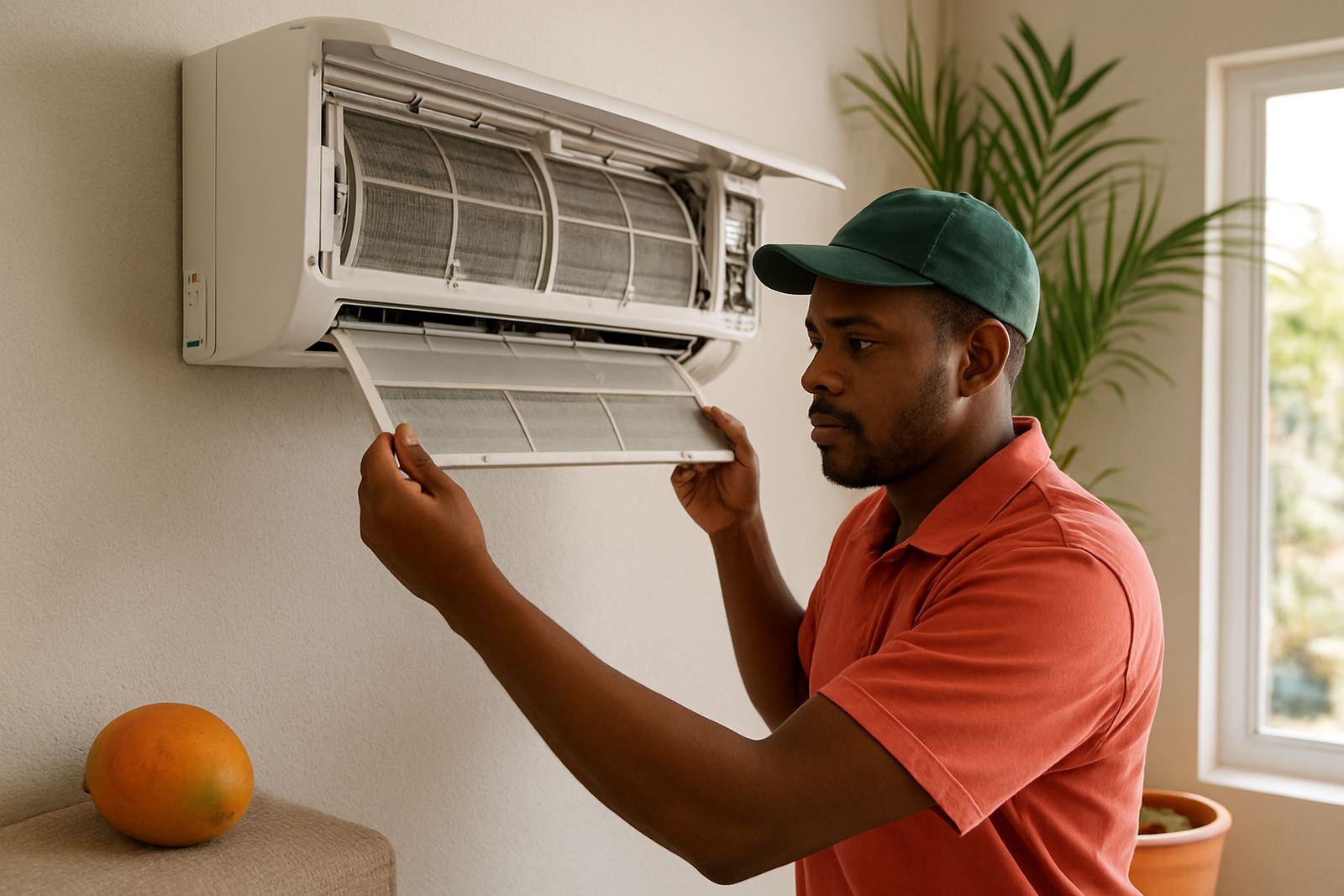
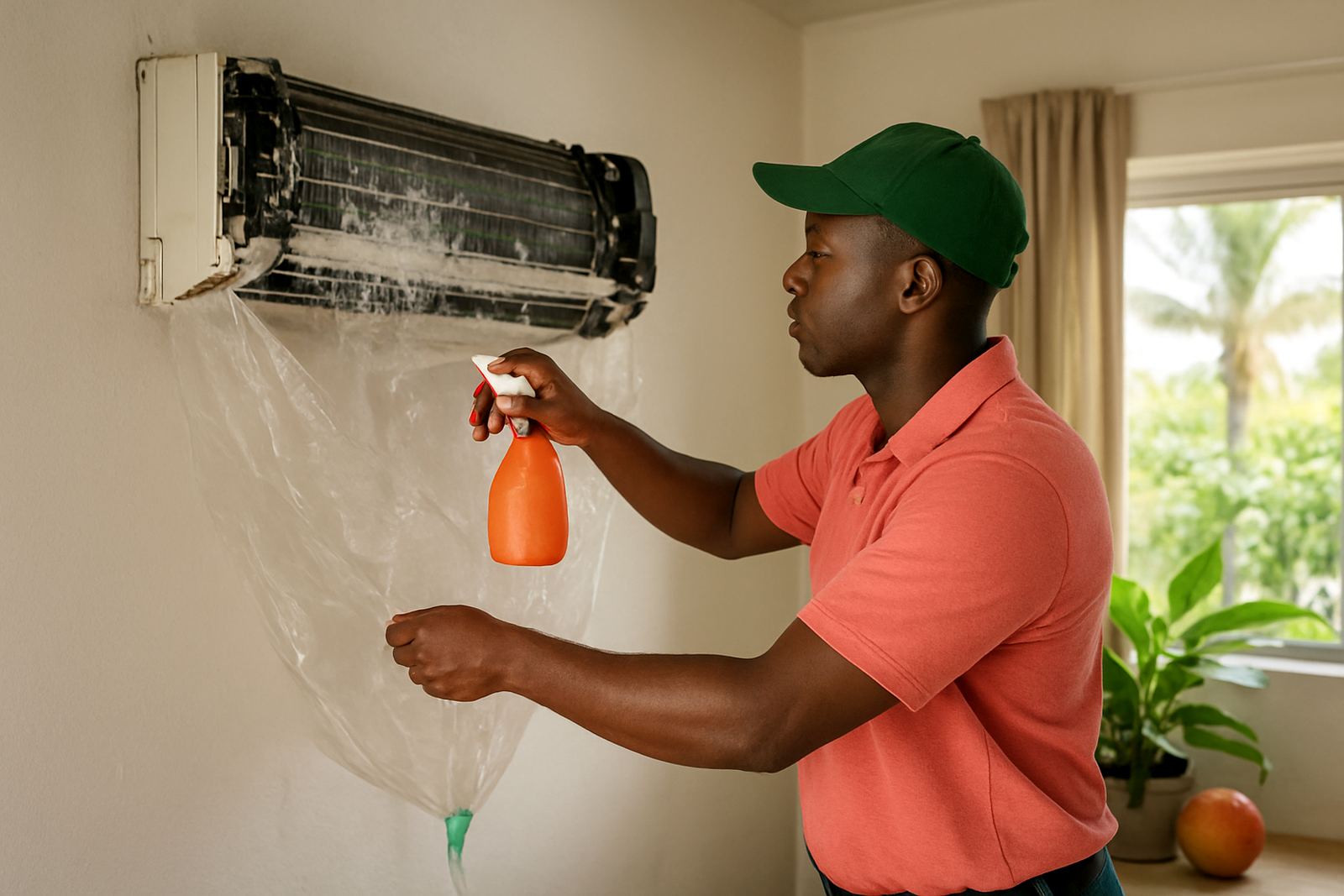
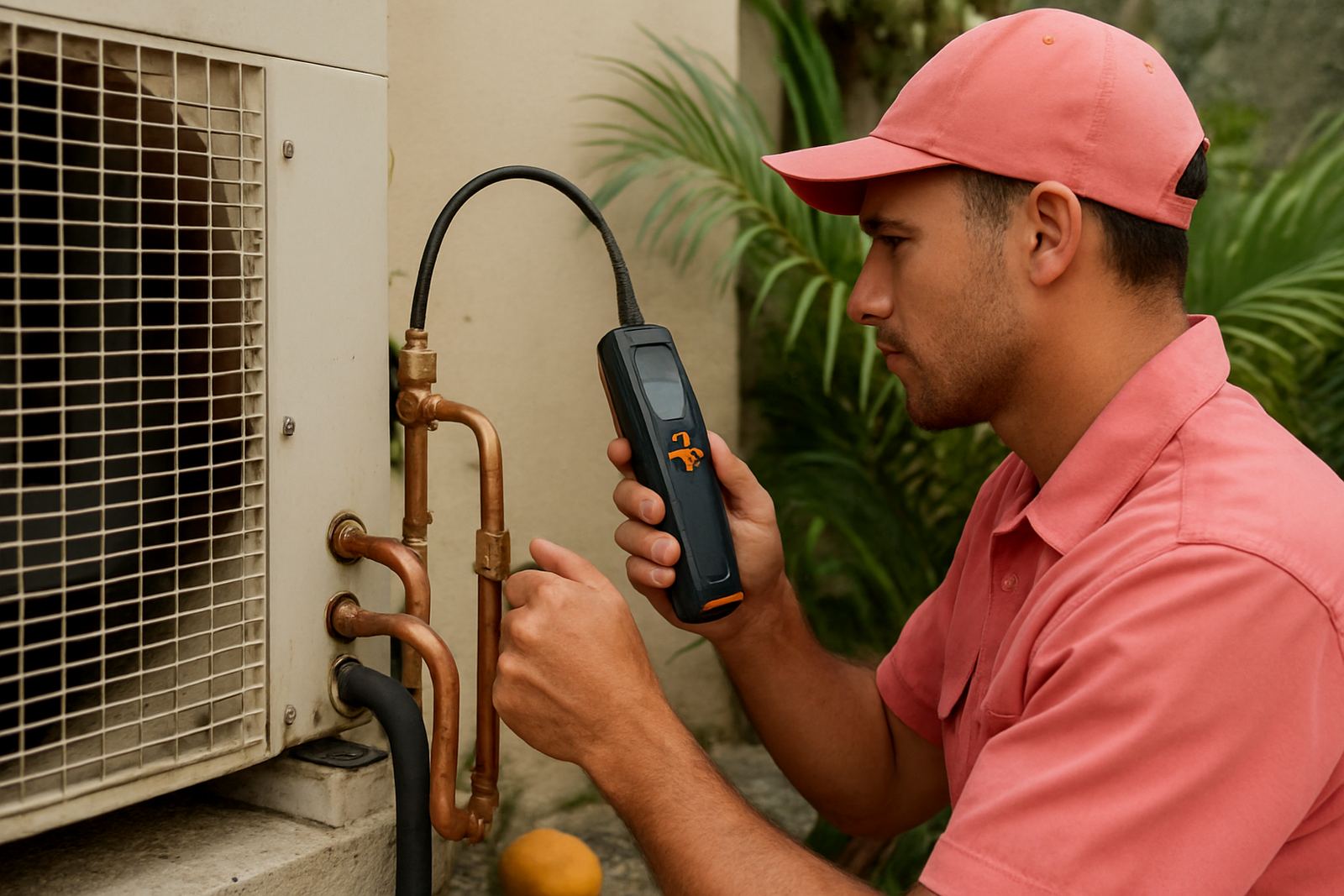
Leak detection is the fault-finding stage before an aircon gas refill, compressor change, or major repair. We check the full refrigerant circuit, including indoor and outdoor units, pipe runs, valves, flare joints, coils, and service ports. On refrigeration equipment we also inspect the cabinet, door seals, evaporator, condenser, defrost components, and the pipe work around the compressor.
In Cape Town, leaks often show up after long summer use, corrosion near the coast, vibration from loose mounting, or damage to pipework during building work. We work on split systems, cassettes, wall units, small chillers, cold rooms, and freezer rooms for homes, offices, shops, restaurants, and light industrial sites.
- Electronic leak testing for refrigerant circuits
- Pressure checks with dry nitrogen where suitable
- Soap solution checks at joints and service points
- UV dye checks when the system condition allows it
- Visual inspection for oil staining, icing, and corrosion
Our Fault-Finding Process
We start by asking when the unit last cooled properly, whether the breaker tripped, and if the system has been topped up before. That history matters because repeated refills usually mean there is an active leak. Our technician then checks pressures, temperatures, running current, and airflow before opening the system for testing.
From there, we isolate sections of the circuit to narrow down the source. On longer pipe runs we test joints, bends, and wall penetrations one section at a time. If the leak is at the coil or compressor area, we confirm whether repair is practical on site or whether the part needs replacement. You get a clear explanation of what failed and what the repair option is, not a vague answer.
- Initial system performance check
- Refrigerant circuit pressure testing
- Targeted leak localisation on suspect sections
- Repair recommendation with parts list if required
- Re-test after the fault has been addressed
What We Look For In Coastal Cape Town Conditions
Homes and businesses in Milnerton, Fish Hoek, Somerset West, and other coastal areas often deal with salt air and moisture. That can speed up corrosion on copper lines, coil fins, brackets, and outdoor electrical covers. In Bellville and the CBD, we often find vibration, overloaded systems, or poor installation work that leaves flare nuts loose or pipe insulation damaged.
We also look for signs that point to a slow leak rather than a sudden failure: oily residue around a joint, a unit that only cools well for part of the day, or ice building on the indoor coil. On commercial refrigeration, one small leak can cause product temperature to climb gradually so it is worth checking early, before stock loss becomes a problem.
- Corrosion on coastal outdoor units
- Loose flares and service valves
- Damage from vibration or poor support
- Failed seals around cabinet panels and doors
- Insulation breaks on exposed pipe runs
Turnaround And Call-Out Timing
Most leak detection jobs can be assessed in one visit, especially when the fault is in an accessible joint, valve, or cabinet panel. More involved cases may need a return visit if the leak is inside a wall, buried in a ceiling void, or on a refrigeration coil that must be removed for bench testing. We always aim to keep downtime as short as possible, especially where food storage or office comfort is affected.
For Cape Town CBD, Montague Gardens, Milnerton, and nearby suburbs we schedule efficiently so the technician arrives with the usual test gear and replacement consumables. If the system must be isolated before further damage is caused, we advise that straight away. That prevents compressor strain and unnecessary power use during load-shedding and hot weather.
Pricing Approach And Repair Planning
Leak detection is priced according to access, system type, and how long the fault-finding takes. A standard split aircon with an accessible outdoor unit is usually quicker than a commercial cold room with long pipe runs or ceiling access. We explain the likely cost before work starts and if the test leads to a repair, the labour and materials are quoted separately.
We do not recommend simply adding gas without tracing the leak first. That may get the unit running for a short time but the fault remains, and repeated top-ups cost more in the long run. Once we have found the leak, we can advise on brazing, seal replacement, component change, pressure re-test, and then the correct recharge amount. That keeps the system in line with its design and avoids overfilling, which can affect cooling performance.
How Often To Check For Leaks
There is no fixed calendar for every system, but regular checks make sense before the busy summer season and after any repair work, renovation, or equipment movement. For home aircons, a yearly service with a leak check is a practical interval if the unit is used often. For commercial refrigeration and cold rooms, checking every service cycle is better, especially where temperature control is critical.
We suggest closer attention when a unit is older than 5 years, sits near the coast, or has had repeated gas refills. If you hear hissing, notice weak cooling, or the compressor seems to run constantly, do not wait. A small leak can become a bigger one, and the repair gets harder if oil loss or moisture has entered the circuit.
- Home aircons: check annually with the service
- Commercial refrigeration: check at every service visit
- After installation changes or pipe work repairs
- Immediately after a gas refill if performance drops again
- After storm damage, vibration, or visible corrosion
Key facts
| Area served | Cape Town and the Cape Peninsula |
|---|---|
| Base | Montague Gardens |
| Systems | Split aircons, cassettes, cold rooms, freezers, small refrigeration plant |
| Leak test methods | Electronic detection, nitrogen pressure testing, soap solution, visual inspection |
| Typical access range | Domestic units to light commercial systems |
| Booking email | bookings@tropicalrefrigeration.co.za |