Why the clinic needed a better cooling plan
The premises had a basic setup that was coping poorly on hot afternoons, especially when the sea breeze turned humid and the rooms filled up. The reception area held warmth for too long, while one of the treatment rooms became stuffy after back to back appointments. The client wanted a practical fix, not a noisy system that would blast cold air onto patients.
The brief was straightforward: improve comfort, keep energy use sensible, and make sure the equipment suited a small healthcare space where people arrive, wait, and move through rooms all day. They also wanted the work done with as little disruption as possible, because the clinic could not shut down for long. We planned the job around that from the start.
Site conditions in Muizenberg and the constraints we worked around
Muizenberg brings its own set of conditions. Coastal humidity can make a room feel warmer than the thermometer says, and salt in the air is hard on outdoor equipment over time. The building also had limited wall space, so we had to choose positions carefully to avoid blocking walkways, windows, and wall mounted fittings.
There were a few other constraints. The electrical supply had to be checked before any installation, and the clinic needed the work staged so patients could still be seen. The owner asked for low visual impact on the front counter area, plus quiet running for the treatment room, which meant we could not simply fit the first unit that seemed big enough.
- Coastal air meant corrosion resistance mattered.
- Indoor units had to fit cleanly above doors and waiting area walls.
- Drainage had to be arranged to avoid drip marks and damp patches.
- Noise levels needed to stay low during consults and procedures.
What we supplied and installed
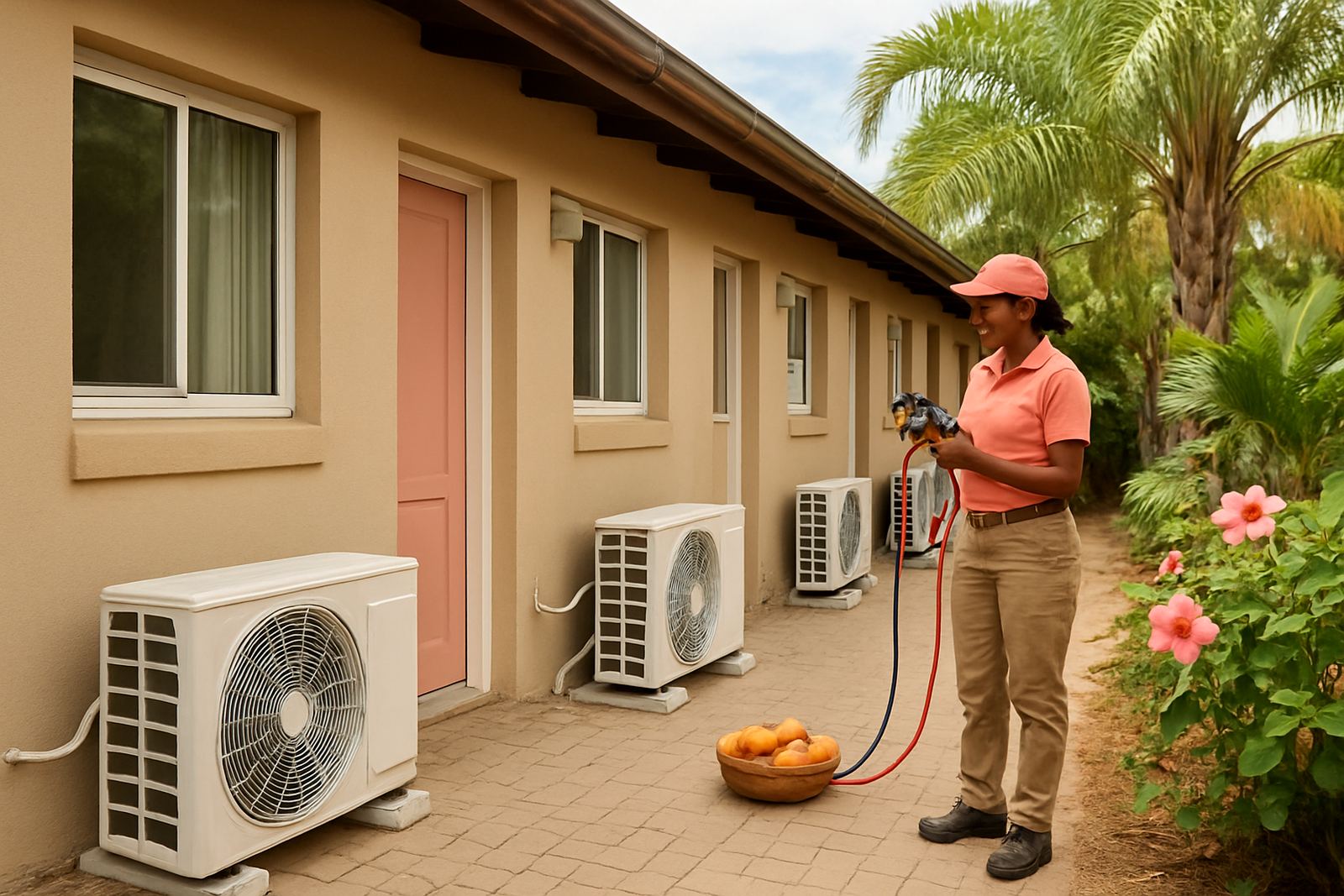
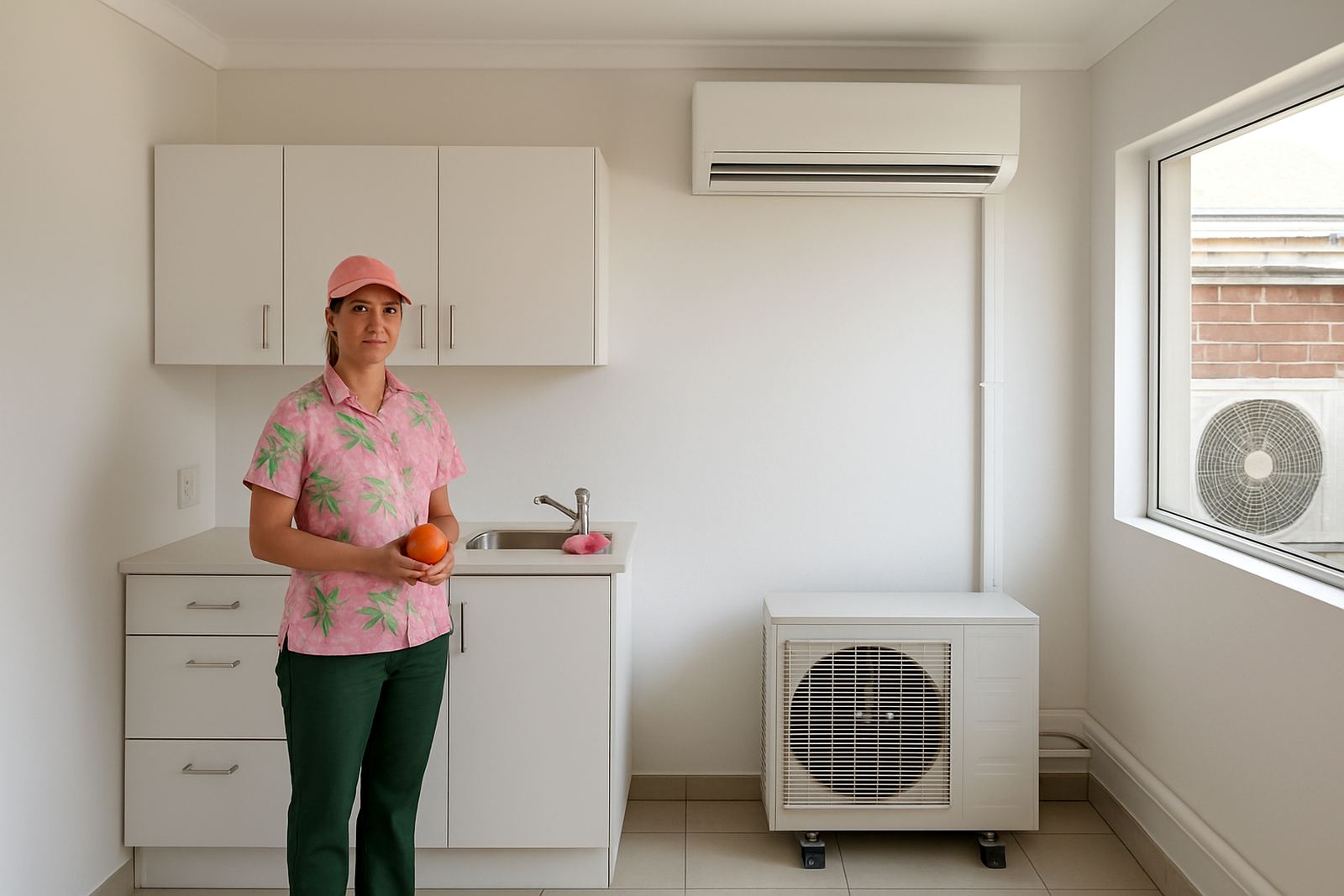
We supplied and installed inverter split air-conditioning units sized for the two main spaces, one for reception and one for the treatment room. The indoor units were selected for even air distribution rather than a harsh direct blast, and the outdoor units were mounted where they would get good airflow and service access. Pipe runs were kept neat and as short as the layout allowed.
On this project we also paid attention to the details that matter in a clinic. That included proper vibration isolation, sealed wall penetrations, tidy trunking, and careful condensate drainage. We set the controls so staff could manage temperatures easily through the day without having to keep adjusting settings. The job was completed in one week, with the final commissioning and testing done once the units had run long enough to stabilise.
- Inverter split units for steady temperature control.
- Quiet indoor operation suited to consultation rooms.
- Correct condensate drainage and wall sealing.
- Outdoor mounting planned for coastal exposure.
How the installation was carried out
We started with a site measure and load check, then mapped the refrigerant lines, drain falls, and cable routes before any drilling began. That saved time on site and kept the job tidy. The team worked in stages so one room could remain usable while the other was being fitted out, which reduced disruption for the clinic staff and patients.
Once the units were mounted, we pressure tested the pipe work, checked for leaks, pulled the system down, and charged it to the required level. We then tested cooling performance under normal operating conditions. The outdoor units were secured to allow future maintenance, because in a coastal area it is better to leave room for servicing instead of packing equipment tight against a wall. Small detail, but it pays off later.
Results for staff and patients
The reception area now holds a steadier temperature through the day, and the treatment room stays comfortable even when the weather turns sticky. Staff reported that the rooms no longer need constant adjustment, which makes the day easier and helps avoid arguing over the thermostat. The clinic also noticed less noise from the old setup and a cleaner look inside the rooms.
From a practical point of view, the biggest win was consistency. Patients are not arriving into a hot waiting room, and the treatment space does not swing between too warm and too cold. That matters in healthcare settings where comfort and calm are part of the experience. The system has also been easier on electricity than the older equipment, which is useful during load-shedding recovery and warm summer peaks.
What we would do again on a similar clinic job
We would follow the same approach again for a small healthcare premises in Cape Town, especially near the coast. Measure carefully, keep the system quiet, and give the outdoor units enough room to breathe. That combination makes service work easier later and helps the equipment last longer in salty air. We’d also plan around the clinic’s operating hours from the start, becuase once patients are in, there is little room for noise or delay.
For this type of site, we would keep recommending inverter units, careful drainage, and a clean cable route with proper isolation. It is not a large commercial plant, but it still needs discipline in the install. A good clinic cooling job is one that disappears into the background and just keeps doing its work.
Key facts
| Project type | Reception and treatment room cooling |
|---|---|
| Town | Muizenberg, Cape Town |
| Client type | Small healthcare premises |
| Timeline | 1 week |
| System type | Inverter split air-conditioning |
| Key work | Supply, installation, commissioning, leak test, drainage setup |