Why thermostat position changes the way a system behaves
A thermostat is only as accurate as the air around it. If it sits too close to a sunlit wall, a kitchen hatch, a return vent or a door that opens all day, it may read the room wrong and call for cooling or heating too early. That leads to short cycling, uneven temperatures and higher running costs.
For homes in Milnerton or Somerset West, this matters on hot afternoons when one side of the house gets direct sun. For offices in the Cape Town CBD, the issue is often people moving in and out, plus cold air from entrances and lifts. The thermostat should measure the average room conditions, not a hot or cold pocket.
Find the right wall before you think about height
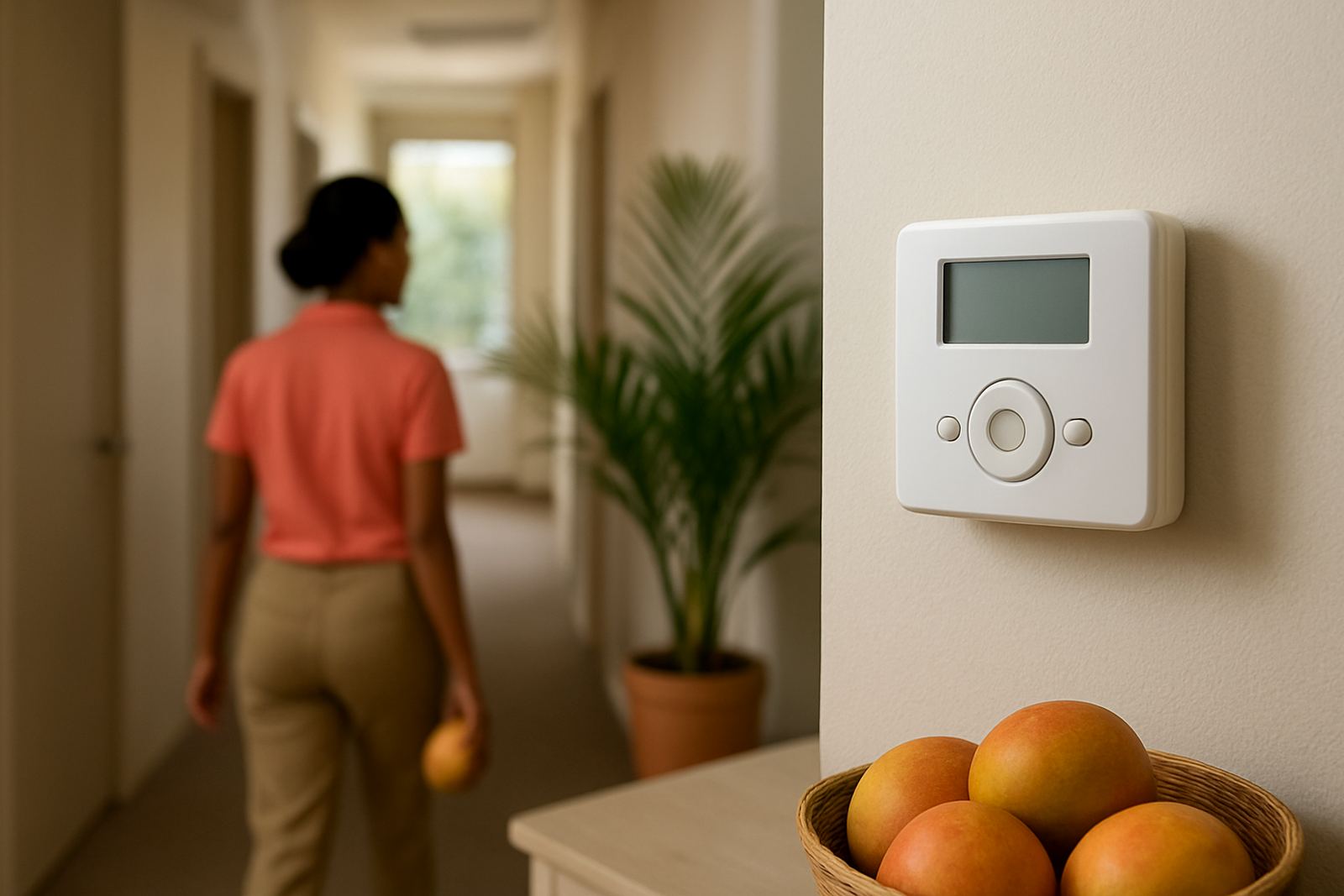
The best wall is usually an internal wall, away from direct sunlight and away from kitchen heat, TV units or server cupboards. You want a spot that reflects normal occupancy, not a corner that gets blasted by a fan or warmed by a printer all day.
- Choose an internal wall where air moves naturally
- Keep it away from windows, skylights and glass doors
- Do not place it next to a supply vent or a return grille
- Avoid areas above fridges, ovens or coffee stations
As a rule of thumb, many thermostats work well at about 1.4 m to 1.6 m above floor level. That is close to the breathing zone for most adults and gives a fair reading of room temperature.
Avoid the common Cape Town heat traps
In Cape Town the afternoon sun can push a room up fast, especially in Bellville, Claremont and Fish Hoek where glass and brick walls hold heat differently. If a thermostat is mounted on a wall that gets direct sunlight, it can think the whole room is hotter than it is and run the system longer than needed.
Coastal humidity is another factor. In areas near the sea, a room may feel warmer and stickier than the actual temperature suggests, so a bad thermostat position can make the system cycle oddly. That is why a shaded, central location is better than the nearest open wall.
- Do not mount above a sunny staircase landing
- Keep clear of areas where sea air and moisture collect
- Stay away from single-room hot spots like kitchens and boardrooms
How thermostat placement affects short cycling and wear
Short cycling happens when a system turns on and off too often. It can happen when the thermostat gets false readings from heat sources, cold draughts or poor positioning. The room never settles properly, the compressor works harder than it should and the user keeps changing the set point.
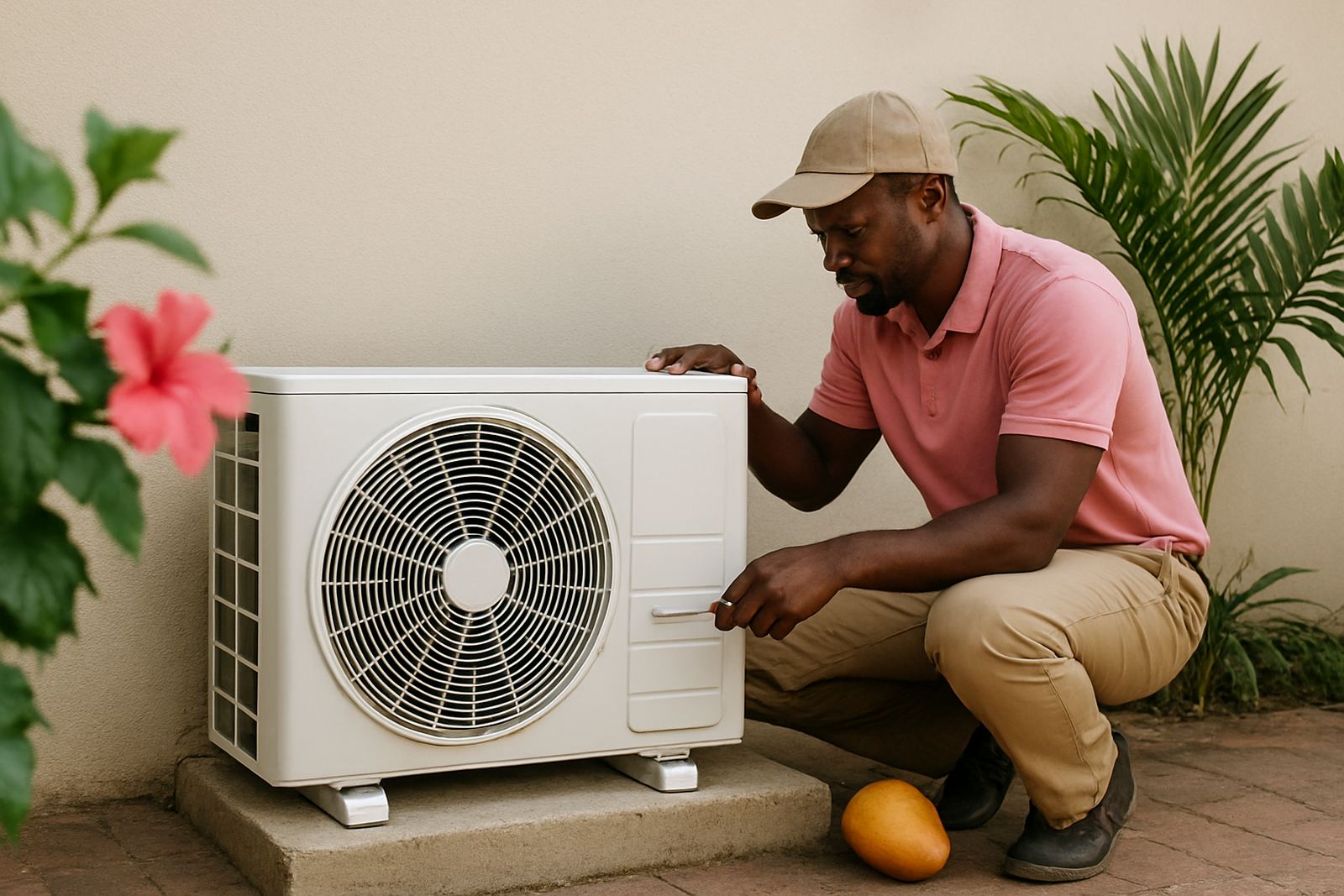
That extra cycling is hard on split units and on commercial refrigeration controls too. In Montague Gardens and other busy industrial areas, we often see systems where the controller was put in a place that made sense for wiring, but not for temperature control. The fix is not just a new setting, it is often a better location.
Practical placement rules for offices and home living spaces
In a living room, place the thermostat where the family actually spends time, but not right beside the sofa if a person sits there all day and blocks airflow. In an office, place it in the main working area, not in the reception door path or inside a small meeting room that is booked only once or twice a week.
If the system serves several rooms, consider whether one thermostat is enough. A single control point cannot always handle a long passage, open-plan lounge and sunroom at the same time. In that case zoning or separate controls may give better comfort and less arguing over the set temperature.
- Keep the area around the thermostat clear by at least 1 m
- Do not hide it behind curtains, shelves or wall art
- Match the control point to the busiest part of the room
- Check that cleaning staff and furniture moves will not cover it later
What to do during load-shedding and after power returns
Load-shedding can confuse people into thinking the thermostat is faulty when the real issue is power interruption. After electricity returns, rooms may take time to recover, especially if doors were opened during the outage. A thermostat placed near a warm entrance can read the recovery badly and keep the unit running longer than needed.
For businesses in Cape Town CBD or Bellville, it helps to note what the room does after each outage. If the unit overshoots or struggles to stabilise, the problem may be the location, not the gas level or the compressor. In some cases a small repositioning gives better control than a full part replacement.
When to ask for a proper site check
If your aircon is cooling unevenly, switching too often or leaving one side of the room too warm, the thermostat position should be checked along with the unit service. The same applies to cold rooms and freezers where the control point is reading the door area or a warm compressor chamber instead of the stored product.
Tropical Refrigeration works across Cape Town and the Peninsula, from Milnerton to Fish Hoek, and we often find that a small control move can save a lot of frustration. A thermostat should be practical, reachable and placed where it reads the room honestly, not where it was easiest to fit the cable. That simple detail can make the whole system behave better, year after year.