Why Cape Town’s Coast Works Hard on Cooling Equipment
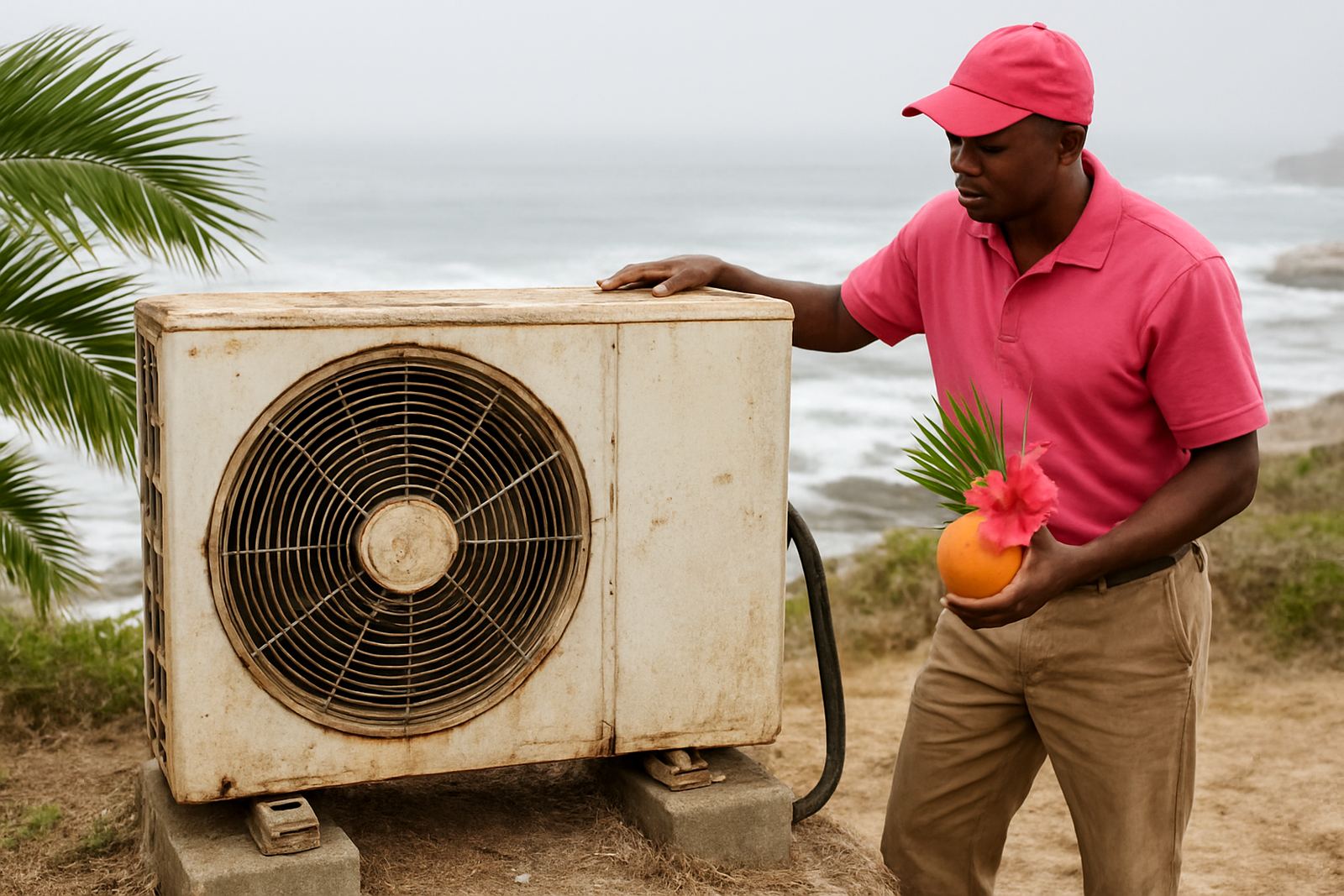
In Cape Town, the difference between a unit in Milnerton and one closer to the beach can be seen in the metal after a single winter. Salt carried on the wind settles on condenser fins, brackets, screws and copper lines, then moisture keeps it active. Over time that mix eats away at paint, weakens fasteners and can leave outdoor units looking older than they are.
We see the same pattern in Fish Hoek, the CBD and parts of Somerset West where wind and damp get into places people do not expect. The first signs are often small: a bit of rust on a bracket, a noisy fan motor, or an outdoor unit that runs hotter than it should. If the equipment is also working through load-shedding and power cuts, the extra starts and stops can add more stress.
Commercial fridges and cold rooms are affected too. A corroded pipe joint, a dirty coil or a failing thermostat can turn into lost stock before anyone spots the cause.
The Early Warning Signs You Should Not Ignore
Most coastal faults do not begin with a dramatic failure. They start with small changes in performance, noise or appearance. Homeowners often notice warmer rooms first, then longer run times and higher electricity use. In shops and restaurants, staff may notice uneven temperatures or a freezer that cycles too often.
- Rust forming on outdoor frames, screws or wall brackets
- White powder or green staining on copper pipework
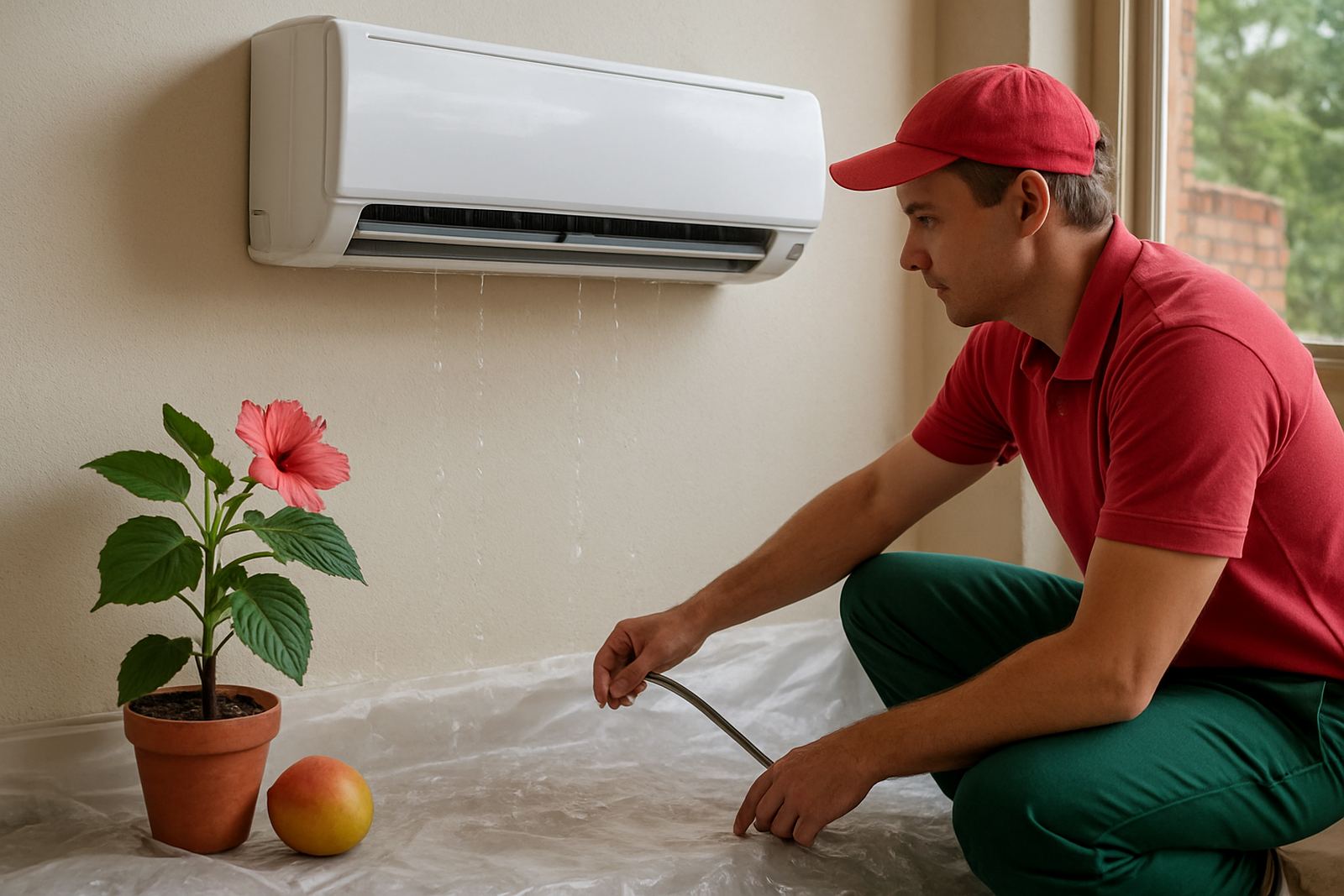
- Water dripping where it should not, especially around drain lines
- Weak airflow from indoor units even after cleaning
- Buzzing, rattling or a fan that starts slowly
- Food not holding temperature in fridges or cold rooms
If you see two or more of these signs together, it is worth booking a proper inspection. A quick look can miss a leak or a failing component that is hidden inside the unit.
What a Proper Coastal Service Should Include
For coastal work, a basic wipe-down is not enough. The outdoor unit needs a proper clean, a check of the electrical connections and a close look at the pipework, insulation and brackets. On older systems, the technician should also check for refrigerant loss, because corrosion can open tiny leak paths that are easy to overlook.
At Tropical Refrigeration, our servicing in Cape Town and the Peninsula is geared for these conditions. We look at the full system, not only the obvious dirt. That means checking airflow, testing temperatures, checking for signs of acid or oil staining, and making sure the drainage is clear so water does not sit where it should not. If there is a fault, we can handle aircon repairs, gas refills, leak detection and compressor replacement where needed.
- Clean the condenser and evaporator coils properly
- Check insulation on refrigerant lines and replace cracked sections
- Test the electrical terminals for heat damage and corrosion
- Inspect brackets, mounting points and wall fixings
- Confirm thermostat response and cycling times
A Local Example from the Cape Peninsula
A small office in Claremont called us after their aircon started tripping more often during hot afternoons. The room had been cooling badly for weeks, but nobody had linked it to the outdoor unit on the shaded side of the building. Once we opened it up, we found salt build-up on the coil, corroded terminals and a weak section on the insulation around the pipe run.
We cleaned the unit, repaired the electrical connections and replaced the damaged insulation. We also checked the gas charge and found a slow leak that would have become a bigger problem over time. After the repair, the system held temperature properly again and the office staff noticed the difference straight away. Not dramatic, just steady cooling and less strain on the equipment. That is usually how these jobs go.
For many properties near the coast, a small fault can look like ordinary wear until the unit starts drawing more power or stops keeping up with the heat.
How To Give Your Unit a Better Chance Near the Sea
You cannot stop sea air from reaching your property, but you can reduce the damage it causes. Simple habits make a real difference, especially for homes and businesses that run aircons most of the year. If a unit is exposed to wind off the bay or installed close to the ground where salt spray lingers, it needs more frequent attention than an inland system.
These steps help keep things in better shape between services:
- Rinse outdoor units lightly when dust and salt build up, but do not use high pressure
- Keep plants, boxes and refuse away from the unit so airflow stays clear
- Do not let condensate water pool under the unit
- Schedule servicing before summer and again after a wet winter if the site is exposed
- Ask for proper brackets and fixings suited to coastal conditions
It also helps to keep an eye on older systems. Once paint is lifting or rust has started, the rate of wear can speed up. A little work on the front end often prevents a bigger repair later.
When It Is Time To Call In a Technician
If an aircon is no longer cooling properly, if you hear new sounds from the outdoor unit, or if you see corrosion on pipework, it is time to book service. The same goes for cold rooms and freezers that are struggling to hold temperature, because those faults can affect stock, health compliance and trading hours. In Cape Town, waiting too long often means a repair becomes a replacement part job as well.
Tropical Refrigeration works from Montague Gardens and serves Cape Town CBD, Milnerton, Bellville, Claremont, Somerset West and Fish Hoek. Our team handles installation, repairs, gas refills, thermostat replacement, ventilation servicing and cold room work across homes, offices and commercial sites. For bookings, email bookings@tropicalrefrigeration.co.za.
Coastal aircons can last well if they are looked after, but they do need more attention than units installed inland. The sooner you catch corrosion, the less it costs to put right.