Why a Clean Filter Matters in Cape Town Homes and Offices
An aircon filter catches dust, pet hair, pollen and fine coastal grime before it moves through the indoor unit. When that filter is clogged, the unit has to pull air through a tighter gap, which can lead to weak airflow, uneven cooling and higher electricity use.
In Cape Town this shows up quickly during long hot spells, especially in offices around the CBD and Milnerton where units run for most of the day. In homes near the coast, salt in the air and fine dust build up faster than many people expect, so a filter that looked fine a month ago can already be holding the system back.
Signs Your Filter Needs Attention
You do not need special tools to spot most filter problems. The clues are usually simple and practical:
- Less air coming out of the indoor unit
- Rooms taking longer to cool
- A musty smell when the unit starts
- Dust settling quickly after cleaning
- Ice forming on the indoor coil or pipes
- The unit running longer than usual
If a system is dripping water or tripping during start up, a blocked filter may be part of the problem but not the only cause. There could be a drainage issue, dirty coil or a refrigerant fault as well, so it helps to get proper fault finding if the symptoms keep returning.
How Often Should Filters Be Cleaned?
There is no single timetable for every property, because usage changes from one place to the next. A small flat in Claremont with one unit will not need the same attention as a busy office in Bellville or a shop in Cape Town CBD that keeps the aircon on all day.
- Homes: every 4 to 8 weeks during regular use
- Offices: every 2 to 6 weeks, depending on foot traffic
- Coastal areas: check more often because salt and moisture speed up build up
- Pet homes or dusty spaces: monthly is a safer starting point
During summer, or when load-shedding leads to repeated switching on and off, a system may collect more grime than expected. If the filter looks grey, fuzzy or caked with dust, clean it even if the calendar says it is still early.
A Simple Cleaning Method That Won’t Damage the Unit
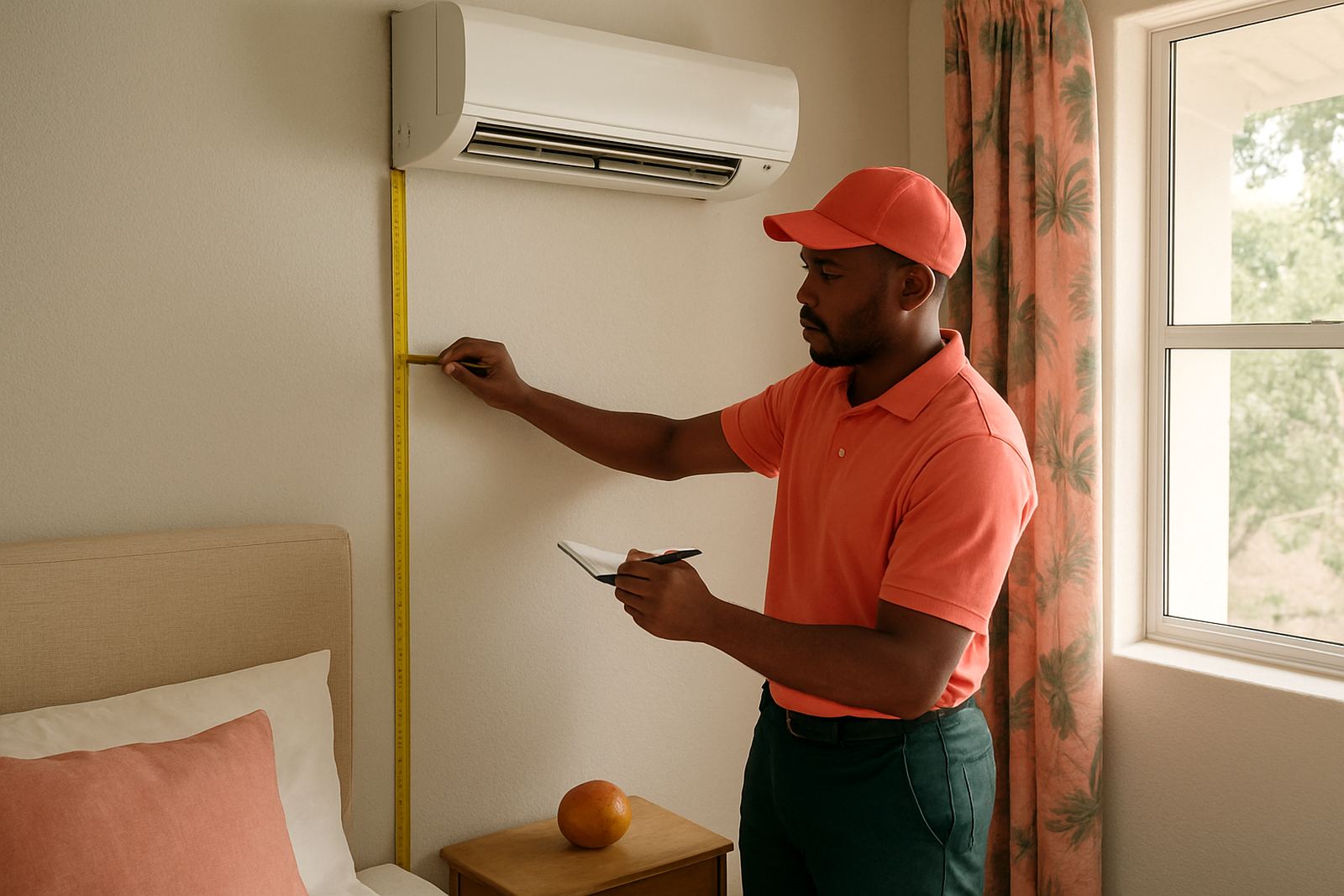
Most washable filters are easy to remove and clean, but the trick is to be gentle. Start by switching the unit off at the isolator or mains supply, not just at the remote. Open the front panel, slide out the filters and take them outside if possible so the dust does not go back into the room.
Use a soft brush or a low-pressure vacuum to remove loose dirt, then rinse the filter with lukewarm water. If it is greasy, a mild soap solution can help, but avoid harsh chemicals because they can damage the mesh. Let the filter dry fully before putting it back. A damp filter can cause a bad smell and may encourage mould in the unit.
If you are in a hurry, do not reinstall it wet just to get cooling back on. That is a small shortcut now and a bigger headache later.
When Filter Cleaning Is Not Enough
Sometimes a cleaned filter only exposes a deeper issue. If airflow is still poor after cleaning, the indoor coil may be dirty, the fan may be struggling or the refrigerant charge may be low. In commercial refrigeration, the same logic applies. A freezer or cold room with blocked air movement can begin to hold temperature poorly even if the thermostat seems fine.
Watch for these warning signs:
- Unit blows warm air after cleaning the filter
- Indoor unit keeps icing up
- Unusual rattling, buzzing or clicking sounds
- Persistent water leaks from the unit
- Breaker trips when the system starts
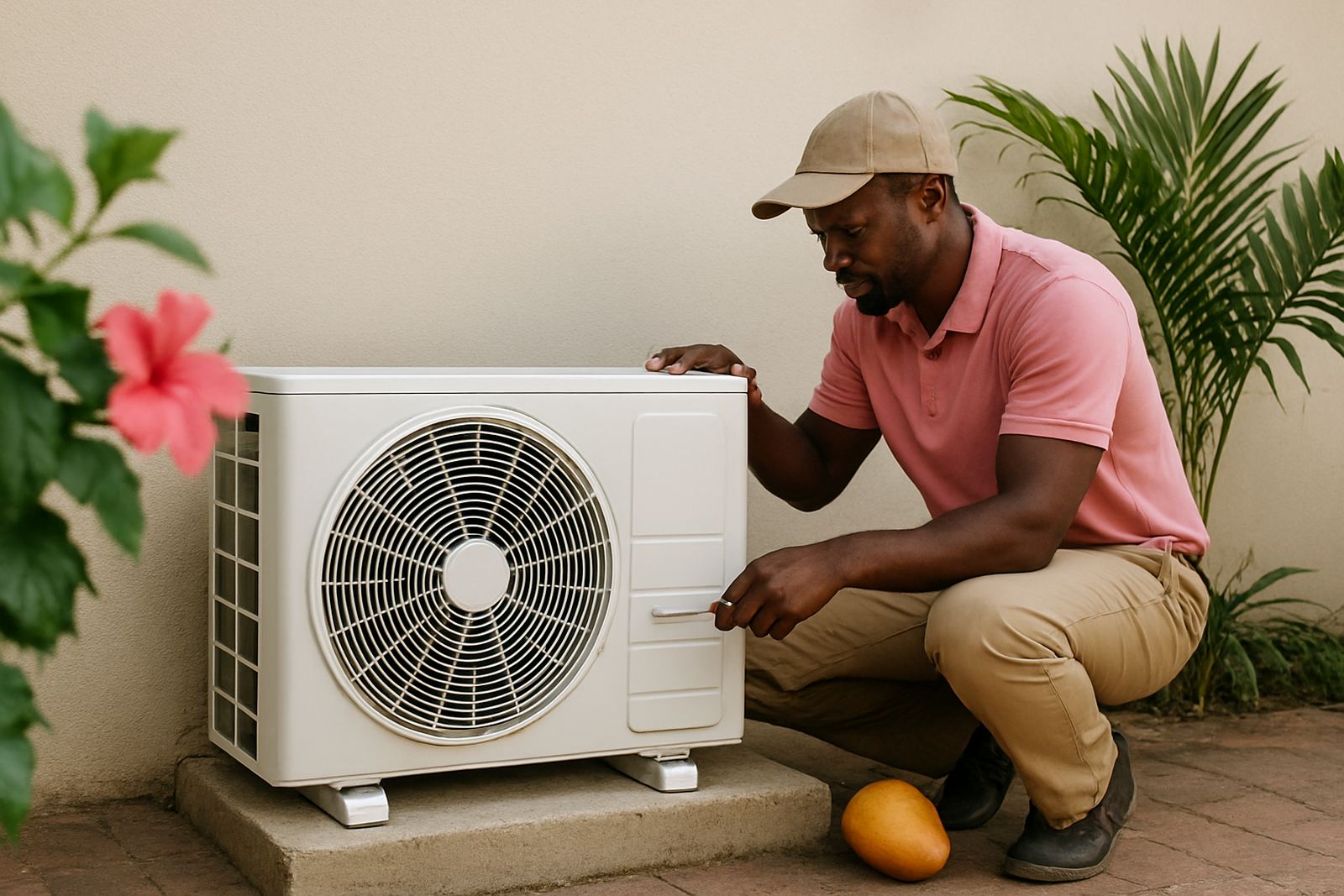
At that point, it is worth getting a technician to check the full system. In many cases the issue can be sorted before it turns into a compressor problem or a bigger repair bill.
Local Example: A Milnerton Office That Was Running Too Hard
We recently dealt with a small office near Milnerton where the staff complained that the aircon was on all day but the room still felt stuffy. The filters had not been cleaned for months and the return air was packed with fine dust from nearby traffic and renovation work. Once the filters were cleaned and the indoor unit serviced, airflow improved straight away and the unit stopped running for such long stretches.
That sort of issue is common in Cape Town because conditions change from one area to the next. A unit in Somerset West may deal with warmer afternoon sun, while one in Fish Hoek has to cope with sea air and moisture. The fix is not always complicated, but it does need a bit of routine attention.
Keep a Small Maintenance Habit and Save Trouble Later
Cleaning filters is one of the easiest maintenance tasks a property owner can stay on top of. It takes a short time, costs little, and can help an aircon or refrigeration system work the way it should. For businesses, that also means less strain on staff, fewer complaints and fewer surprise stoppages during busy periods.
If you want a practical rule, check the filters when the seasons change, then again during the hottest weeks. Add it to your monthly building list, the same way you would check lights, batteries or fire equipment. A few minutes of attention now can keep a system working better through summer and avoid avoidable wear.