Start by making the unit easy to reach
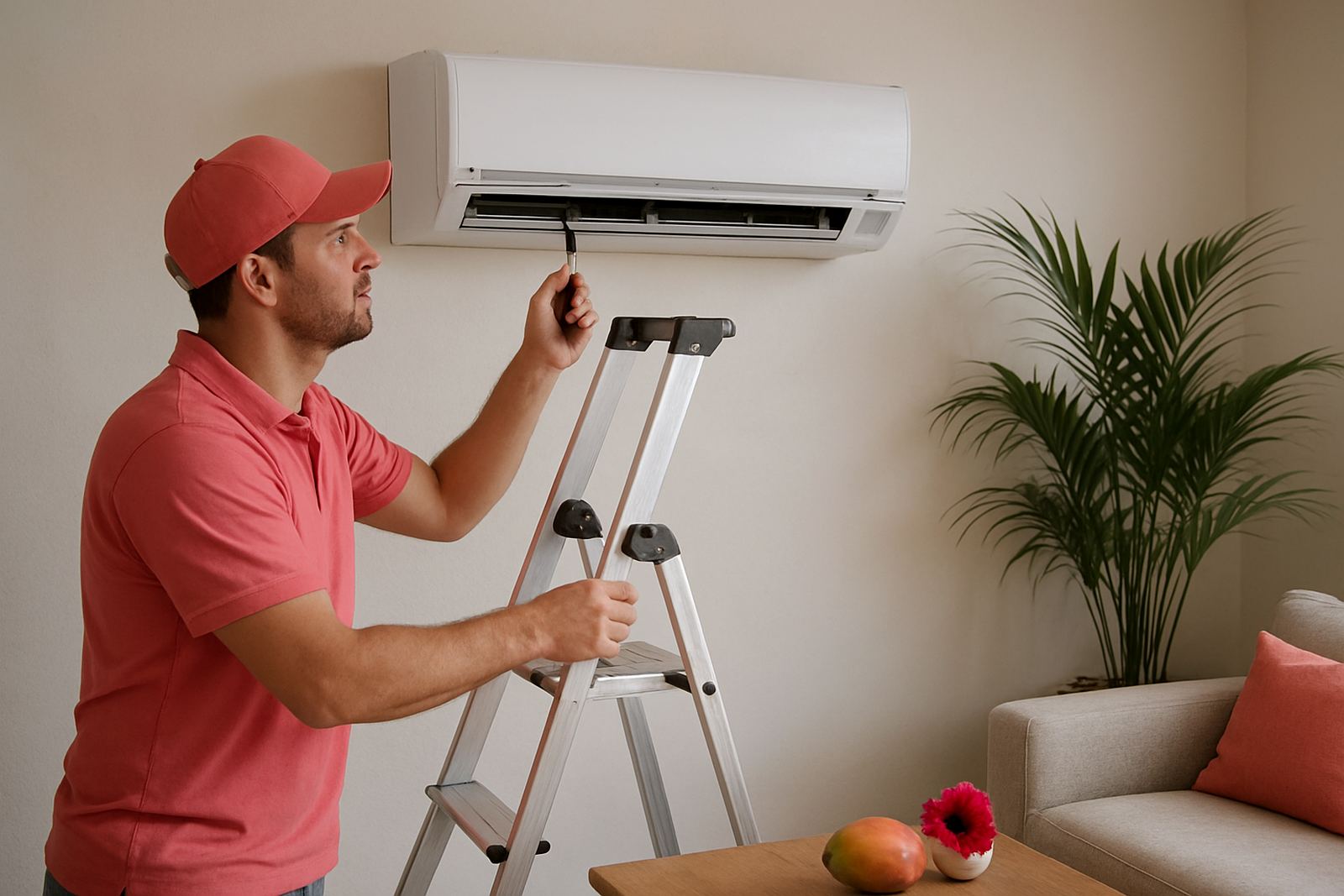
Before the visit, clear the area around the air-conditioner, cold room, freezer or condenser so the technician can get to it without moving furniture, stock or boxed goods. In many Cape Town homes, the wall unit sits above a cabinet or near curtains, and in shops it is often tucked behind shelving. A clear path makes the inspection faster and safer.
If the unit is on a roof, in a ceiling void, or outside in a service yard, unlock gates and make sure access keys are ready. In places like Milnerton, Bellville and Somerset West, we often see delays because the unit is fine but nobody can get to the plant room, roof hatch or locked courtyard. That adds time and can turn a 30 minute job into a longer one.
- Move pot plants, boxes and loose stock away from the unit.
- Leave at least 1 metre of working space if possible.
- Make sure pets are kept inside or in another room.
- If the unit is outdoors, check that the area is dry and safe to walk on.
Switch off the right equipment before we arrive
If you know which unit is being serviced, switch it off before the appointment time unless you have been told to leave it running for a fault test. This helps with safety and gives the technician a clean start. For refrigeration equipment, do not unload the entire cold room unless asked to do so, but do separate any loose items that may block panels, drains or fan covers.
For aircon service work, it also helps to know whether the unit is connected to a dedicated isolator or a DB board breaker. If you are not sure, leave it alone and let the technician handle it. Never force a switch that feels stuck, and do not reset a tripping breaker over and over. That can hide a fault and make it harder to trace later.
- Turn the unit off only if you are sure it is safe to do so.
- Do not open electrical covers or touch wiring.
- Let the office or household know that the unit may be off for a while.
Write down the fault before memory fades
Most service calls go smoother when someone can explain what happened, even if the note is short. Write down when the problem started, what the unit was doing and whether the fault comes and goes. That matters for aircon repairs, gas refills, leak detection and freezer repairs alike. A unit that is weak only in the afternoon, for example, can point to heat load, airflow or gas loss rather than a full breakdown.
Try to include small details like strange noises, smells, water dripping, ice build-up, warm air, or a compressor that keeps cycling on and off. If there was a power cut, load-shedding event or voltage dip before the fault started, mention that too. In Cape Town CBD and the Cape Peninsula, we often see equipment that behaves differently after power interruptions, especially where the machine has been restarted several times.
- Note the date and time the fault started.
- Describe any noise, smell or leak.
- Say whether the problem is constant or intermittent.
- Tell us if there was a power cut or load-shedding event first.
Keep the service history and old parts information handy
If the unit has been serviced before, have the previous paperwork ready. Older records help us see patterns such as repeated gas loss, a thermostat that keeps failing, or a compressor that has been struggling for months. That is especially useful on commercial refrigeration systems where a small recurring fault can turn into product loss if it is missed.
If you know the age of the unit, the approximate gas type, or when the last repair was done, share it with the coordinator before the technician leaves Montague Gardens. Even a simple detail like “the fan motor was replaced last summer” can save time on site. Where a cold room or freezer has had repeated breakdowns, good history also helps us decide whether a repair, component replacement or a more careful leak check makes sense.
- Keep invoices, handover notes and previous service sheets together.
- Share any past leaks, compressor issues or thermostat faults.
- If there is a warranty claim, have the paperwork ready.
Make arrangements for tenants, staff and neighbours
If the service visit is for a rented flat, office, guesthouse or shop, tell the right people in advance. A technician arriving at a locked premises in Claremont or a business that has not told staff about the work can lose a lot of time waiting at the gate. In apartment blocks, it is also useful to let security or the body corporate know if access to a common area, roof or service corridor will be needed.
For commercial clients, plan for a short interruption if the cold room or display fridge must be switched off. Move stock where needed and let kitchen staff know which products should be used first. If you are near a customer area, ask someone to keep the walkway clear. Small steps like this help us work without disturbing trading more than necessary, and keeps everyone safer.
- Tell reception, security or the caretaker about the appointment.
- Warn staff if the unit must be off during testing.
- Move stock that may block access or be affected by warm air.
Check power, water and ventilation before the technician arrives
A surprising number of faults are linked to things outside the unit itself. Check that the power supply is on, the plug is secure and the isolator is not damaged. For split systems, make sure the indoor and outdoor sections both have space to breathe. Coastal humidity in areas like Fish Hoek can also leave corrosion on brackets, drain trays and terminals, so a quick visual check is worth doing before the visit.
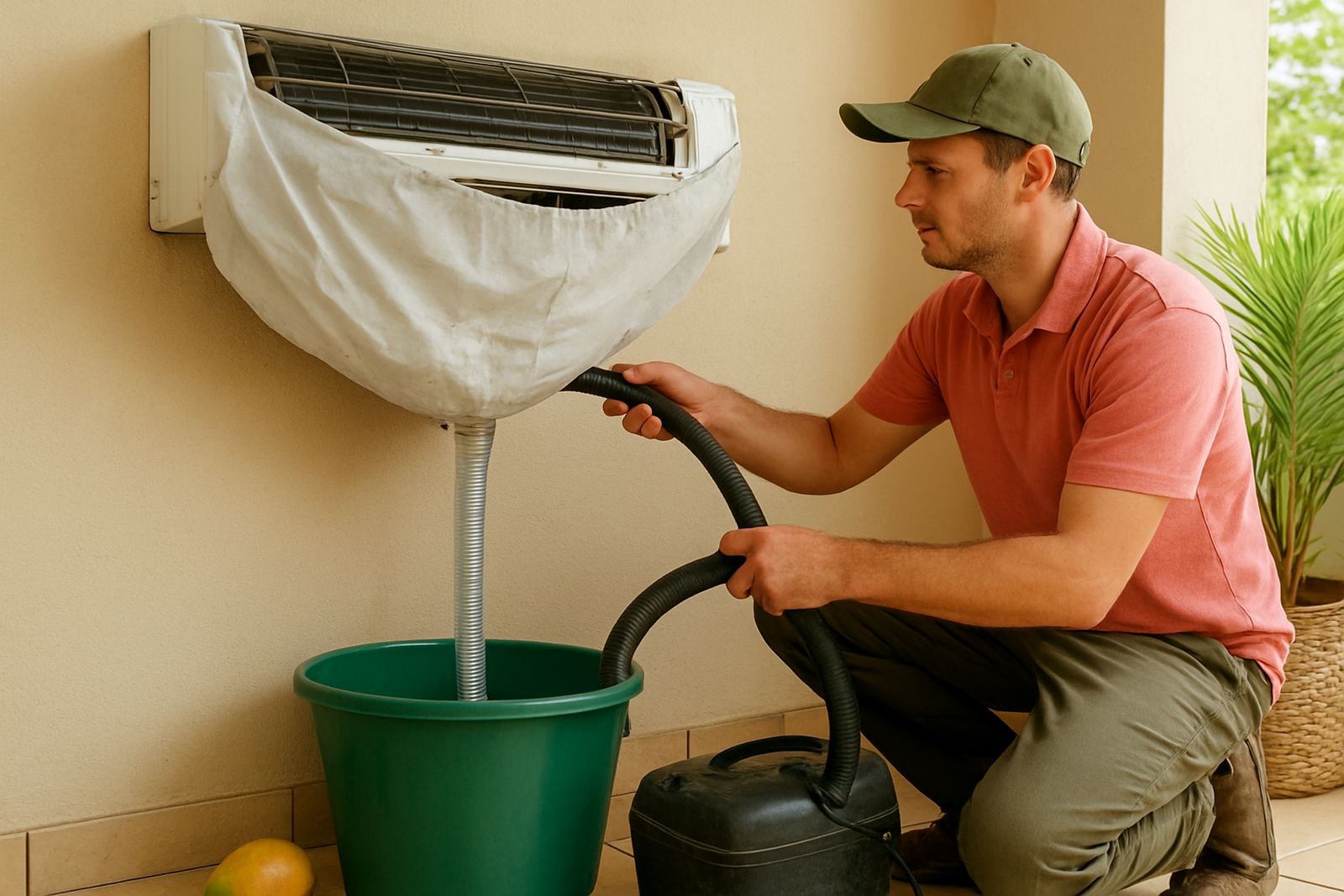
If there is water around the unit, do not ignore it. That may be a blocked drain, frozen coil or a condensate problem. For refrigeration systems, check that vents are not blocked and that the area is not too hot, too crowded or badly sealed. Good airflow matters more than many people think, and it can be the difference between a quick service and a longer fault finding job.
- Confirm the power supply is live and safe.
- Look for blocked vents, damaged drains or standing water.
- Do not place cardboard or packing close to motors and coils.
What to have ready when our team arrives
On the day, keep one person available who can answer questions and show the unit. That person should know where the main switch is, where the access keys are kept and whether there have been any recent changes. If the equipment is on a business site, the nominated contact should also know who signs off the job and where to call if an extra part is needed.
At Tropical Refrigeration, we work across Cape Town from Montague Gardens to Bellville, Somerset West and Fish Hoek, so organised sites make a real difference. When access is ready and the fault details are clear, our technicians can get straight into aircon installation, repairs, gas refills, cold room repairs or compressor replacement with less back-and-forth. That is good for the schedule and better for your day.
- Keep a contact person available during the booking window.
- Have keys, remotes, access codes or permits ready.
- Know who can approve extra work if needed.