What the coils actually do in your system
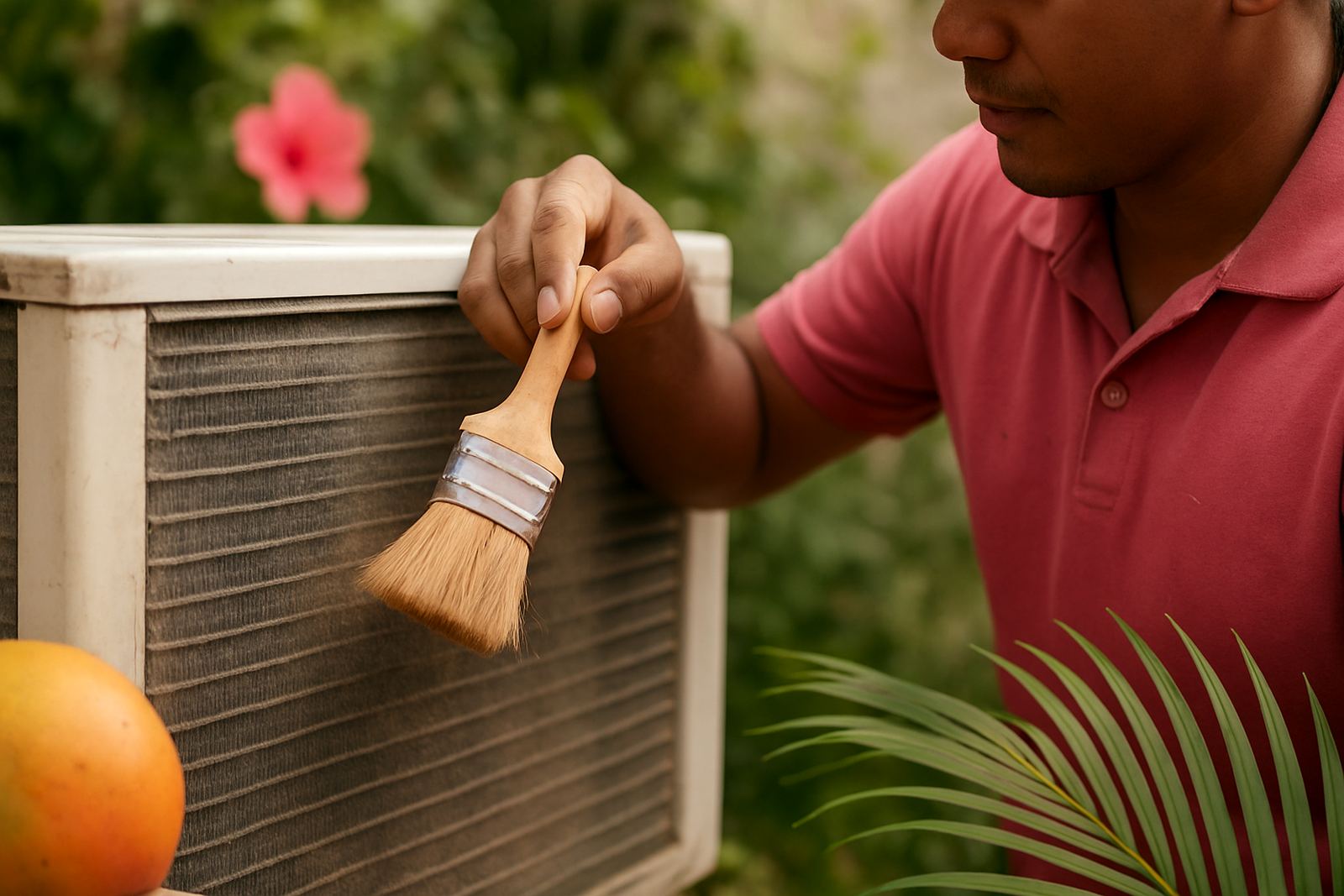
The evaporator coil and condenser coil are the parts that shift heat in and out of the system. In an air conditioner, the indoor coil absorbs heat from the room and the outdoor coil releases it outside. In fridges and cold rooms, the same principle applies, just on a different scale. When those coil fins are clean, air moves freely across the surface and the unit can do its job with less strain.
When coils are coated with dust, grease, pet hair or coastal grime, the metal cannot transfer heat as well. That means the system has to run longer to reach the set temperature. In simple terms, dirty coils make the whole unit work harder for the same result.
Why Cape Town conditions make coil cleaning important
Cape Town systems often deal with a mix of dust, pollen, salt air and day to day indoor dirt. In areas like Milnerton and Fish Hoek, coastal humidity can leave a salty film on outdoor coils. In the CBD and Bellville, traffic dust and commercial airflow can clog fins faster than many owners expect. In Claremont or Somerset West, homes with trees, pets or frequent window use often see the indoor coil pick up fine debris that is hard to spot until the unit starts underperforming.
We see this often in Montague Gardens warehouses and small offices. A unit seems to be running, but the room never gets properly cool and the electricity bill climbs. The problem is sometimes not the compressor or gas level at all. It is a blocked coil that is simply unable to exchange heat efficiently.
Signs your coils need attention now
If you wait until a system trips, freezes or stops cooling, the coil may already be badly affected. There are usually warning signs before that happens, and they are worth acting on quickly.
- Aircon takes much longer to cool the room
- Units run almost constantly without reaching temperature
- Weak airflow even after the filters are cleaned
- Ice forming on the indoor coil or pipework
- Higher than normal power use for no clear reason
- Warm fridge or freezer temperatures, even when the compressor is running
- Musty smells or dirty water dripping from the indoor unit
If you notice one or two of these signs, do not assume the system just needs more gas. Low gas and dirty coils can look similar from the outside, but the cause is often different and needs a proper check.
What dirty coils do to running costs and equipment life
When heat cannot move properly, the system runs longer and switches on more often. That adds strain to the compressor, fan motors and electrical components. Over time, the extra load can shorten the life of the unit and lead to avoidable breakdowns. A coil that is badly clogged can also cause freezing, poor drainage and noisy operation, which then creates more callouts and more repair work.
For commercial refrigeration, the effect can be costly. A freezer or cold room with dirty coils may struggle to hold safe product temperatures, especially during load-shedding when the system needs to recover quickly after power comes back. If the machine is already struggling, each outage becomes harder on the equipment and on stock.
- Cleaner coils usually mean shorter run times
- Shorter run times can help lower electricity use
- Less strain may reduce wear on the compressor and fans
- Better heat transfer helps the system reach set temperature properly
How often coil cleaning should be done
There is no single answer that fits every property. A home in a quiet area may need less frequent service than a shop kitchen, salon, office or cold room. As a general guide, indoor aircon coils should be checked and cleaned at least once a year, while outdoor units in dusty or coastal areas may need attention more often. Commercial refrigeration coils often need tighter maintenance schedules because they carry a heavier load and run for longer hours.
If a property is near the coast, has pets, or sees a lot of foot traffic, the interval should be shorter. In busy commercial spaces, a quarterly check can prevent small issues from turning into breakdowns. It is better to clean a coil before it is choked with dirt than after the unit has been pushed too hard for months.
A practical Cape Town example from the field
We were called to a small office in the CBD that complained about one side of the space staying warm even though the aircon had been serviced not long before. The team had already checked the filters and thermostat. On inspection, the outdoor coil was packed with fine dust and the indoor coil was blocked with a light layer of dirt and paper fibres from nearby office work. The system was running, but it was fighting to move heat out of the room.
After coil cleaning and a proper system check, the unit recovered its normal cooling performance and the run time dropped. The staff noticed the difference that same day. It was not a major parts replacement, just maintenance that had been left too long. That is the point with coils: when they are ignored, the system pays the price.
For homes and businesses across Cape Town and the Cape Peninsula, regular coil cleaning is one of the most practical ways to protect comfort, control electricity use and avoid unnecessary repairs. If your unit is running longer than it should or cooling less than before, start with the coils before you assume the worst.