Start With the Filter Before You Blame the Gas
The first thing we check on a warm day in Cape Town is the filter. A clogged filter slows the airflow, so the unit may sound normal while the room stays sticky and warm. In a home in Milnerton or a small office in the CBD, this is often the reason people think the gas has run out when it has not.
Dust from nearby roads, pet hair, and even a bit of building work can block the return air quickly. If the unit has to push air through a dirty filter, the coil gets colder than it should and can start icing up. Once that happens, cooling drops fast and the fan may start blowing weak air.
- Check the filter every 2 to 4 weeks in summer.
- Wash reusable filters with clean water and let them dry fully.
- If the filter is torn or warped, replace it.
- If the unit is still weak after cleaning, there is probably another fault.
Blocked Coils and Dirty Outdoor Units Cut Cooling Fast
Many cooling complaints start at the outdoor unit. If the condenser coil is packed with dust, pollen or leaves, the unit cannot release heat properly. On a hot afternoon in Bellville or Somerset West, that extra strain is enough to make a room feel like it is never reaching the set temperature.
Coastal humidity can also leave a film on the coil, and that sticky layer catches more dirt. We often see outdoor units mounted in tight corners, near walls or under roof eaves, where air cannot move freely. That is a common setup in flats, shops and townhouse complexes, and it causes problems when the unit runs for long hours.
- Keep at least 300 mm of clear space around the outdoor unit where possible.
- Trim back plants and remove loose debris.
- Do not hose the unit with high pressure, it can bend the fins.
- Book a proper coil clean if the unit keeps overheating.
Low Gas Is a Symptom, Not the Full Story
People often ask for a gas refill, but refrigerant does not get used up like petrol. If the gas is low, there is usually a leak somewhere in the system. That leak might be a loose flare joint, a cracked pipe, corrosion on the copper line or a coil pinhole that has formed over time.
Low gas causes weak cooling, longer run times and sometimes ice on the indoor pipework. You may hear the compressor running for ages while the room still feels warm. In many Cape Peninsula homes, especially older installations, the issue is worsened by age, vibration and exposure to sea air.
A proper gas refill should only happen after leak detection and repairs. Topping up without finding the leak is a short term fix, and the system will be back to the same problem again, usually when the heat is at its worst.
Electrical Faults Often Show Up as Poor Cooling
When an aircon is getting power but not cooling properly, the fault may be electrical. A weak capacitor, failing contactor, loose wiring or a control board problem can stop the compressor from starting correctly. Sometimes the unit switches on and off, sometimes the fan runs but the compressor stays silent.
Load-shedding adds another layer of stress. Repeated power cuts and surges can damage sensitive parts, especially on older systems. After an outage, the aircon may still start but cycle badly, trip the breaker or take longer than usual to cool the space.
- If the breaker trips more than once, stop resetting it and get the unit checked.
- Listen for clicking, humming or repeated starting attempts.
- Check whether other appliances are also affected by the same circuit.
- Do not keep forcing a faulty unit to run, it can damage the compressor.
Poor Installation Can Make a New Unit Feel Weak
Sometimes the aircon is not failing at all, it was never sized or installed correctly. If the room is too large for the unit, if the insulation is poor, or if the indoor and outdoor units are badly positioned, the system will struggle from the start. We see this in open-plan offices, sun-facing rooms and shopfronts with glass that heats up fast.
Short pipe runs, blocked airflow and poor drainage also affect performance. A unit that is installed too close to a ceiling or curtain may recirculate warm air instead of pulling in fresh room air. That means it works harder and cools less, which is frustrating for the client and hard on the machine.
In Cape Town, we also consider wind, salt exposure and where the condensate can drain without causing damp patches or complaints from neighbours. A good installation should work in the real building, not just on paper.
A Local Example from a Milnerton Office
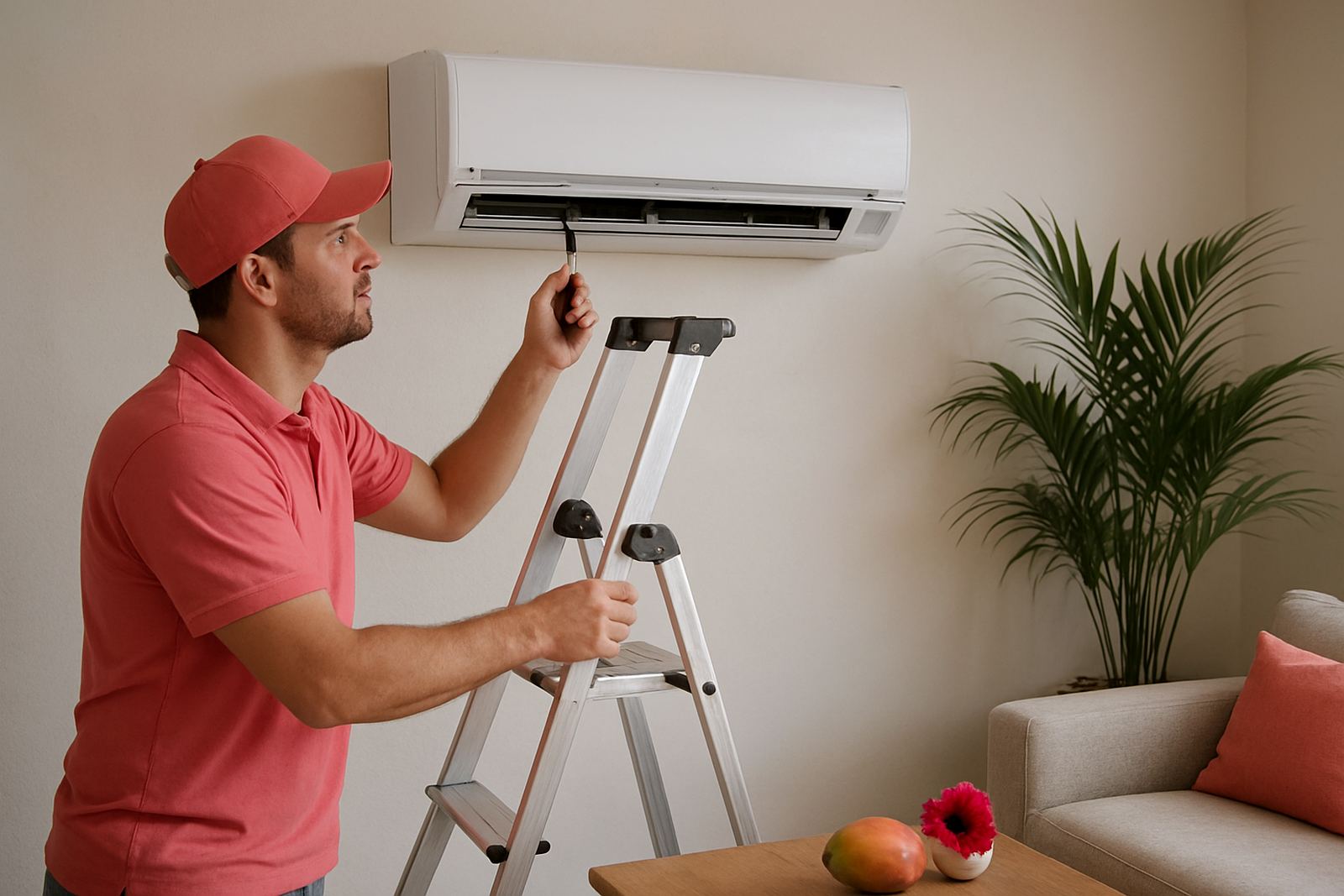
We recently attended a small office in Milnerton where staff said the aircon was blowing but the room stayed stuffy by lunch time. The filter was dirty, the outdoor coil was coated in dust, and the unit had a small refrigerant leak at a flare joint. The staff had been switching it off and on during load-shedding, which only made the fault easier to notice.
After cleaning the filters, repairing the leak and doing a proper gas refill, the unit was back to normal. The change was immediate, but the bigger lesson was simple: cooling problems usually build up in stages. A unit does not fail overnight, it gives warning signs first.
If you know what to listen for, you can catch the issue before the next heatwave. Weak airflow, ice on the pipe, longer run times and a warm outdoor unit are all clues worth acting on early.
What to Do Before Calling for Repair
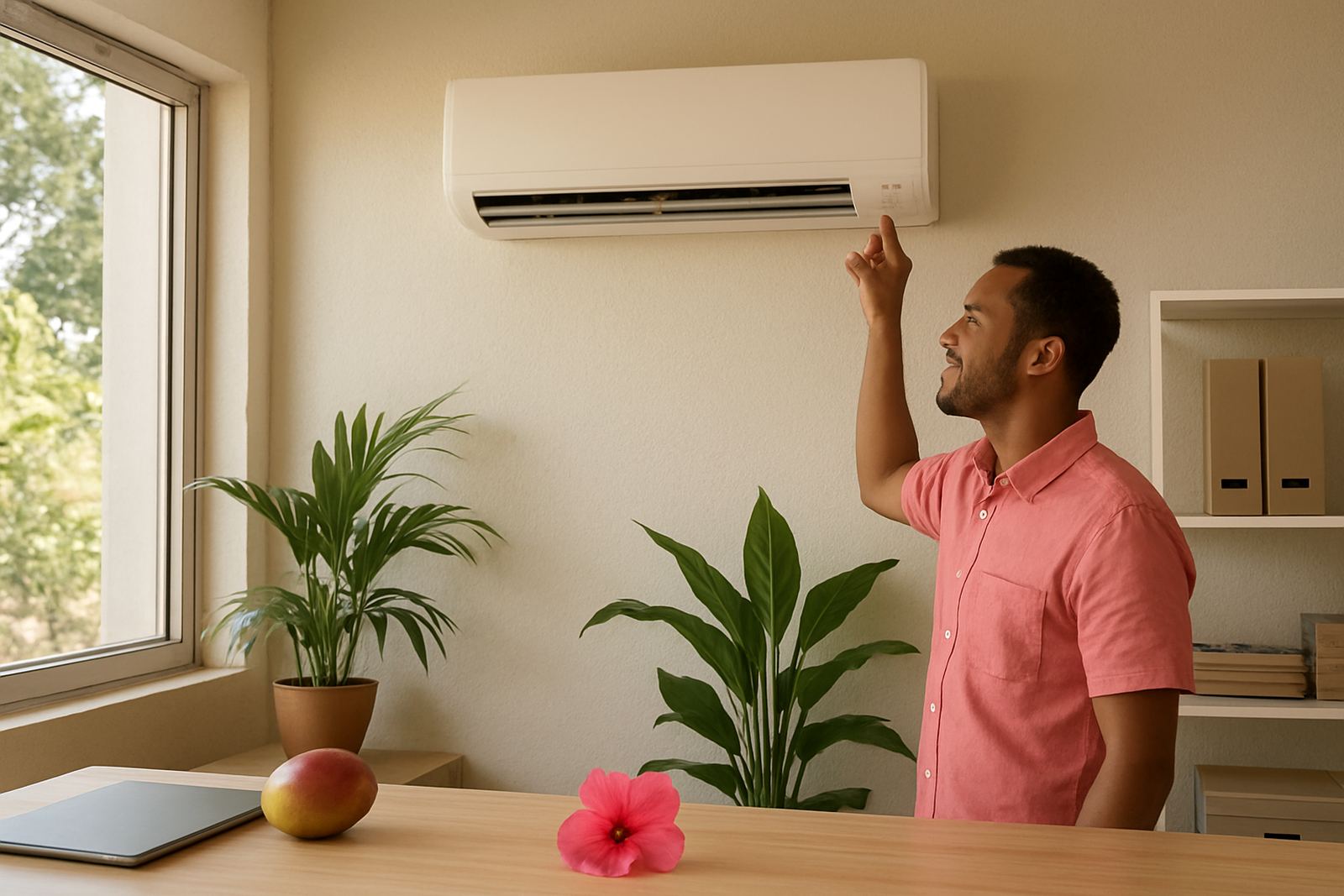
There are a few safe checks you can do before booking a technician. These take only a few minutes and can save time on the callout. If the unit still does not cool after these checks, it is time for a proper inspection.
- Set the temperature to 20 to 22 degrees and wait 10 to 15 minutes.
- Make sure windows and doors are closed.
- Check whether the filter is clean and seated properly.
- Look for ice on the indoor unit or pipework.
- Confirm the outdoor unit is running and not blocked.
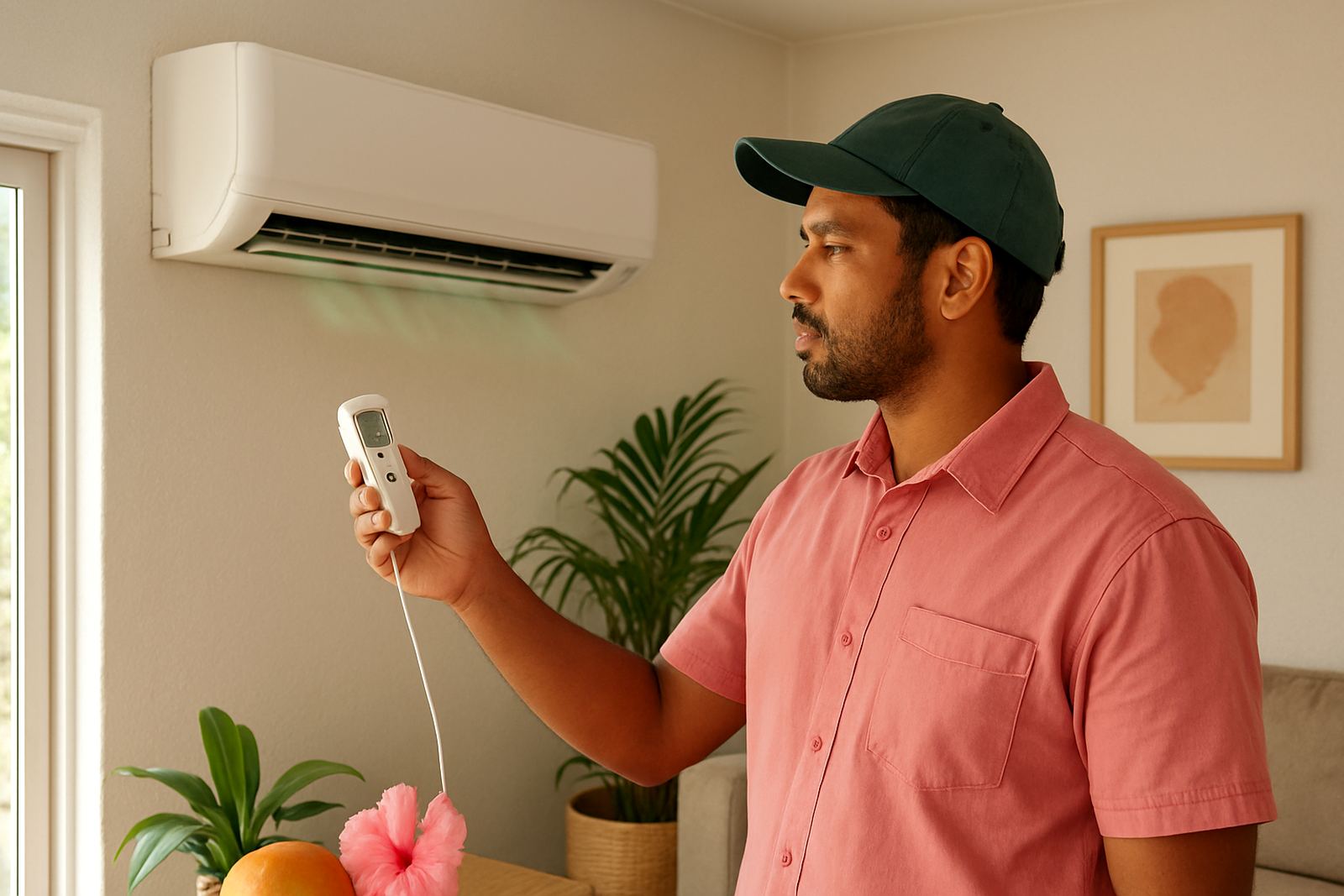
If you are in Cape Town CBD, Claremont, Fish Hoek, Bellville, Somerset West or nearby areas, Tropical Refrigeration can check the fault, repair leaks, replace failed parts and restore cooling properly. For homes, offices and light commercial spaces, the right repair depends on finding the cause first, not guessing.