Why guest rooms need plain, easy controls
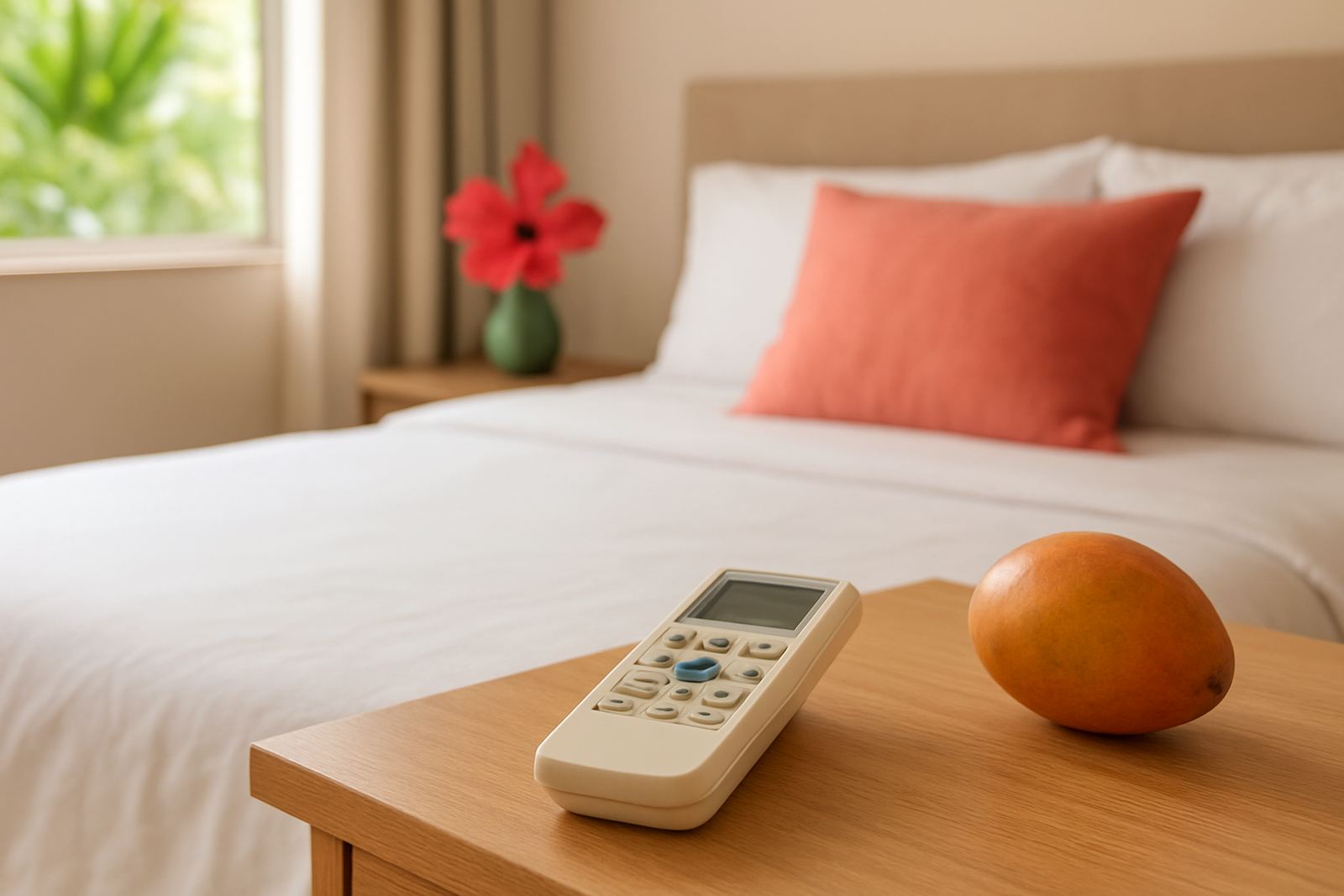
Guests do not want to study a wall panel before they can cool a room or switch on fresh air. They want a clear temperature control, a visible on and off point, and maybe one or two basic fan settings. If the system is too complicated, guests either leave it off, run it flat out all night, or call reception because they cannot make sense of it. That is when energy gets wasted and the room still feels wrong.
In a guesthouse, the aim is steady comfort without constant adjustment. A room in the Cape Town CBD may need cooling after a sunny afternoon, while a room in Fish Hoek might need more ventilation to handle coastal humidity. Simple controls help staff set a sensible baseline and let guests make small changes within that range.
Set a sensible temperature range for Cape weather
One of the easiest ways to save power is to prevent extreme settings. In most guest rooms, a cooling range around 22 to 24 degrees works well for overnight comfort. For winter heating, 20 to 22 degrees is usually enough. If you let guests set 16 degrees in summer or 28 degrees in winter, the unit works harder than it needs to and the room often swings too far the other way.
For Cape Town guesthouses, especially those near the coast, humidity matters as much as temperature. A room in Milnerton or Somerset West may feel sticky even when the air is not very hot. In that case, the aircon should be allowed to run long enough to remove moisture, not just blast cold air for ten minutes and switch off. That is where a well set control usually works better than a very low setting.
- Use a fixed comfort range instead of letting the thermostat run to extremes.
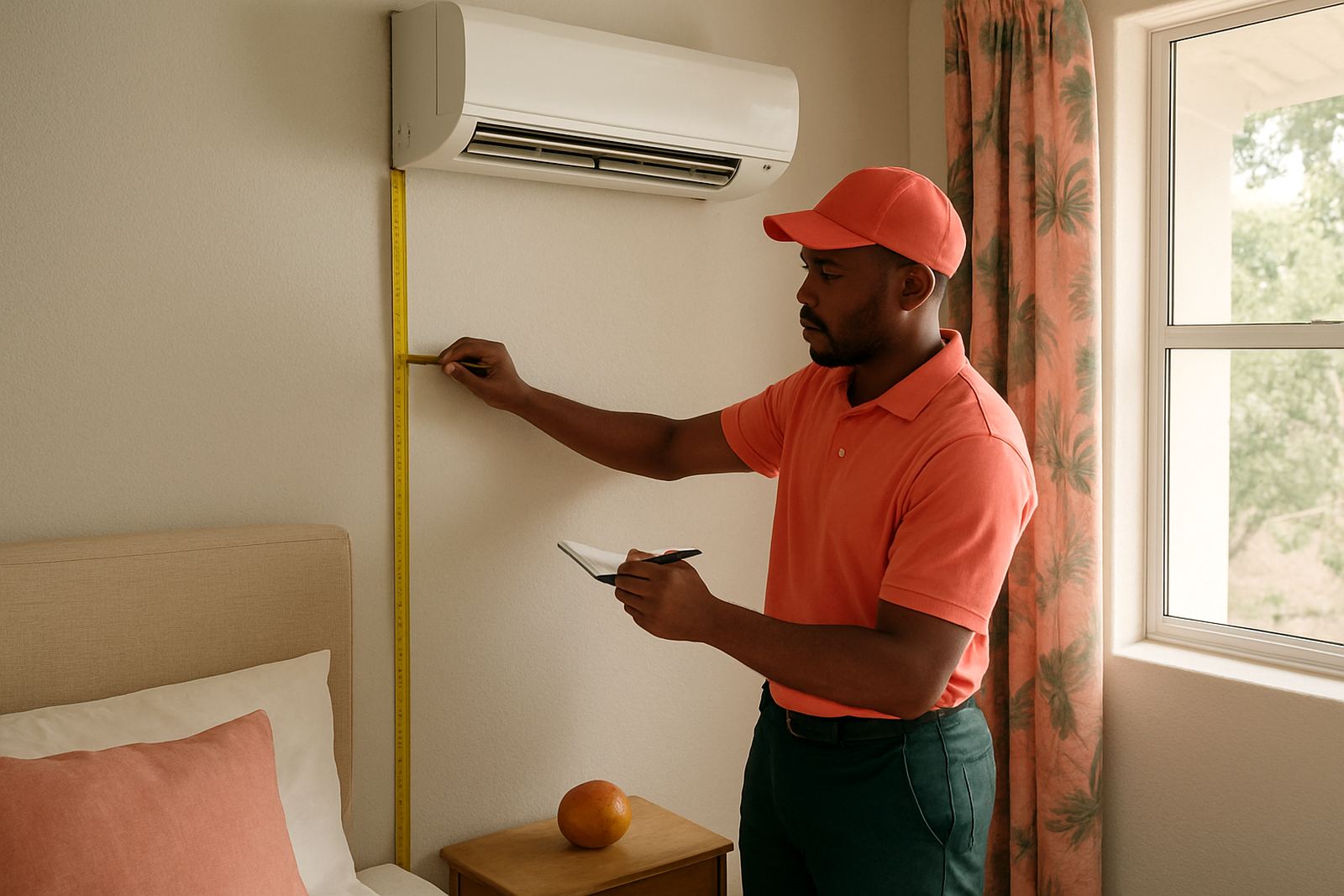
- Place the control where guests can see it, but not where the sun hits it.
- Make the instructions short and clear, ideally with 3 or 4 simple steps.
- Check that the room sensor is not blocked by curtains, luggage or a wall hanging.
Make switching and timers guest friendly
Rooms that turn systems on and off automatically can save a lot of electricity, but the timing must suit how guests actually use the space. A visitor arriving late from the airport in Cape Town does not want to wait an hour for the room to cool. Likewise, a room that shuts off every time a key card is removed may come back stuffy and take too long to recover.
A better approach is to combine basic guest control with a sensible timer or setback setting. The system can reduce output when the room is unoccupied, then return to a comfortable level before check in or after cleaning. In smaller guesthouses, this can also help during load-shedding because the unit does not surge back on too aggressively when power returns.
- Use timers for empty rooms, not for occupied ones with active bookings.
- Allow a short delay before restart to protect the compressor.
- Keep a manual override for staff when a guest reports a problem.
- Test every control after a power cut because clocks and presets often reset.
Ventilation matters as much as cooling
Many guest rooms feel uncomfortable not because they are too warm but because air is stale. A bedroom with a closed window, heavy curtains and no air movement can feel worse than a slightly warmer room with proper ventilation. That is why a good room setup should include a way to move air without making the unit fight against open doors or gaps that let in hot outside air.
In Cape Town, especially in older buildings or converted homes in Claremont and the CBD, poor ventilation can lead to damp smells, stuffy mornings and mould around ceilings or window frames. Regular ventilation servicing helps keep fans, ducts and filters clear so the room does not build up dust or moisture. If a guesthouse has bathrooms close to bedrooms, extraction should also be checked so steam does not move into the sleeping area.
How staff can spot waste before guests complain
Guesthouse teams often notice a problem before the guest does, if they know what to look for. A room that cools slowly, a unit that makes unusual noises, or a thermostat that keeps resetting can all point to a larger issue. In many cases the fix is simple, but leaving it for weeks can lead to higher bills and a colder or hotter room than intended.
It helps to include room control checks in the daily room round. That means looking at the set temperature, checking whether the remote is present, and making sure filters are clean. If a room near the sea starts taking longer to cool, there may be a salt and dust build-up on the coils or a small refrigerant leak. Catching that early avoids a bigger repair later on.
- Check for blocked filters every week in busy periods.
- Listen for short cycling, rattling or hissing sounds.
- Confirm that room controls still respond after power interruptions.
- Log guest complaints by room number so repeat faults stand out.
A local example from the Cape Peninsula
Take a small guesthouse in Somerset West with six rooms facing the afternoon sun. The owner may think the problem is not enough cooling, when the real issue is that every room is set differently and one thermostat sits above a lamp. By moving the controls to a better position, cleaning the filters, and limiting the temperature range, the rooms often become more stable without changing the entire system.
Another common case is a coastal property in Fish Hoek where guests keep turning the unit down because the room feels damp. After a proper service, the unit removes moisture more effectively and the guest no longer needs to run it hard all night. That saves electricity, reduces wear on the compressor and makes the room easier to manage during busy weekends.
When to call for a proper inspection
If guest room controls are hard to read, if the same room keeps overheating, or if the unit runs all night without reaching the set point, it is time for a proper inspection. A technician can check refrigerant levels, test thermostats, inspect drainage and make sure the system suits the room size. In some cases the answer is a gas refill, but often there is also a control fault, a blocked filter or a fan issue that needs attention.
Tropical Refrigeration works across Cape Town and the Cape Peninsula from our Montague Gardens base, helping guesthouses, small hotels and home stays keep rooms comfortable without unnecessary waste. From aircon repairs and gas refills to leak detection, thermostat replacement and ventilation servicing, the key is to fix the cause not just the symptom.
If your guest rooms are difficult to manage, a practical service plan can make them easier for guests and staff alike.