Why the restart matters more than the outage
When power drops out and comes back hard, an aircon or cold room does not always resume as if nothing happened. Controls can trip, compressors can start against pressure, and fans may come back on out of sequence. In Cape Town, where some areas can see a few interruptions in one day, that adds up quickly.
We see this often in homes, shops, offices and storage spaces around Montague Gardens, Bellville and the CBD. A unit that was working on Friday can begin making noise, blowing weak air or running longer than normal by Monday. In refrigeration, even a small delay in recovery can push product temperatures up and shorten shelf life.
The main issue is not only the cut itself. It is the sudden restart, especially if the system was already dirty, low on gas or struggling with poor airflow. That is why a post-load shedding check is worth doing before a small fault becomes a bigger one.
What usually goes wrong after repeated power cuts
After several outages, the symptoms are often easy to miss at first. A room may just feel slower to cool. A freezer may cycle more often. An office unit may make a humming sound before starting properly. These are the early signs that the system needs attention.
- Tripped breakers or overloads after the supply comes back
- Loose contactors or damaged start components
- Fan motors running but compressor not starting
- Low gas pressure from a small leak that only shows under load
- Blocked filters and dirty coils making the restart harder
- Water leaks after thawing and refreezing around the drain line
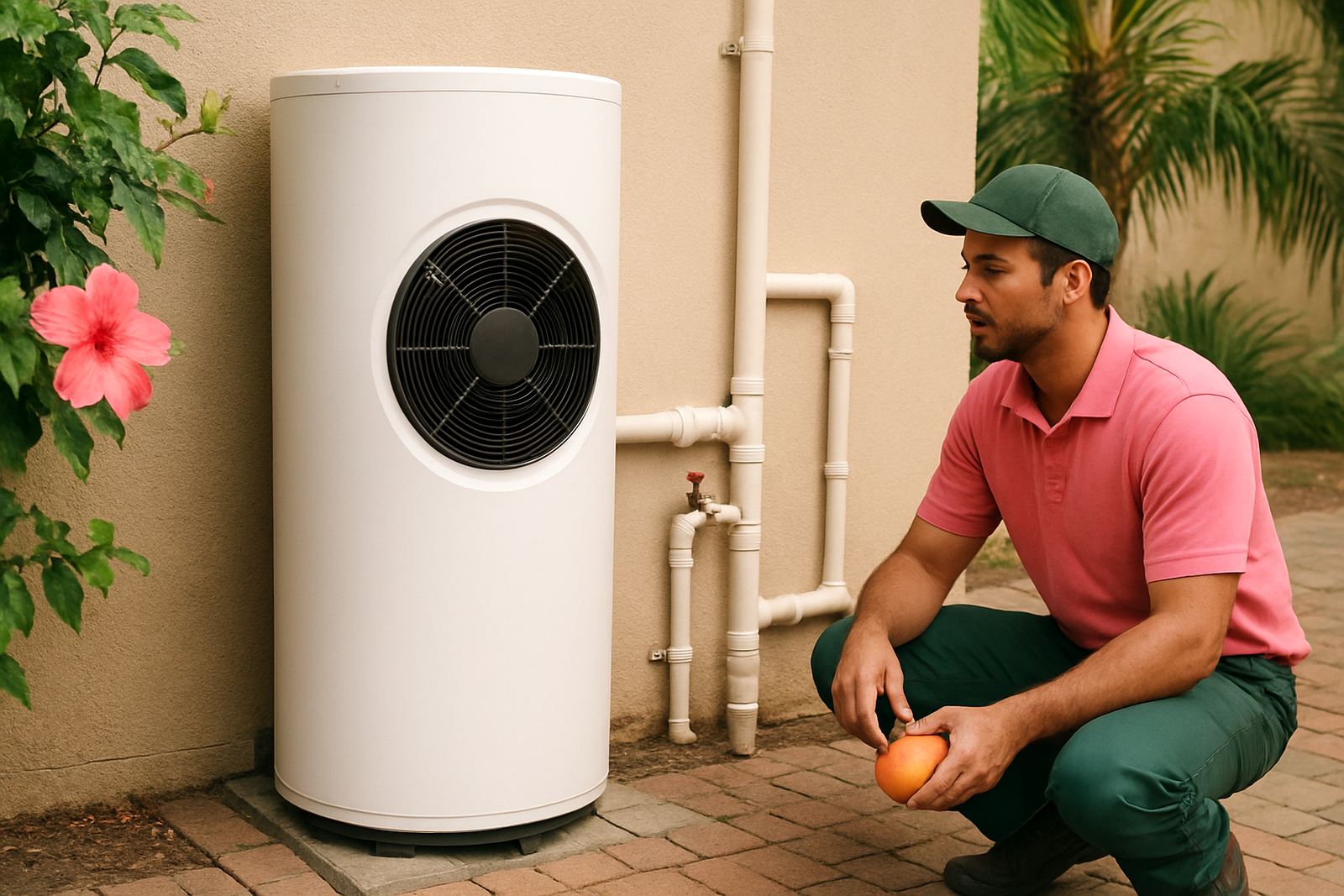
In coastal areas like Fish Hoek and Somerset West, humidity can make the problem worse. Salt air and damp conditions put extra pressure on outdoor units and electrical parts, especially if the equipment is already overdue for a service.
Signs your system needs a check now
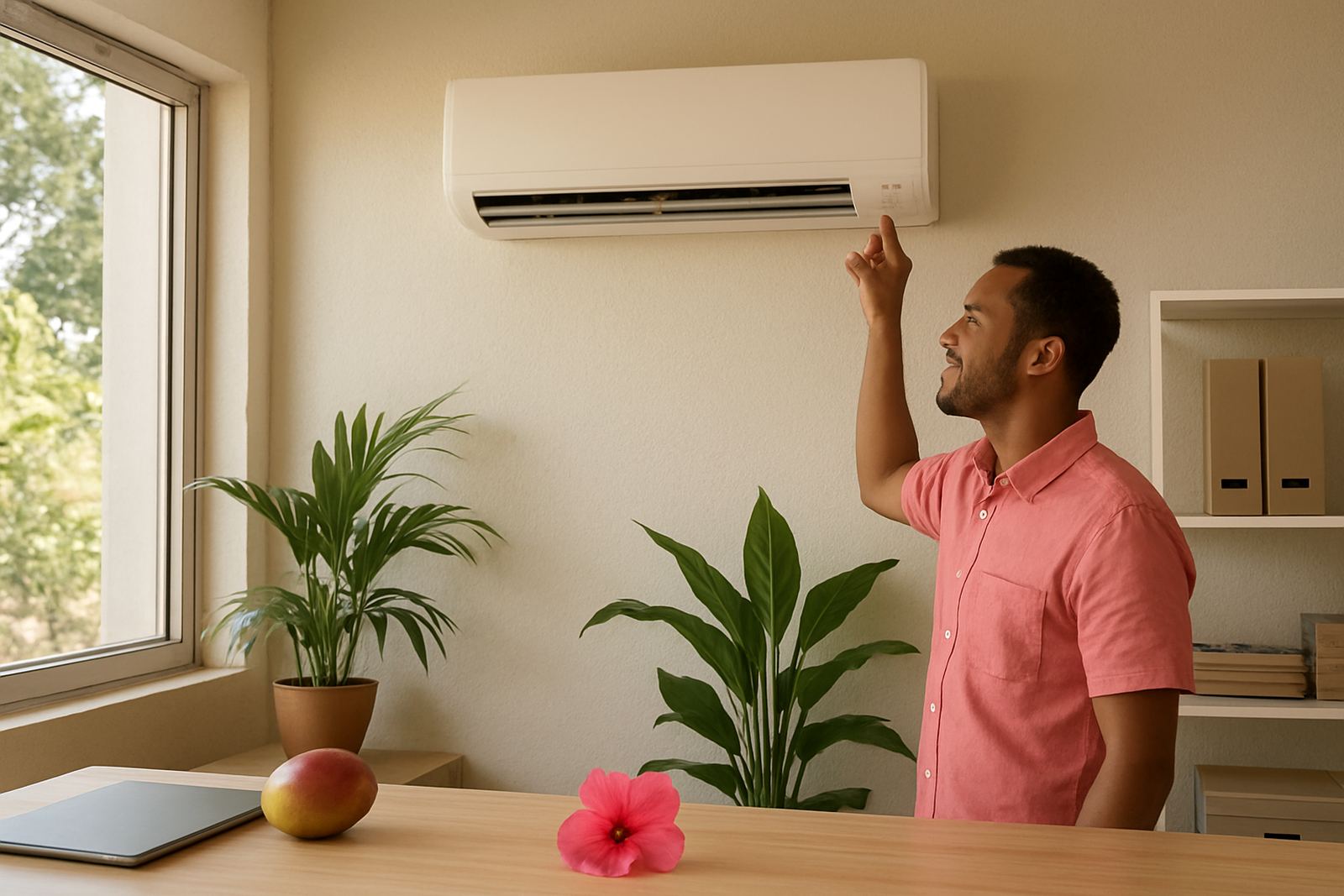
You do not need to wait for total failure. If the unit starts behaving differently after a power cut, it is telling you something. On aircons, look for uneven cooling, short cycling, warm air from the vents or a remote that shows normal settings but no real cooling. On refrigeration equipment, watch for higher cabinet temperatures, frost where it should not be, or compressors that seem to run too long.
- New rattling, clicking or buzzing on start-up
- Weak airflow from indoor units or vents
- Bad smells after restart, often from wet filters or stagnant drain lines
- Food or stock not holding temperature as before
- Repeated tripping on the same circuit
If the same fault comes back after each outage, it usually means there is an underlying issue. A proper inspection can identify whether the problem is electrical, mechanical or related to gas levels and airflow.
What a proper post-outage inspection should cover
A quick switch-on is not enough. A careful technician will check the full system, not just the symptom. That includes electrical connections, capacitors, pressure readings, drain flow, fan operation and the general condition of the coils and filters.
For commercial refrigeration, the check should also include door seals, thermostat performance, evaporator frost pattern and compressor load. If the temperature recovery is slow after a restart, the fault may be hiding in one of those parts rather than in the cold room itself.
Our team at Tropical Refrigeration works from Montague Gardens across Cape Town and the Peninsula, so we see the same pattern in homes, offices and trading spaces. A system that gets checked early often needs only a service or a small repair, not a full replacement.
Simple steps before you call a technician
There are a few practical things you can do after the power comes back. They will not fix a fault, but they can help prevent more damage and make the next check faster.
- Leave the unit off for a few minutes if the supply was unstable
- Make sure the isolator and breaker are on, and reset only once
- Check that filters and vents are not blocked by dust or packaging
- Look for water around the indoor unit or under a freezer
- Note any error lights, strange sounds or temperature changes
Do not keep restarting a unit that is clearly struggling. That habit can damage compressors and control parts. If the breaker keeps tripping, the safest move is to stop using the system and get it tested properly.
A local example from a busy week in Cape Town
During a run of outages in Bellville, one small office called because their aircon was running but the room would not cool properly. The unit had been switched on and off several times in one afternoon. On inspection, the capacitor was weak, the filters were clogged and the outdoor coil was packed with dirt. None of it looked dramatic, but together it made the restart much harder than it should have been.
After the service, the unit cooled normally again and the staff could work without the place feeling stuffy. That is usually how these jobs go. The problem is not always the outage itself, it is the strain that follows when a system is already under pressure.
When to book repairs, servicing or gas refill work
If the unit is only slow to recover, a service may be enough. If there is weak cooling, repeated icing, or signs of a leak, then leak detection and an aircon gas refill may be needed after the fault is fixed. For cold rooms and freezers, compressor replacement or thermostat replacement may come into play if the restart has exposed a bigger weakness.
In commercial spaces, it is better to act before trading hours start than to lose product or comfort during the day. We also handle ventilation servicing where airflow is part of the problem, especially in enclosed premises that stay hot after power returns.
If your system has changed after load shedding restarts, book a proper check. It is usually quicker and cheaper to deal with a tired part now than to wait for a breakdown on the next outage.