What a salad bar fridge does in a working kitchen
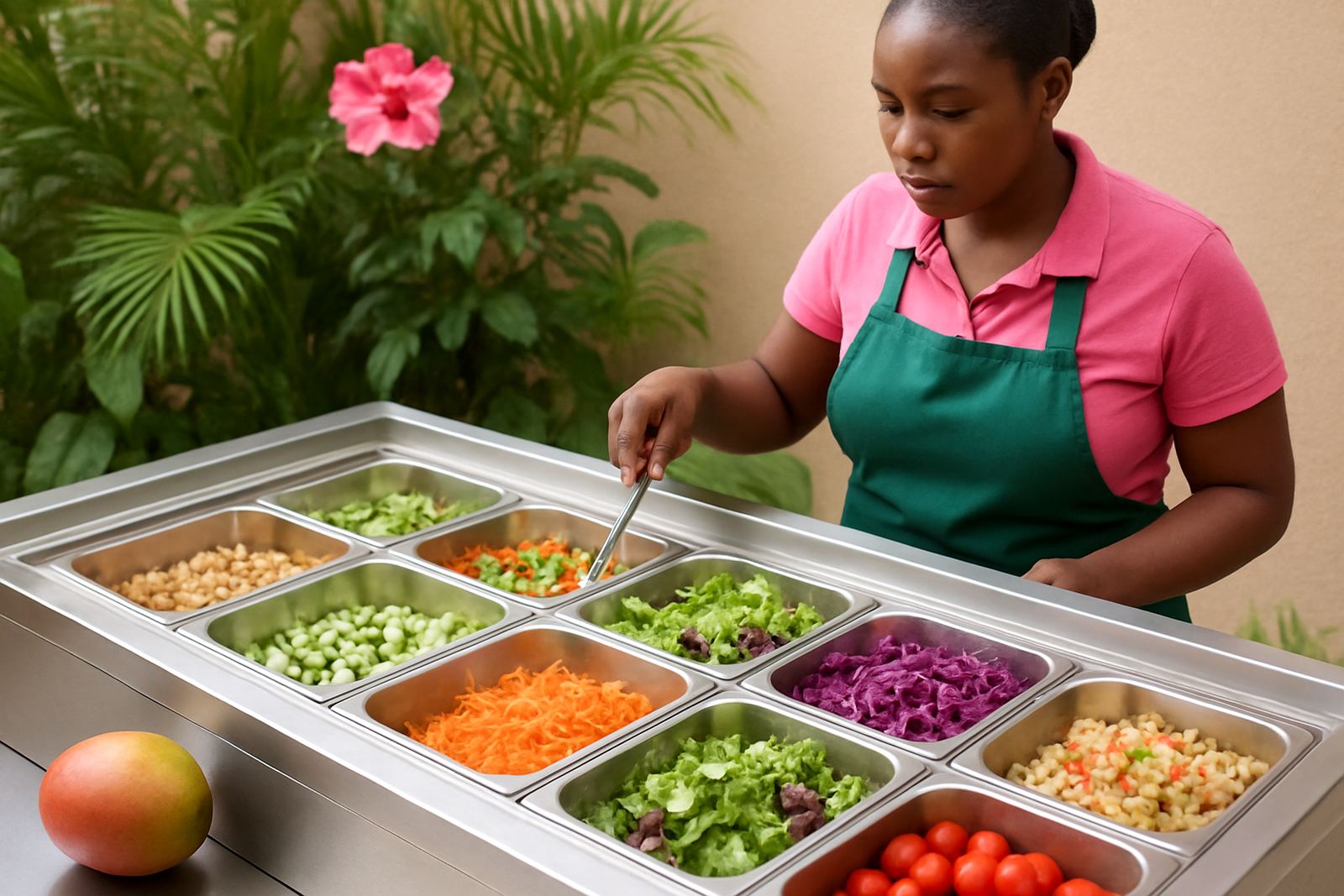
A salad bar fridge is a refrigerated prep unit with a chilled top section for pans, trays or gastronorm inserts, and often a cold undercounter cabinet for extra storage. It is built for fast service, so staff can portion salads, toppings, sandwich fillings and garnishes without walking back and forth to a main cold room.
In practice, this matters on lunch rushes, school canteens and weekend trade when the same unit must hold steady temperature even with frequent lid opening. In Cape Town, where power interruptions and warm summer kitchens can make refrigeration work harder, the right unit needs proper airflow, correct installation and regular cleaning. Tropical Refrigeration has been fitting and repairing refrigeration in the Cape Peninsula since 2013, and our team in Montague Gardens handles both new installs and callouts in the CBD, Milnerton, Bellville, Claremont, Somerset West and Fish Hoek.
Sizes and layout options to match your menu
Salad bar fridges are made in a few practical formats, from compact 1.2 m units for smaller cafés to longer 1.8 m and 2.0 m units for higher turnover counters. Some are counter height with a flat work surface, while others have a display hood or glass sneeze guard for front-of-house use. If your operation serves cold items all day, the extra tray space and lower cabinet storage can save a lot of handling.
Common layout choices include top-only garnish stations, top with undercounter storage, and mobile units on castors for flexible kitchens. The best setup depends on your serving style, how many pans you need on display, and whether the unit will sit against a wall or in a pass-through line. For coastal areas like Fish Hoek or Somerset West, we also look at corrosion-resistant finishes because humid air can shorten the life of hinges, trims and fan parts.
- Compact units: usually 1.2 m to 1.4 m wide
- Mid-size units: usually 1.5 m to 1.8 m wide
- Large service units: 2.0 m and above for busy outlets
- Top display pans: often 1/3 and 1/6 gastronorm sizes
- Under storage: one or two doors, depending on model
Where salad bar fridges make sense
These fridges suit places that prepare food in batches and need quick access to ingredients during service. Think sandwich shops, pizza counters, cafés, guest houses, deli counters, tuckshops, canteens and hotel breakfast areas. They are also useful in takeaway kitchens where a small team has to work quickly without sacrificing food safety.
They are not only for salads. Many operators use them for sliced vegetables, cheeses, cooked chicken, sauces, fruits and dessert toppings. In a busy Cape Town CBD kitchen, that can reduce queue times. In a suburban catering kitchen in Bellville or Claremont, it can help with prep before a school run, office lunch or event delivery. If the unit is going near a service hatch or glass counter, we can advise on height, lid type and access so the staff do not have to reach awkwardly over a busy line.
- Cafés and delis with frequent topping changes
- Restaurants with sandwich, salad or breakfast service
- Hotels and guest houses serving buffet items
- Schools, offices and staff canteens
- Takeaway shops needing quick grab-and-go service
Installation, power and cooling setup
Installation needs to be planned properly because a salad bar fridge works best when air can move around the condenser and the unit sits level. If it is pushed too close to a wall or packed into a hot corner, the compressor has to run harder and temperatures can drift. We check the space, clearances and electrical point before fitting, then make sure the unit is stable and easy to clean underneath.
Most units run on standard mains power, usually 220 V to 240 V single phase, but the exact current draw depends on size and whether the fridge has a glass canopy, extra lighting or a stronger compressor. Some units use remote cooling, while others have an integral system with the compressor built in. Where load-shedding is a concern, we can advise on surge protection, restart delays and practical operating habits so the fridge is not switched off and on too often. If a generator or inverter forms part of the site plan, the starting load must be checked before purchase.
For gas needs, the system may use common commercial refrigerants depending on the model and age of the unit. We handle leak detection, repairs and gas refills where appropriate, but a fridge that keeps losing gas usually needs a proper fault finding job rather than a top-up only.
What to look after from day one
A salad bar fridge will only hold temperature well if the airflow is kept clear and the pans are not overfilled. Warm product should never be loaded straight from a cooker or pot unless it has cooled first. Staff should also keep lids closed where possible and wipe spills before they work their way into seals, fan grilles or drain channels. A small amount of effort each day helps avoid bigger service bills later.
Our service team normally checks the thermostat, door seals, fans, drains, evaporator coil, compressor load and general cabinet condition. On coastal sites, salt air can affect metal parts faster than many owners expect, so regular cleaning matters. If the unit starts cycling too often, frosting up, or struggling after a power cut, it is better to arrange a repair early rather than waiting for spoiled stock.
- Clean pans, lids and seals daily
- Vacuum or brush condenser coils regularly
- Check that the cabinet sits level
- Keep vents clear on all sides
- Book service when temperatures start drifting
What to confirm before you order
Before you buy, measure the available floor space, counter height and door access route. A 1.8 m unit that fits the kitchen may still be difficult to move through a narrow service door or around a tight corner. Check whether you need a top-only display or a model with undercounter storage, and decide how many pans must stay ready during peak trade. It also helps to know whether the unit will be used indoors only or in a semi-open service area.
Useful ordering details include the required pan layout, finish, voltage, drainage needs and whether the site has stable power. If the fridge will hold high-risk ingredients for long periods, ask about temperature recovery after lid opening and whether a digital controller is fitted. For restaurants and food businesses in Cape Town, the right unit is the one that fits the menu, the staff flow and the electrical supply, not just the space on paper. If you need help matching a unit to your kitchen, bookings can be sent to bookings@tropicalrefrigeration.co.za.
Local supply, repairs and backup support
Tropical Refrigeration works from Montague Gardens and services the wider Cape Peninsula, with installation and repair support for salad bar fridges, cold rooms, freezers and air-conditioning systems. Our team includes Mandla Petersen, Anele Jacobs, Ridwaan Daniels, Lindiwe Mokoena, Keegan van Wyk and Zanele Ndlovu, so bookings, repairs and follow-up are handled by people who deal with commercial refrigeration every day.
Whether you are opening a new counter in Milnerton, replacing a tired prep unit in Claremont or sorting out temperature trouble in Bellville, we can assess the site, repair what can be repaired and advise honestly if replacement makes more sense. If you already have a unit and it is not holding cold, we can check for leaks, compressor faults, thermostat problems or airflow issues and get the right parts or gas work moving.
Key facts
| Typical widths | 1.2 m, 1.5 m, 1.8 m and 2.0 m |
|---|---|
| Power supply | 220 V to 240 V single phase, model dependent |
| Temperature range | Usually 2 °C to 8 °C for chilled prep use |
| Pan format | Commonly gastronorm inserts, often 1/3 and 1/6 sizes |
| Cooling system | Integral or remote cooling, depending on model |
| Common features | Digital control, glass hood, undercounter storage, castors, stainless worktop |