What a cold room does in day to day use
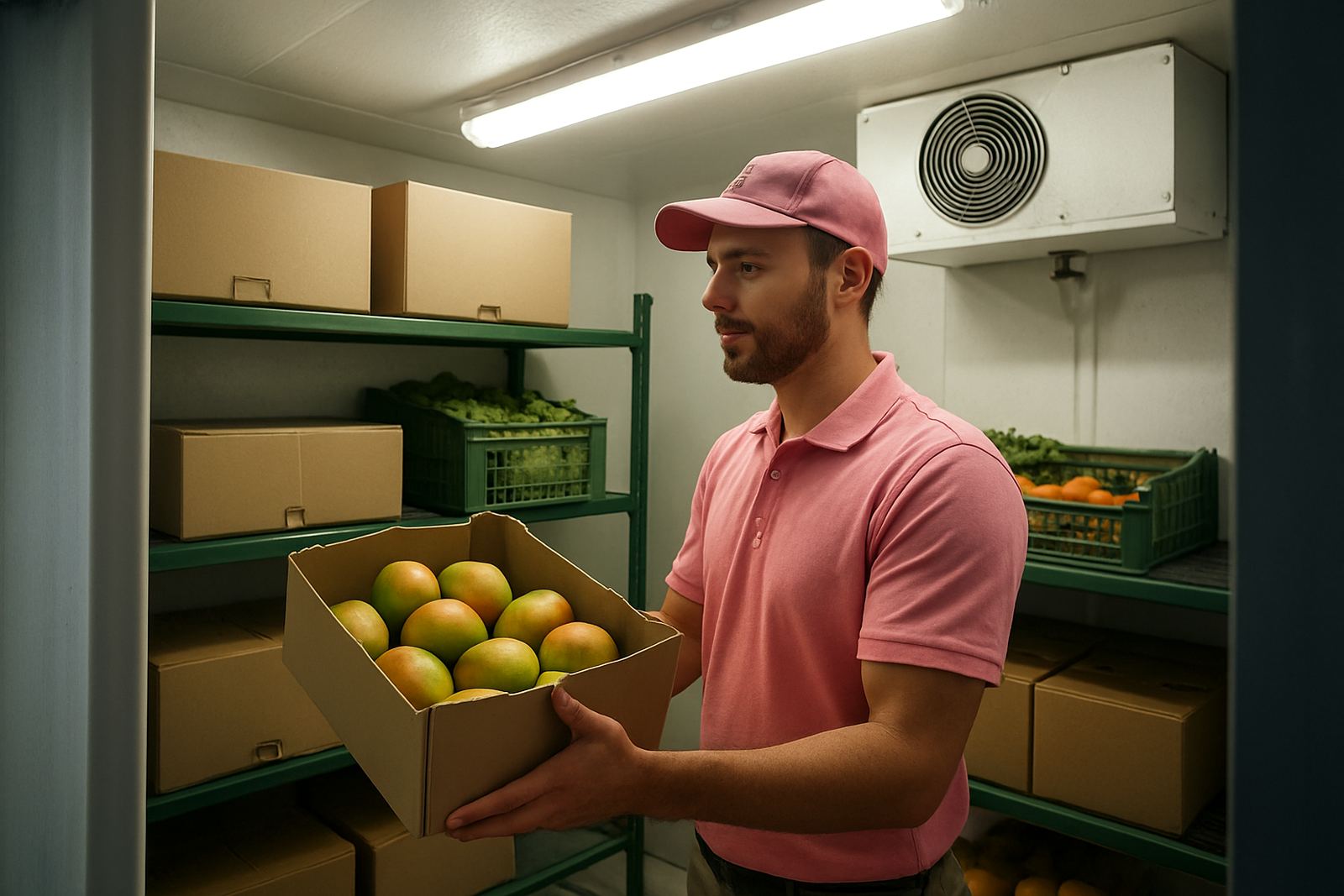
A cold room is a controlled storage space that holds a stable temperature for stock that must stay fresh longer than it would in a normal fridge or freezer. It is commonly used by restaurants, butcheries, florists, bottle stores, caterers, food shops and small manufacturers that need reliable hold over perishables through the day, over night and through load-shedding with backup power in place.
For Cape Town conditions, the right room matters. Coastal humidity near Milnerton, Fish Hoek and Somerset West can add strain to doors, seals and insulation, while hotter back areas in Bellville or industrial parts of Cape Town can make compressors work harder. A properly sized room, with the correct insulation and cooling load, keeps product stable and helps cut waste.
- Chilled rooms for food, flowers, drinks and dairy
- Frozen rooms for meat, ice cream and long hold stock
- Walk-in and drive-in layouts for different site sizes
- Indoor or sheltered outdoor installations, depending on access
Sizes, panels and temperature options
Cold rooms are usually built from insulated panels that lock together on site. The size can be small enough for a deli back room or large enough for a busy kitchen and wholesale store. We assess your product, turnover and available floor space before quoting, so the room fits the way you work and not the other way round.
As a guide, smaller rooms often start from about 2 m x 2 m, while bigger stores may need 3 m x 4 m, 4 m x 6 m or custom layouts with separate chilled and frozen zones. Ceiling height is also important. A higher room can give you extra volume, but it also changes the cooling load and the door size needed for trolleys or crates.
- Temperature ranges commonly from 0 to 5 degrees C for chilled storage
- Frozen rooms can run below -18 degrees C for deep freeze stock
- Panel thickness selected for the duty required, often 75 mm, 100 mm or 125 mm
- Floor insulation and vapour control where needed for wet areas
Where a cold room suits best in Cape Town
Cold rooms are used wherever stock needs controlled storage and regular access. In Cape Town that can mean a restaurant in the CBD, a supermarket in Bellville, a guest house in Claremont, or a florist serving the Southern Suburbs. We also see strong demand from catering stores, takeaway kitchens, and businesses that need extra storage during busy seasons and holiday trading.
For sites in the Cape Peninsula, salt air and constant door use are two common issues. If a room is opened often, or if it sits close to a preparation area, you need better door sealing and sensible airflow around the condenser. Good site planning also helps with municipal and body corporate rules, especially where plant equipment must not create noise or drain issues for neighbours.
- Food prep kitchens and takeaway outlets
- Flower wholesalers and retail florists
- Bottle stores and beverage storage rooms
- Schools, clubs and event kitchens
Installation, power and backup planning
Cold room installation starts with measuring the site, checking access, and confirming where the power supply will come from. The cooling system must match the room volume, insulation, door use and the type of stock being stored. If the room is too small for the load, or the compressor is undersized, temperatures drift and product suffers. That is a costly mistake nobody wants.
Most rooms need a dedicated electrical supply, proper isolation, and space for service access. If the site has load-shedding risk, we can discuss backup arrangements with your electrician or generator provider so the cold room keeps running when the power drops. We also check drain lines, ventilation around the condensing unit, and where the equipment can be mounted so it is safe and easy to service.
- Dedicated power point and safe isolation for the compressor plant
- Space for airflow around the motor and condenser
- Drainage for defrost and cleaning water
- Backup power planning for essential stock protection
Care, cleaning and servicing that prevent spoilage
A cold room needs routine care to keep temperatures steady and running costs under control. Doors, seals, fans, drains and thermostats should be checked regularly, especially where staff are opening the room all day. Dirt on coils or blocked airflow can push temperatures up and make the compressor work harder than it should.
Our servicing covers leak detection, gas refills where there is a confirmed shortage, thermostat replacement, compressor replacement if required, and general repair work on refrigeration equipment. If there is frost build-up, warm spots, water on the floor or a room that cycles too often, those are early warning signs. Catching them early usually means a smaller repair bill and less product loss.
- Check door seals and closers every week
- Keep vents, fans and coils clean
- Watch for unusual noise, ice or temperature swing
- Book service before the busy season starts
What to check before you order a cold room
Before you place an order, it helps to define what will go into the room, how often the door will open, and what temperature range you need. A room for flowers has different needs from a room for meat, drinks or dairy. You should also think about future growth, because adding stock later can mean the room becomes too small much sooner than expected.
We recommend having the following details ready: the available floor space, ceiling height, access width, whether the site is level, the nearest power source, and any rules from the landlord, body corporate or municipality. If the room is going into a busy shop or kitchen, ask about door swing, trolley access and where staff will stand when loading. Small details like this save a lot of trouble later, especially in tight sites where every metre counts.
For Cape Town businesses, good planning is the difference between a room that works every day and one that gives repeated callouts. If you need a new cold room or want one repaired, Tropical Refrigeration can assess the site from Montague Gardens and support branches and areas across Cape Town CBD, Milnerton, Bellville, Claremont, Somerset West and Fish Hoek.
Key facts
| Type | Chilled and frozen cold rooms for commercial storage |
|---|---|
| Typical sizes | From small back-room units to custom walk-in rooms |
| Temperature range | About 0 to 5 degrees C chilled, below -18 degrees C frozen |
| Panel options | Commonly 75 mm, 100 mm or 125 mm insulated panels |
| Power needs | Dedicated supply with safe isolation and airflow clearance |
| Service work | Repairs, gas refills, leak detection, compressor and thermostat replacement |