How a ducted system works in Cape Town homes and premises
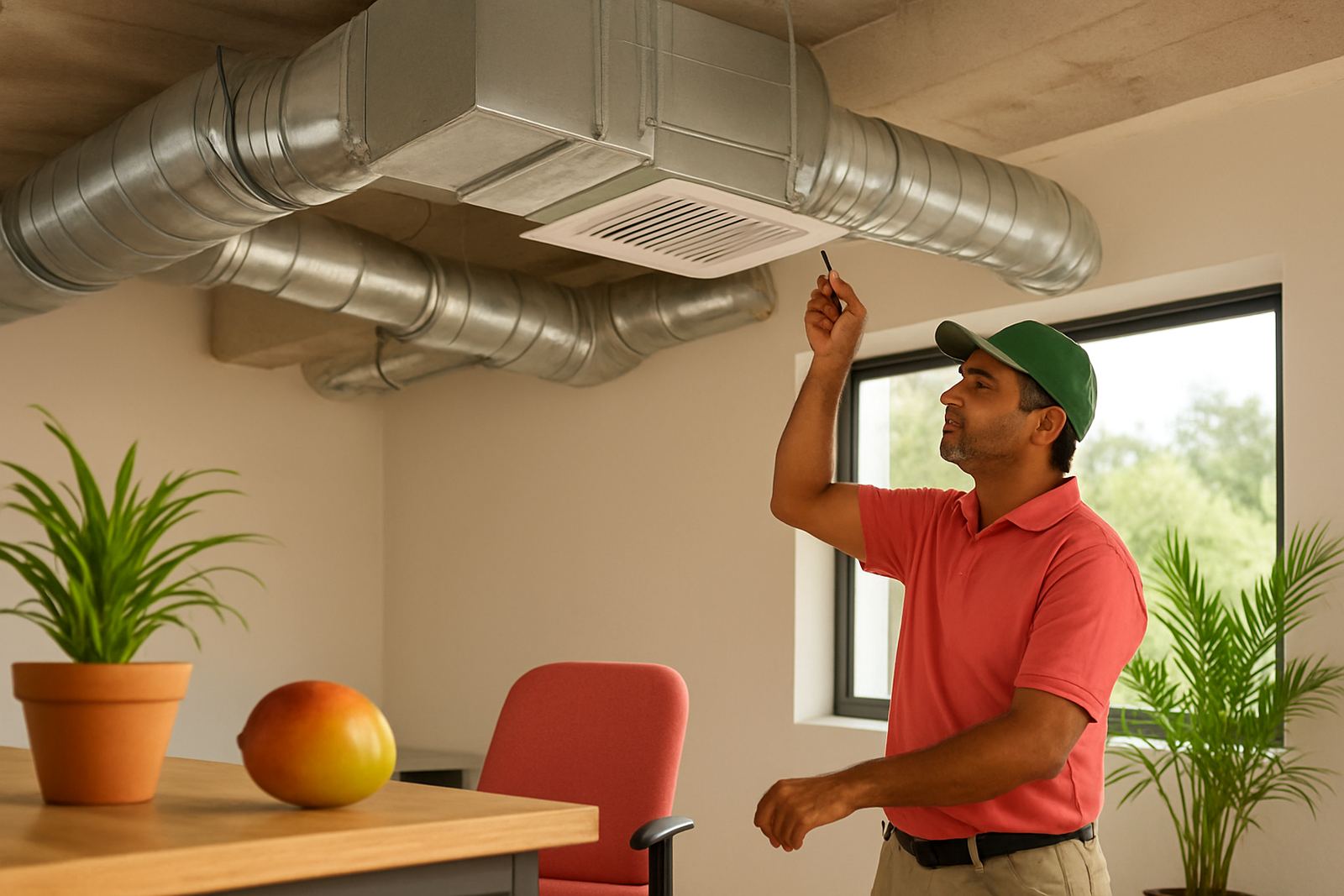
A ducted air-conditioning system uses one outdoor unit and one indoor unit, with insulated ducting carrying cooled air to several rooms or zones. Instead of having a unit on every wall, the air moves through ceiling voids or roof space and comes out through ceiling grilles. That keeps rooms looking neat and makes it easier to cool open plan areas, passages, bedrooms, reception spaces and boardrooms in one setup.
In Cape Town, ducted systems are common where people want a cleaner finish and steady temperatures through summer heat, winter damp and strong afternoon sun. They also help in commercial interiors where staff and customers should not sit directly in a blast of cold air. With the right design, the system can be set up for one large area or split into zones, so you do not waste power cooling rooms that are empty.
Sizes, zoning and airflow options to ask for
The right size depends on the floor area, ceiling height, insulation, window size and how much sun the building takes. A small home layout may need around 7 kW to 10 kW, while larger houses, offices and retail spaces often need 12 kW to 20 kW or more. We size the system from the actual layout, not only the square metres, because a west facing room in Milnerton will behave very differently to a shaded room in Somerset West.
For better control, ducted systems can be arranged with multiple zones. That means separate temperature control for bedrooms, living areas, offices or the main floor. Zone dampers, return air grilles and correctly sized ducts are important for balanced airflow. If the ducting is too small, the system gets noisy and works harder than it should. If it is too large, the air speed can feel weak and cooling becomes uneven.
- Common capacities: 7 kW, 10 kW, 12 kW, 14 kW, 16 kW and larger
- Typical use: 2 to 6 rooms, open plan homes, offices, retail and hospitality spaces
- Control options: single zone or multi-zone layouts with room-by-room control
- Air distribution: ceiling grilles, linear grilles or discreet slot grilles
Where ducted cooling works best
This type of system suits homes and businesses where a tidy finish matters and where several spaces need cooling at once. It is a good choice for double storey houses, larger apartments with ceiling space, holiday homes, consulting rooms, schools, small restaurants and office suites. It is also useful where wall-mounted units would spoil the look of the room or where there is not enough wall space for multiple indoor units.
For Cape Town properties near the coast, ducted systems can be a sensible option if the installation materials are selected properly. Salt air and coastal humidity can shorten the life of poor quality fittings, so we look at corrosion resistance, drain routing and access for servicing. In places like Fish Hoek and parts of the peninsula, that matters just as much as cooling capacity.
- Best for larger homes with ceilings and roof space
- Suitable for commercial interiors that need lower visual impact
- Useful where multiple rooms must stay at similar temperatures
- Works well with ceiling returns and hidden services
Installation needs, power supply and refrigerant requirements
Installing a ducted system is more involved than fitting a single wall unit. We check ceiling access, roof space height, drainage route, electrical supply and where the outdoor unit can sit without causing noise problems or blocking maintenance access. The indoor unit often sits in the ceiling void or roof space, so there must be enough clearance for service panels, filters and insulation around the ducting.
Power needs depend on the model size. Smaller systems may run on a standard single phase supply, while larger commercial or whole home setups may require more careful load planning. Because load shedding and unstable supply can affect performance, it is wise to confirm what the building can support before ordering. The refrigerant pipe run also matters. Long pipe lengths, too many bends or poor insulation can reduce efficiency and make the system cycle more often. We set up systems with the correct gas charge and pressure testing, so the unit is ready to work properly from day one.
Care, servicing and common repair points
A ducted system needs regular service if you want it to stay quiet and efficient. Filters collect dust quickly, especially in busy homes and offices, and blocked filters restrict airflow. That can lead to higher power use, weak cooling and icing on the indoor coil. Drain pans and condensate lines should also be checked, because a blocked drain can cause leaks into ceilings and walls. That is a costly problem if it goes unnoticed.
Our servicing and repairs cover aircon service, leak detection, aircon gas refill, compressor replacement and thermostat replacement where needed. We also check fan motors, contactors, duct joints, insulation and zone control components. If you hear rattling, smell damp air from the grilles or notice one room is much warmer than another, there may be a duct issue or a sensor fault. Catching it early usually keeps the repair simpler and cheaper. A little attention every 6 to 12 months goes a long way.
- Clean or replace filters on schedule
- Check for dust build-up at return air grilles
- Inspect drain lines before the rainy season
- Book a service before summer heat sets in
What to check before you place an order
Before ordering, check the room sizes, ceiling space, roof access and where the outdoor unit can be installed without disturbing neighbours or deliveries. Confirm whether you want one temperature for the whole property or separate zones. It also helps to know if the building has three phase power, whether an upgrade is possible, and where the electrical point will be run from. If the property is in a body corporate or business park, ask about any municipal or site rules for external units and noise levels.
You should also check whether the ducting will be hidden above ceilings or in a bulkhead, and whether access panels will be available for maintenance later. If the system is for an office or commercial premises, think about after-hours use, occupancy numbers and how many people are in the space at peak times. That information helps us size the system correctly and avoid overspending on a unit that is too large or too small. Mandla and the team use those details to plan a proper fit for the building, not just a quick install.
Why Cape Town clients choose Tropical Refrigeration
We have been serving Cape Town and the Peninsula since 2013 from our Montague Gardens base, with work carried out in Cape Town CBD, Milnerton, Bellville, Claremont, Somerset West and Fish Hoek. Our team handles aircon installation, aircon repairs, gas refills, ventilation servicing and refrigeration work for homes, offices and commercial sites. For ducted systems, that matters because the install and the aftercare both need attention from people who understand airflow, access and serviceability.
If you are comparing options, send your layout, room sizes and a few photos to bookings@tropicalrefrigeration.co.za. We can help with sizing, duct routing, power checks and servicing plans so the system suits the building and the way it is used. Good cooling should not be a surprise, it should just work when the heat comes on.
Key facts
| System type | Ducted split air-conditioning for concealed installation |
|---|---|
| Typical capacities | 7 kW to 20 kW plus, depending on the layout |
| Control | Single zone or multi-zone with room control |
| Installation space | Ceiling void or roof space with service access |
| Power supply | Single phase on smaller units, higher loads may need more planning |
| Maintenance interval | Service every 6 to 12 months, more often in dusty or coastal areas |