What a pharmacy fridge does in daily medical storage
A pharmacy fridge is built to hold sensitive stock at a controlled internal temperature, usually in the 2°C to 8°C range. That steady band matters for vaccines, insulin, samples and other medicines that can be affected by heat spikes, door opening and poor circulation. In Cape Town summer heat, and during load shedding, a standard domestic fridge is often not good enough for medical stock.
These units are made to recover temperature quickly after the door opens and to keep readings more even from shelf to shelf. Many models have forced air circulation, digital controls and alarm functions for high and low temperature alerts. For a busy clinic, that matters as much as storage space.
- Stable 2°C to 8°C storage range
- Digital temperature display and alarm options
- Even cooling for frequent door opening
- Suitable for clinics, pharmacies and treatment rooms
Sizes and cabinet options for different stock levels
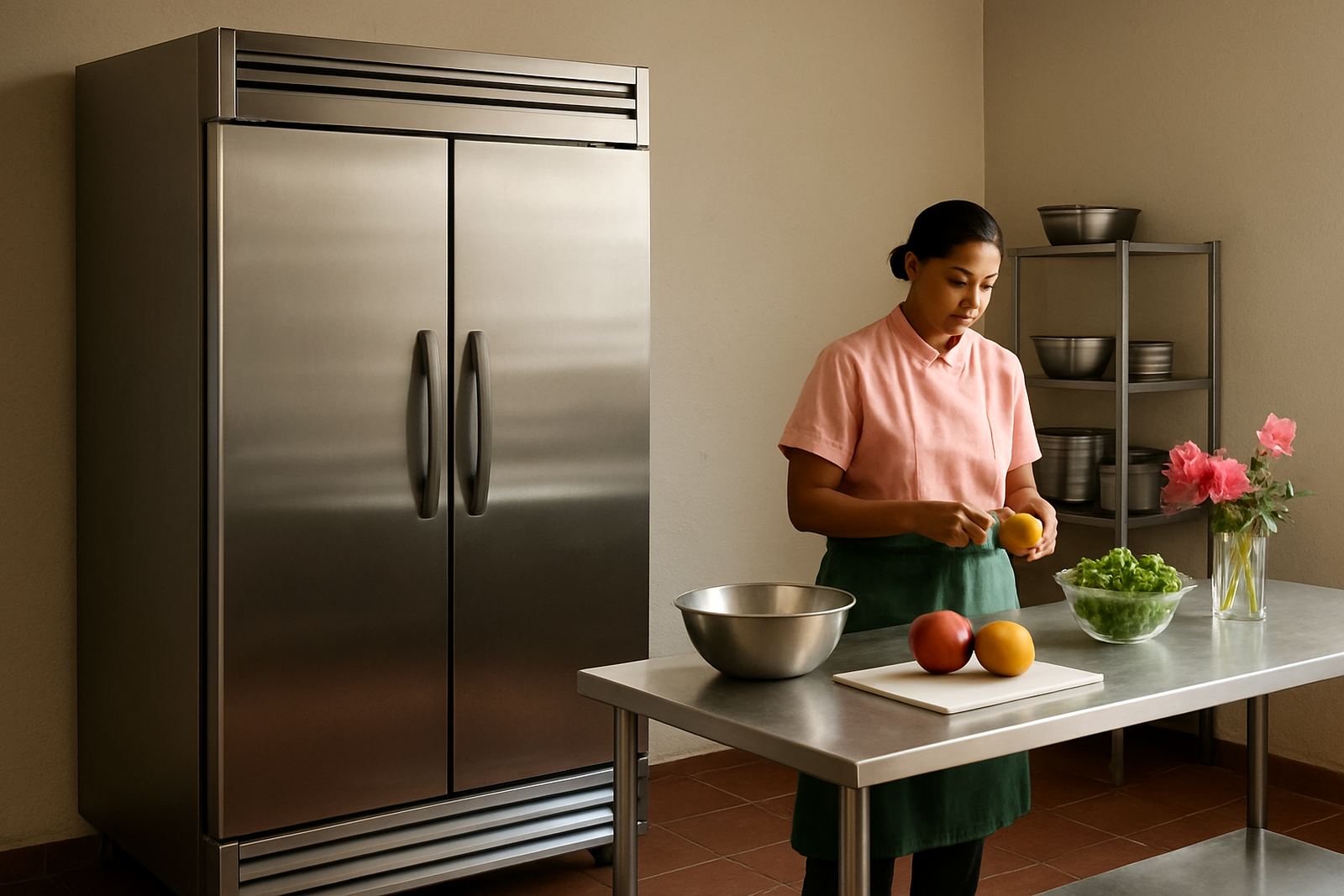
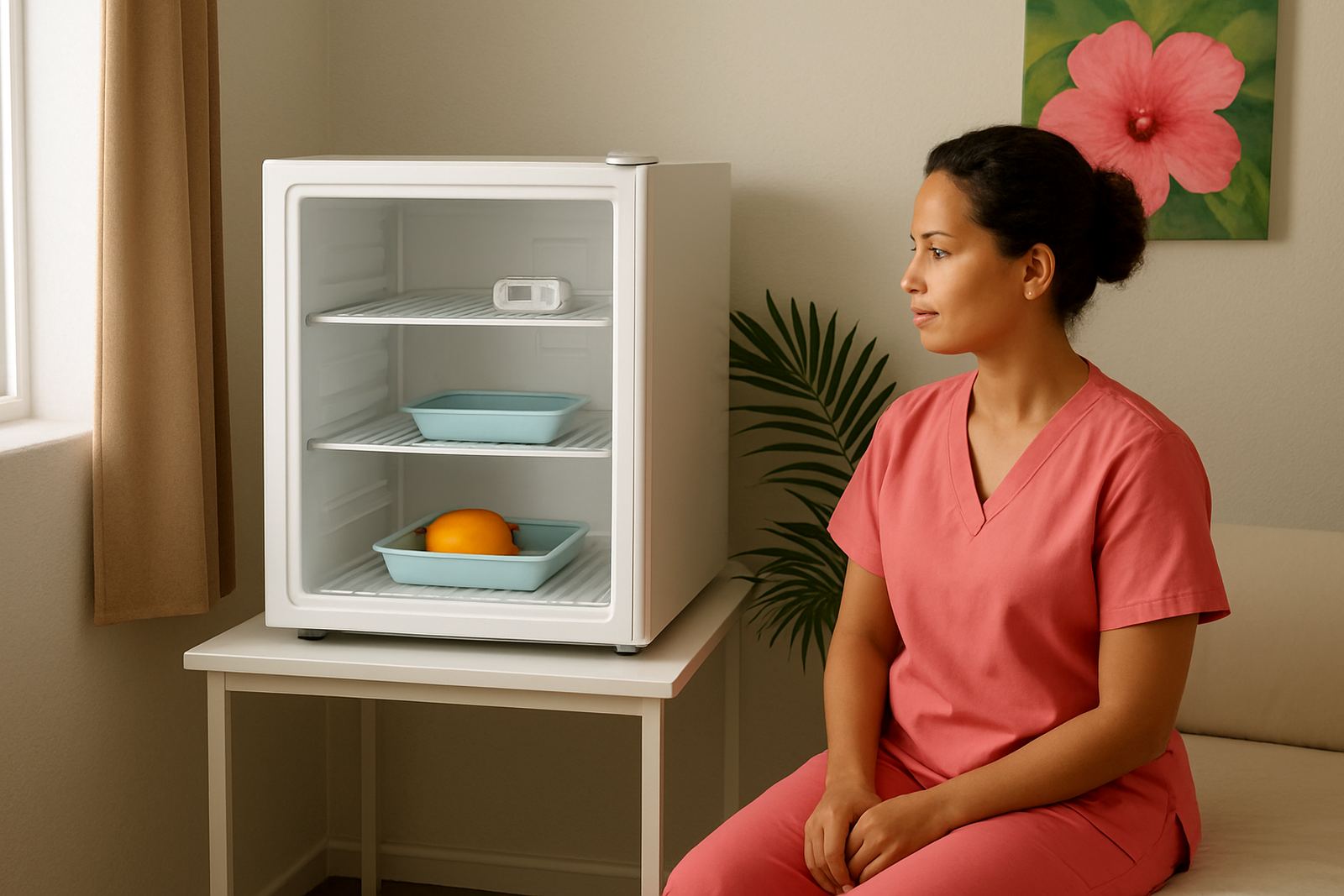
Pharmacy fridges come in under-counter, upright and larger double-door styles. A small practice may only need a compact 100 to 300 litre unit, while a medical centre with vaccine stock or high turnover may need 400 to 800 litres or more. We help match the cabinet size to the amount of stock, the room size and the daily access pattern.
We also look at the layout inside the cabinet. Adjustable shelves, lockable doors, internal lighting and clear front panels can make stock control easier. Some units are better for tight consulting rooms, while others suit a back store or dispensary where space is not a problem.
- Compact units for small practices and satellite rooms
- Mid-size upright fridges for daily dispensing
- Larger cabinet fridges for higher stock volumes
- Lockable doors and adjustable shelving
Where a pharmacy fridge suits best in Cape Town
These fridges suit GP surgeries, clinics, veterinary rooms, pharmacies, occupational health rooms and medical stores. They are also useful in facilities where medicine must be separated from food or from general refrigeration. In coastal suburbs like Milnerton, Fish Hoek and Somerset West, we also take humidity and corrosion into account when advising on cabinet placement and airflow.
For medical sites in Cape Town CBD, Bellville or Claremont, a fridge may need to fit into a tighter room with less ventilation. That is where correct clearances and a proper power point matter. If the cabinet is pushed too close to a wall or heater, it works harder and the temperature can drift. A bit of planning saves trouble later, and the call-outs.
- Clinics and private practices
- Pharmacies and dispensaries
- Veterinary and laboratory storage
- Medical rooms in offices, schools and care facilities
Installation, power supply and backup planning
We install pharmacy fridges so they sit level, breathe properly and have enough space for the condenser to work. A fridge that is tilted or boxed into a tight alcove can run hot, use more power and shorten component life. We also check the socket position, cable routing and whether the room has reliable ventilation.
Because Cape Town has load shedding and occasional supply dips, we advise clients to plan for backup power where medicine stock is critical. That may mean a suitable inverter, generator connection or transfer plan for the unit. The fridge itself still needs the right power supply, usually a standard 220V to 240V single-phase outlet with a dedicated line where possible.
Gas charged systems are sealed units, so correct installation matters from day one. If there is a long pipe run, poor airflow or a warm room, the fridge will struggle to hold range. We keep the setup practical and simple, no extra stress on the cabinet or the clinic staff.
Care, cleaning and servicing that protect the cold chain
Pharmacy fridges need regular checks, not just when something goes wrong. Door seals should be cleaned, shelves wiped down, condenser areas kept free of dust and the internal temperature recorded daily. If the door does not close properly or the seal has gone hard, the cabinet can climb out of range without anyone noticing straight away.
Our service work covers temperature checks, leak detection, gas refills where needed, compressor replacement, thermostat replacement and general fault finding. We also inspect fans, door hinges and control settings. If a unit is not cooling evenly, is icing up, or has noisy running, it should be checked before stock is affected.
- Clean seals and shelves with mild approved cleaners
- Keep vents and condenser coils clear of dust
- Log temperatures daily and check alarms
- Book service at the first sign of drift or icing
What to check before you order a pharmacy fridge
Before placing an order, check the medicine volume, the room size and whether the fridge will be opened often through the day. You should also confirm the required temperature range, alarm needs, lock requirement and whether the unit must fit under a counter or stand upright. If the room gets hot in summer, or faces direct sun, that also affects the choice.
It helps to know whether you need fan cooling, glass or solid doors, and how much shelf adjustment is needed for trays and containers. If the fridge will carry vaccines or sensitive stock, ask about temperature stability, backup power and alarm output. A good fit starts with the right details, not guesswork.
- Required internal temperature range
- Storage volume and shelf layout
- Room size, power point position and ventilation
- Need for alarms, locks and backup power support
Key facts
| Temperature range | 2°C to 8°C typical medical storage band |
|---|---|
| Capacity options | About 100 litres to 800 litres plus, depending on model |
| Power supply | 220V to 240V single-phase |
| Controls | Digital thermostat with display and alarm options |
| Cooling system | Fan-assisted or static cooling depending on cabinet type |
| Finish | White medical-grade cabinet with lockable door options |