What a deli display is used for in busy food counters
A deli display unit is a chilled counter cabinet built for direct customer service. It holds food in view, helps staff work from the back, and keeps the front of house tidy. In a butcher shop, café, supermarket, take-away or convenience store, it gives you a controlled space for sliced meats, salads, pies, desserts and grab and go items.
For Cape Town businesses, the main benefit is temperature control through long trading hours. When a shop is dealing with hot afternoons, open doors, load-shedding plans and customers moving in and out, the display has to hold steady. A good unit must keep product cold without drying it out, and it should be simple to clean at the end of a shift.
- Suitable for chilled food service counters
- Helps reduce handling of exposed stock
- Works well where staff serve from behind the cabinet
- Can be matched to a shop front or prep area
Sizes, glass styles and layout options
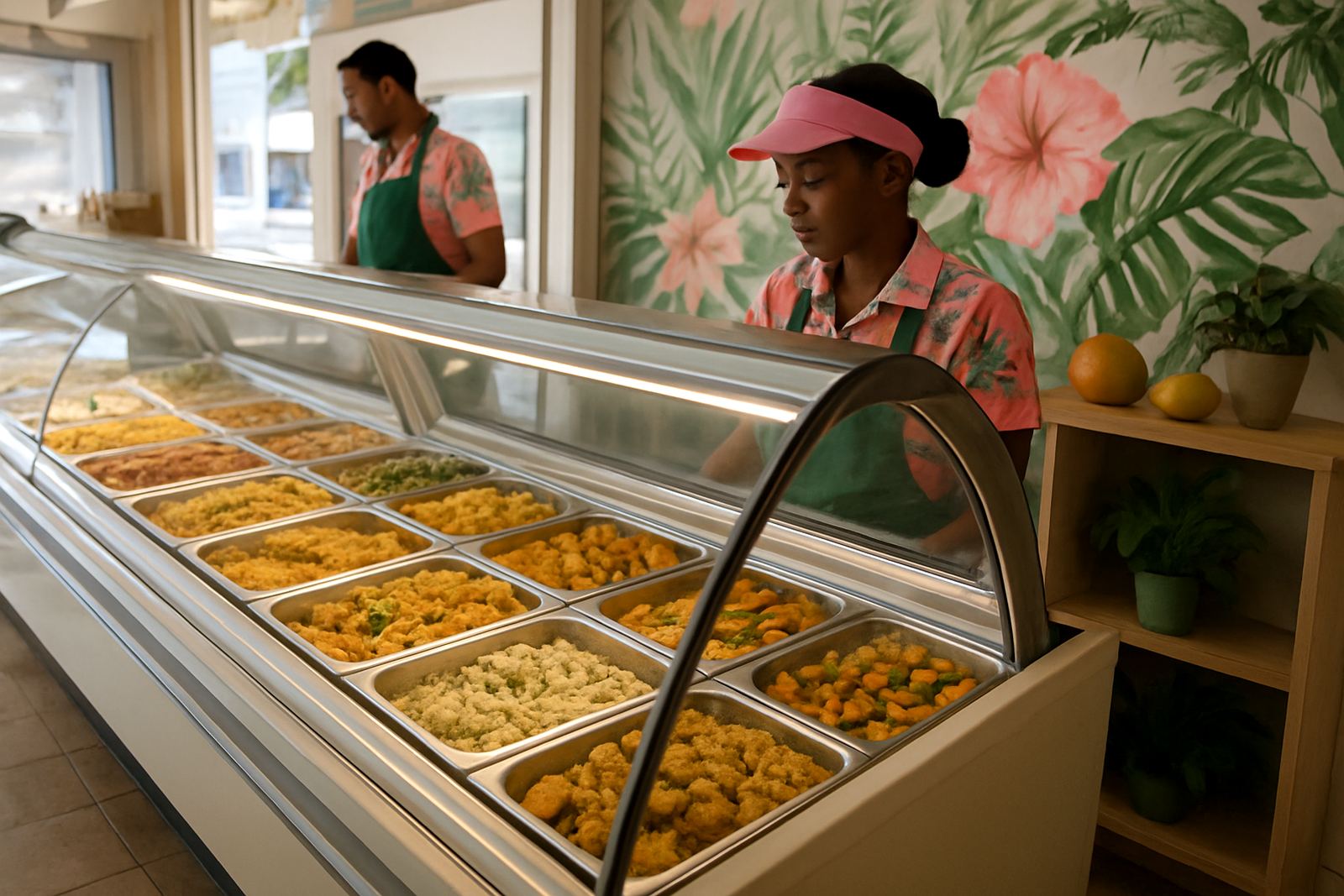
Deli displays come in different lengths and depths, depending on how much stock you need to show and how much floor space you have. Smaller shops often choose a compact straight unit, while larger stores go for longer counters with more tray space and better product separation. Some units are flat glass, others have curved front glass for better viewing and easier cleaning around the display edge.
Tray layout matters too. You can order units with multiple gastronorm style pans, fixed shelves or open display decks depending on the food being sold. If the counter will carry mixed product, ask for separate sections so moist items dont sit right next to dry items. For busy counters in Bellville, Milnerton or the Cape Town CBD, a front service opening that is easy to reach from both sides can save time during rush periods.
- Length options from about 1.2 m to 3.0 m and longer on request
- Straight or curved glass fronts
- Open food pans, shelf display or mixed layouts
- Available as counter-top style or floor-standing units
Where deli displays suit best in the Cape Peninsula
These units suit places that sell prepared chilled food in view of the customer. That includes butchers, bakeries, cafés, lunch bars, food courts, small supermarkets, hotel snack points and forecourt shops. In Claremont and Somerset West, they are often used for premium counter service. In Fish Hoek and the coastal areas, the bigger concern is humidity and keeping seals, fans and drains clear.
The unit should be matched to the menu and the daily trading pattern. If the shop closes over weekends, the cabinet must recover temperature quickly on Monday morning. If it runs all day, the compressor size and airflow become more important. We also look at how the counter sits in the room, because hot kitchens, sun through glass and poor ventilation will push the system harder than people expect.
- Butcher counters for chilled meats
- Café displays for wraps, salads and desserts
- Retail counters for grab and go food
- Hospitality service points and hotel food stations
Power, refrigeration and site setup needs
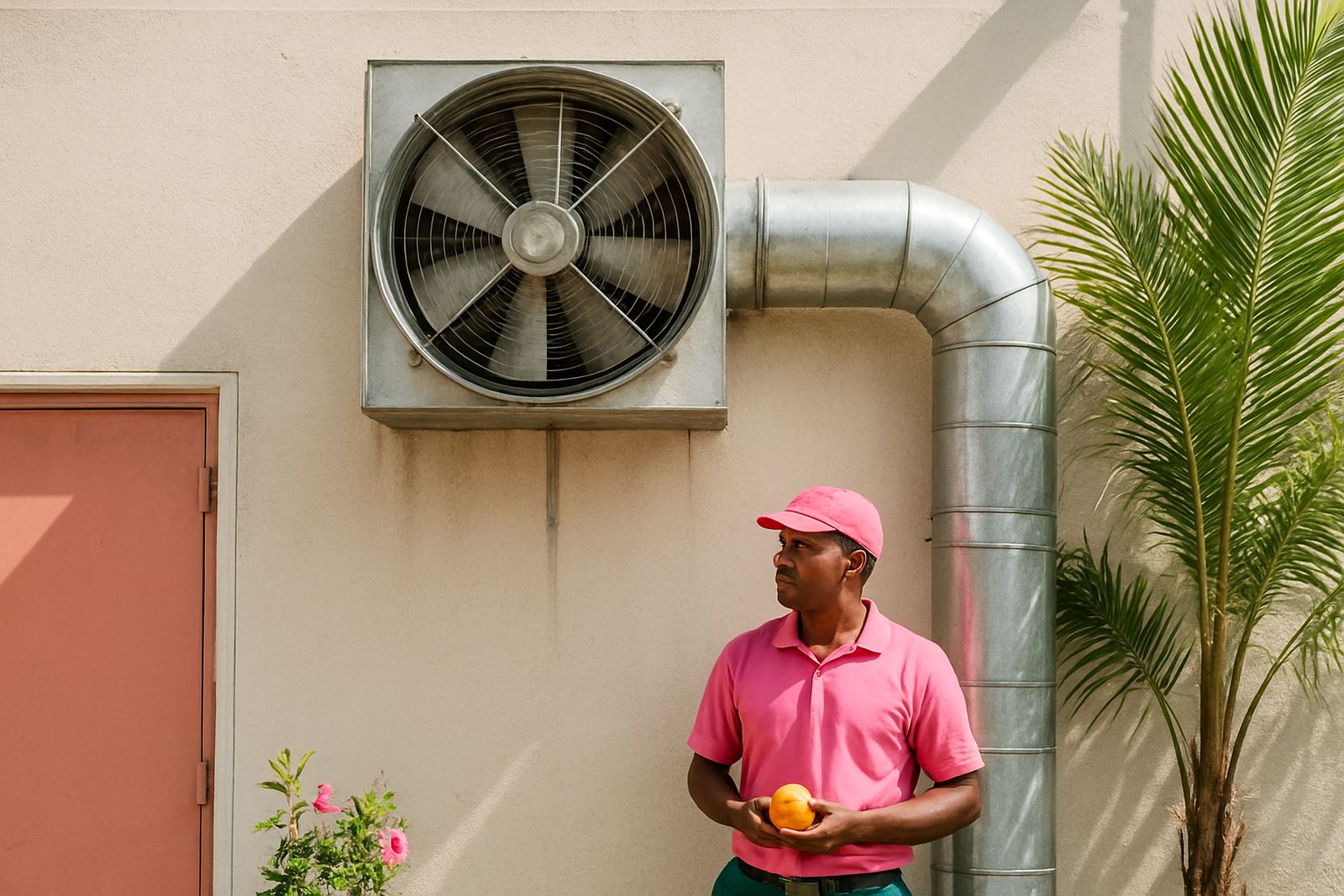
Most deli displays run on standard electrical supply, but the exact power draw depends on size, compressor type and whether the unit is self-contained or remote. Before installation, we check the available circuit, isolation point and ventilation around the machine compartment. A display that cannot breathe properly will work harder and use more power, especially in summer.
Some larger counters need remote refrigeration piping rather than a self-contained base unit. That may suit a shop where heat and noise need to stay out of the front area. For sites with load-shedding, we advise on generator changeover, surge protection and restart timing so the cabinet does not come back under strain after every outage. If the unit uses a drain, it must be routed correctly and kept clear, otherwise water can spill onto the floor and create problems for staff and customers.
- Check available power before ordering
- Allow for airflow around condensers and compressor sections
- Plan drain routing and waste water removal
- Ask about backup power if the site has regular outages
Care, cleaning and service intervals
A deli display needs regular cleaning if you want stable temperatures and a decent life span. Shelves, pans, glass and seals should be wiped daily. Condenser fins, fan guards and drain points need more thorough attention on a service schedule. In coastal air, salt and moisture build up faster, so waiting too long between checks can lead to weak cooling or short cycling.
We recommend keeping a record of temperatures, cleaning dates and any odd noise or frosting. That makes it easier to catch a fault before it becomes a bigger repair. If the cabinet starts running warm, sweating on the glass or cycling more than usual, the issue could be low gas, a blocked airflow path, a failing thermostat or a compressor starting to struggle. Catching it early usually costs less than a full breakdown repair.
- Clean food contact areas every day
- Check door and glass seals regularly
- Book a service before summer trading peaks
- Watch for frosting, noise or uneven cooling
What to confirm before you place the order
Before ordering a deli display, measure the space properly and check the access route. A counter can fit on paper but still fail to move through a doorway, tight passage or shopfront opening. Also check ceiling height, floor strength and whether the unit must sit against a wall or under an awning. If you are fitting out a new shop in Cape Town, the final position should leave room for staff movement and easy cleaning behind the counter.
It also helps to know exactly what food you will sell. A unit for sliced meat is not always ideal for pastries or salad, because humidity, airflow and shelf arrangement can differ. Tell us the expected load, trading hours and whether the cabinet must keep food visible for self selection or be used for staff service only. That way we can size the unit properly and avoid a poor fit that costs money later.
- Measure width, depth and access points
- Confirm product type and daily stock volume
- Check power supply and drain position
- Ask for the right glass, tray and service layout
Key facts
| Use | Prepared foods, chilled meats, counter service retail |
|---|---|
| Typical lengths | 1.2 m to 3.0 m, with longer runs on request |
| Temperature range | Usually set for chilled food service, depending on product |
| Glass options | Straight front or curved front |
| Power | Standard electrical supply, unit dependent |
| Installation | Self-contained or remote refrigeration, site dependent |