What a Reach-In Chiller Does in a Busy Kitchen
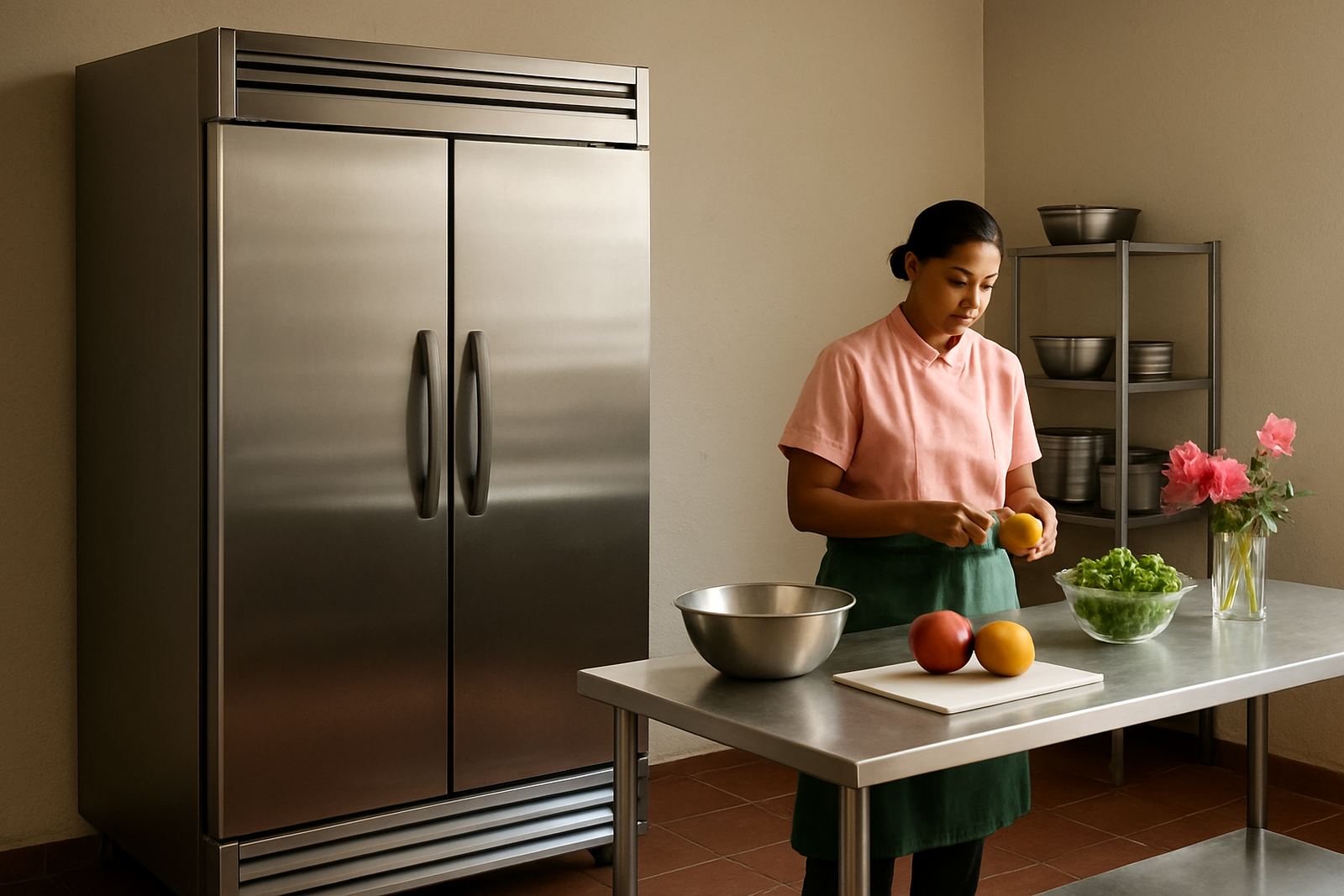
A reach-in chiller is a refrigerated cabinet with one or more doors, built for fast access to ingredients that need to stay cold through the day. Chefs and kitchen teams keep dairy, sauces, deli items, prepped veg and plated components inside, then pull them out as needed without long delays. Compared with a walk-in cold room, it takes up less floor space and gives you one fixed point for storage right by the prep line or pass.
For Cape Town kitchens, that matters during lunch service, evening trade, and load-shedding recovery. When the door is opened many times an hour, the cabinet needs to recover temperature quickly. Good air flow inside the unit, clean door seals and the right room conditions all help keep the stock safe. If the room is hot, cramped or close to an oven line, the chiller will work harder and use more power, so placement is part of the design not an afterthought.
We supply and work on reach-in chillers for restaurants, takeaway shops, bakeries, canteens and hospitality venues across Montague Gardens, Milnerton, Bellville, Claremont, Somerset West and Fish Hoek. We also see them in office kitchens and staff catering spaces where chilled stock must stay close to the serving area.
Sizes, Door Options and Temperature Range
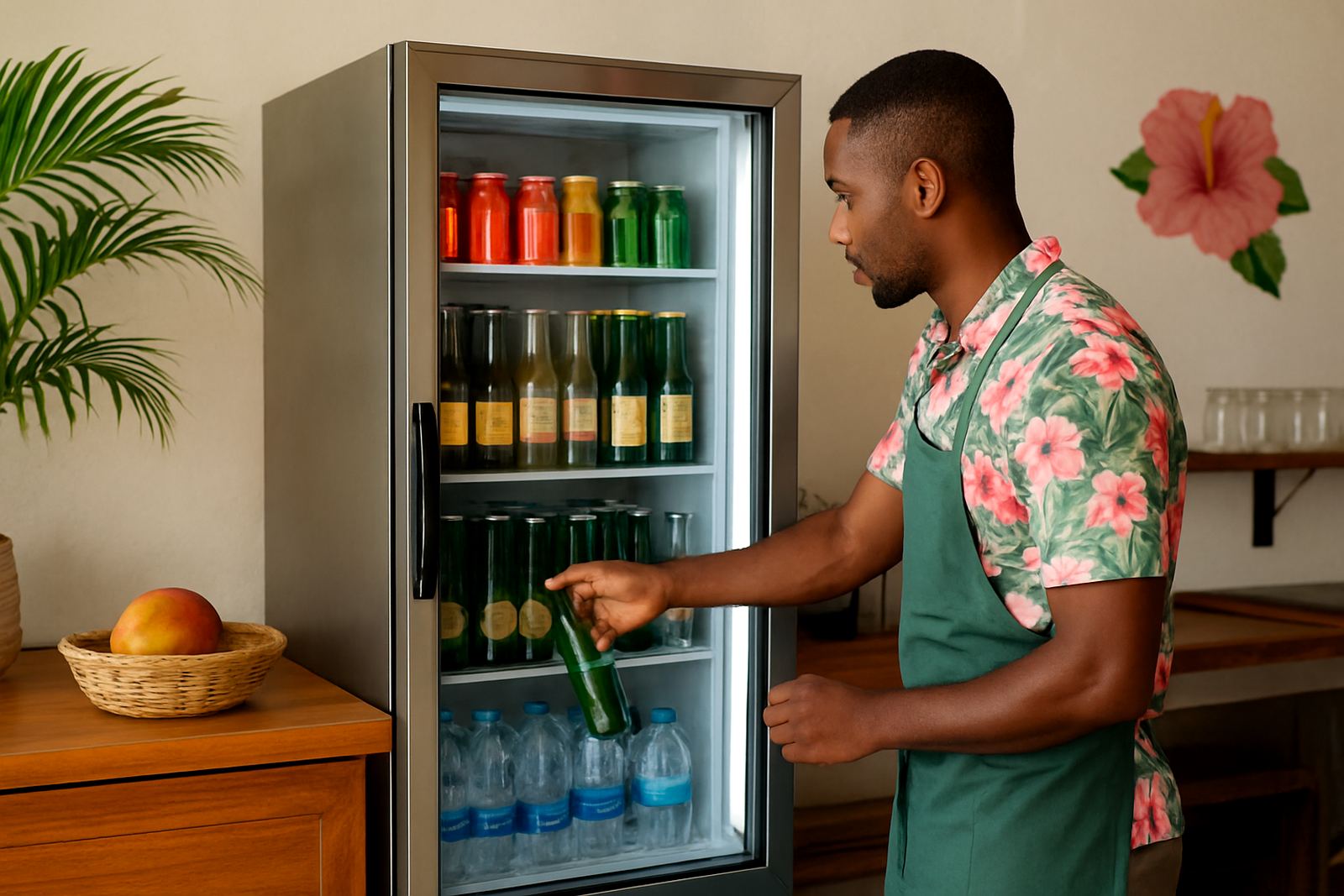
Reach-in chillers are made in a range of footprints and door layouts. Smaller single-door units suit compact prep kitchens, while two-door and three-door models suit larger service areas that need better stock separation. Some units use solid doors for better insulation, while glass-door models help staff see stock at a glance. Shelf layout is also important, especially if you store GN pans, bottled stock or tall containers.
Typical working temperatures are between 0 C and 5 C for chilled storage, though the exact set point depends on the goods you keep inside and the manufacturer specification of the cabinet. In coastal areas like Cape Town, Somerset West and Fish Hoek, corrosion-resistant finishes and good ventilation around the condenser are worth asking for. Salt in the air can shorten the life of exposed parts if the cabinet is not suited to the environment.
- Single-door units for smaller kitchens and tight prep areas
- Two-door units for medium kitchens with split product categories
- Three-door units for high turnover food storage and service prep
- Solid or glass doors depending on visibility, energy use and workflow
- Adjustable shelving for trays, tubs, crates and ingredient containers
When we assess a site, we look at the available width, the doorway access, floor strength and whether the unit must pass through narrow corridors or lift access. That saves time on delivery day and avoids last minute surprises.
Where a Reach-In Chiller Fits Best
This type of cabinet suits places where stock must be close to the work area. It is ideal for kitchens that cannot spare the room for a full walk-in, or where the workflow depends on quick door access during service. It also works well as a support unit next to a cold room, letting staff keep high-use items at hand while bulk stock stays in the larger store.
In Cape Town we often recommend reach-in chillers for municipal canteens, cafés near the CBD, guest houses, school kitchens and small hotels. They also suit retail back-of-house areas that need chilled ingredients, chilled display backup stock, or a separate cabinet for dairy and prepared foods. If your premises face hot afternoon sun or the kitchen is near busy equipment, we may suggest extra clear space around the unit so the compressor can breathe properly.
- Restaurants and bistros with fast-paced service
- Bakeries that store cream, fillings and toppings
- Cafés, deli counters and takeaway kitchens
- Hotels, guest houses and staff feeding facilities
- Offices and institutions with managed kitchen spaces
For a cramped kitchen, door swing direction matters as much as width. A poor opening side can block staff movement, so we check the layout before installation and plan where the unit will sit relative to prep tables, sinks and hot equipment.
Installation, Power Supply and Refrigerant Considerations
A reach-in chiller needs level placement, good ventilation and a stable electrical supply. Most units run on standard single-phase power, but the exact current draw depends on size, insulation and compressor size. If your area sees frequent load-shedding or voltage dips, the chiller may need a proper surge protection plan and disciplined start-up routine after power returns. It is not wise to switch a unit on and off repeatedly within a short time, as that can strain the compressor.
The cabinet must stand on a level surface so the doors seal properly and condensate drains as intended. In many Cape Town sites, kitchen floors are not perfectly even, so we check for shims, feet adjustment and enough clearance at the back and top of the unit. Air cooled systems also need room around the condenser. Push a chiller flush against a wall and you trap heat, which pushes power use up and can lead to breakdowns.
Where a gas refill is needed, we first check for the cause of the loss. A low gas system often points to a leak, and topping up without fixing the leak will only give a short reprieve. Our team handles leak detection, repairs and correct refrigerant charging, along with compressor replacement and thermostat faults when the cabinet is not cycling as it should.
Day-to-Day Care, Cleaning and Servicing
Good care keeps the cabinet cold and extends its life. Door seals should be wiped clean and checked for cracks, shelves should not be overloaded, and stock must be spaced so air can move around it. A packed chiller may look efficient, but if the airflow is blocked the top shelves and rear corners often warm up first. That is where spoilage starts.
Coastal humidity in Cape Town can also cause issues if condensate is not draining properly or if the cabinet is not cleaned regularly. Dust, grease and flour build-up on the condenser coil force the system to work harder. We often find that a chiller problem is not a failed part but simple poor maintenance. Regular servicing helps keep temperatures stable and lowers the risk of emergency call-outs during busy trading hours.
- Clean condenser coils on a planned service cycle
- Check door seals for air leaks and wear
- Keep stock clear of vents and fan paths
- Listen for unusual compressor noise or short cycling
- Book prompt repairs if temperatures drift out of range
If your cabinet struggles after a power interruption, or the thermostat is cycling too often, do not wait for the stock to spoil. Early attention usually keeps the repair smaller and cheaper.
What to Check Before You Order
Before ordering a reach-in chiller, check the internal size you actually need, not just the outside dimensions. Measure doorways, passages and the final position in the kitchen, then confirm the cabinet can be moved in without dismantling fittings. Also think about what you store most often. A bakery, for example, may need taller shelf spacing than a deli or a catering kitchen.
You should also confirm the operating temperature, the number of shelves, the door type, the finish and the available power point. If the site has no proper ventilation or the unit will sit near heat, tell us upfront so we can advise on placement and model choice. For premises near the sea, ask about coatings and components that cope better with salty air. If the unit will be used in a busy prep area, ask about door durability and easy-clean interiors as well.
When you contact Tropical Refrigeration, send us the site address, the cabinet size you have in mind, and whether you need installation, repair or a gas refill. We work from Montague Gardens and service Cape Town CBD, Milnerton, Bellville, Claremont, Somerset West and Fish Hoek, with support for commercial kitchens and food businesses across the peninsula.
Local Support for Reach-In Chiller Repairs and Installations
We handle new installations, fault finding, gas refills, leak detection, thermostat replacement and compressor work for reach-in chillers. If the cabinet is not holding temperature, icing up, running nonstop or making abnormal noise, we can inspect it and advise on the best fix. We also service related refrigeration equipment such as cold rooms and freezers, which helps if your kitchen runs a mixed cold chain.
Tropical Refrigeration was founded in 2013 and continues its Cape Town air-conditioning and refrigeration work. The team is based in Montague Gardens and managed by Mandla Petersen, with support from experienced technicians and coordinators who handle bookings carefully. If you need a site visit, send your details to bookings@tropicalrefrigeration.co.za and include the area, unit size and fault description. That helps us arrive ready with the right parts and tools.
Key facts
| Product type | Reach-in refrigerated cabinet |
|---|---|
| Temperature range | Typically 0 C to 5 C |
| Common sizes | 1 door, 2 door and 3 door |
| Door options | Solid or glass door |
| Power supply | Usually single-phase, site dependent |
| Typical uses | Kitchens, cafés, bakeries, canteens and prep areas |