What a milk chiller does on site
A milk chiller is a refrigerated unit used to hold milk and other fresh dairy at controlled low temperatures before use or dispatch. It is common in cafés, farm shops, schools, catering stores and small food businesses that need steady cold holding rather than deep freeze temperatures. For Cape Town conditions, that means a unit that can cope with warm kitchen spaces, frequent door openings and load shedding without drifting too far from target temperature.
Most units are set around 2 to 4 degrees Celsius for safe dairy storage, with good internal air circulation and an easy-clean tank or cabinet. The exact size depends on how much milk you keep on hand each day, whether the unit is for front-of-house service or back-of-house storage, and how often stock is delivered. If the chiller is undersized, it works harder, runs longer and wears out sooner.
Sizes and configurations we supply
Milk chillers are available in compact undercounter units, upright cabinets and larger storage models. The right choice depends on space, daily turnover and where the unit will sit. A small café in Claremont may only need a compact unit near the prep area, while a high-volume site in Cape Town CBD or Bellville may need a larger cabinet with more shelf space and stronger cooling recovery after door openings.
- Compact undercounter units for smaller milk volumes and tight work areas
- Upright cabinets for better visibility and easier stock sorting
- Single or double-door options for higher daily turnover
- Stainless steel or coated finishes for food areas and humid coastal sites
- Static or fan-assisted cooling, depending on the storage setup
We also look at access space for delivery, aisle width, and whether the unit must fit through a back door, storeroom gate or narrow corridor. In the Peninsula, that sort of measure matters more than people expect.
Where a milk chiller suits best
Milk chillers suit any operation that handles fresh dairy daily and needs it ready for serving or batching. They are used in coffee shops, bakeries, deli counters, caterers, schools, guest houses and retail food stores. Some businesses use them for milk only, while others store cream, yoghurt bases or dairy ingredients alongside milk, provided the internal layout supports it and stock rotation is kept clean.
In coastal areas such as Fish Hoek and Somerset West, humidity can affect gaskets, hinges and exposed metal faster than in drier inland spaces. In hot prep areas, a chiller must recover temperature quickly after repeated access. That is why we often recommend a unit with enough reserve capacity, not just the smallest model that fits in the corner. It saves callouts later and keeps service moving when the rush starts.
Installation, power and refrigerant needs
Milk chiller installation starts with the site conditions. The floor must be level, the unit needs space to breathe, and the electrical supply should be checked before commissioning. Most units need a dedicated socket and a stable power feed. If the site suffers load shedding, we discuss backup power, start-up behaviour and safe restart after outages so the compressor is not hit with repeated hard starts.
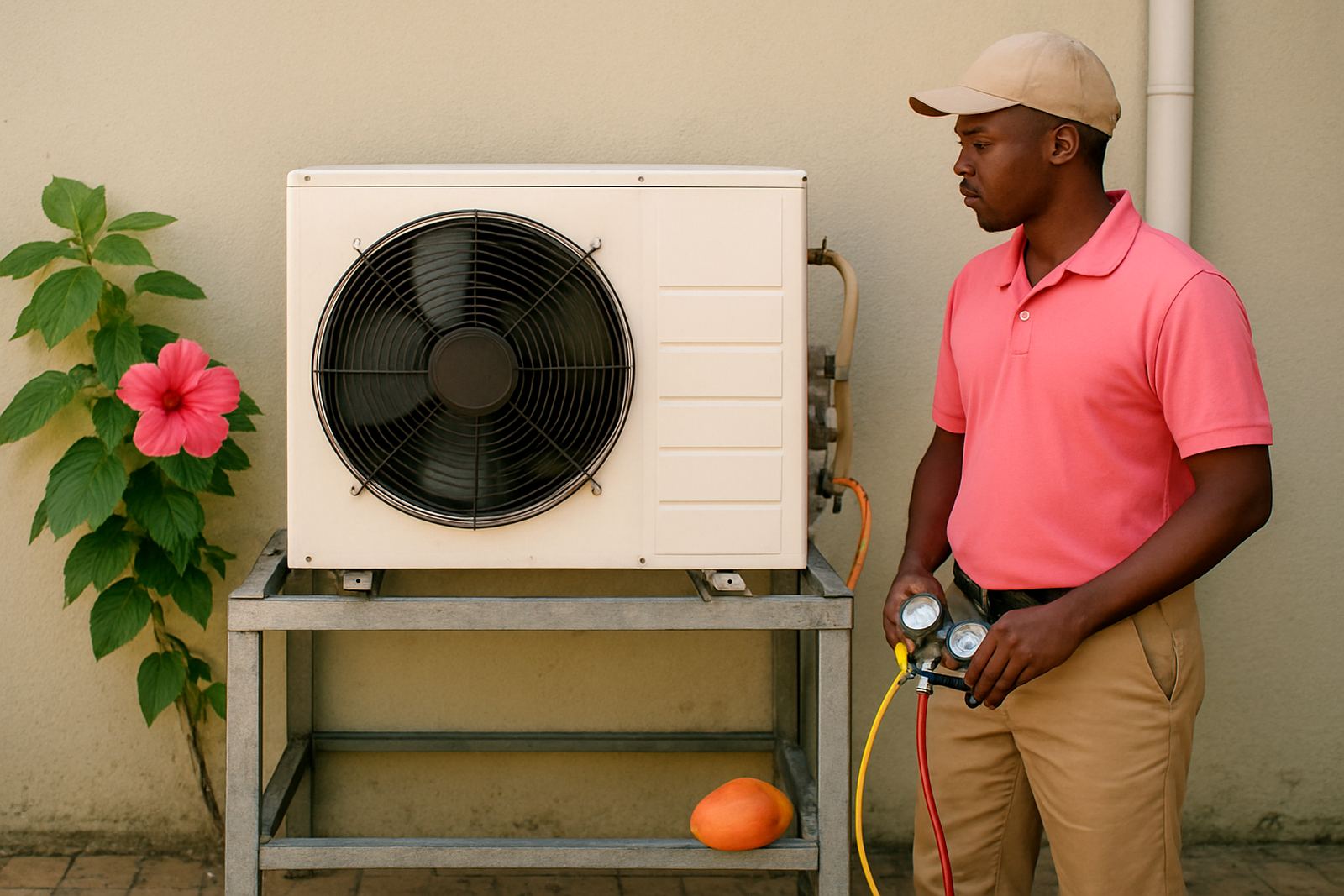
Refrigeration gas charge is factory-set or adjusted during commissioning depending on the model and line lengths. If a chiller is moved, damaged or has a leak, it may need leak detection, vacuum testing and a proper gas refill after repairs. We do not guess on charge levels. We check pressure, temperature pull-down and operating amp draw, then confirm the cabinet holds temperature under normal use. That is the difference between a unit that looks fine and one that actually is fine.
- Allow clear space around vents and condenser areas
- Keep the unit out of direct sun and away from ovens
- Use a level floor to help doors seal properly
- Fit a suitable power point and surge protection where needed
- Plan for backup power if the site loses electricity often
Care and servicing to keep temperatures steady
Regular care helps a milk chiller hold temperature and use less electricity. The basics are simple: clean the interior, wash and dry door seals, keep vents clear and check that the fan and compressor area are not packed with dust. At sites near the coast, salt air can build up quicker than expected, so condenser cleaning becomes even more important. A dirty coil makes the unit work harder and can push running costs up.
We recommend scheduled servicing for businesses that use the chiller every day. That includes temperature checks, electrical inspection, seal condition, fan operation and refrigerant leak checks. If the unit is cycling too often, frosting up, or taking too long to cool after stock is loaded, it needs attention before the fault becomes a breakdown. Small issues usually show first as warmer spots inside the cabinet, a louder fan, or a door that is not closing fully. Catch it early and you avoid spoiled stock and rushed repairs.
What to check before you place an order
Before ordering, it helps to know how much milk you store, what space is available, and how the unit will be used during the day. A café serving flat whites all morning has different needs to a store holding sealed dairy for afternoon collection. Measure the floor area, the doorway and any tight corners first. If the unit needs to pass through a service yard or a back entrance in Montague Gardens, make sure there is enough clearance for delivery and later maintenance access too.
- Daily milk volume and expected peak stock
- Cabinet size, door swing and available floor space
- Temperature range needed for your products
- Electrical supply and backup power options
- Whether you need display, storage or both
- Cleaning access and service access around the unit
Our team can talk through the options and match the unit to the site rather than forcing the site around the unit. That saves time, money and a fair bit of frustration later on.
Cape Town support from our Montague Gardens base
Tropical Refrigeration has been serving Cape Town and the Cape Peninsula since 2013 from our Montague Gardens base. We handle supply, installation, repairs and gas refills for milk chillers, air-conditioning and commercial refrigeration, with work across Cape Town CBD, Milnerton, Bellville, Claremont, Somerset West and Fish Hoek. Mandla Petersen leads the business with a team that includes technicians and coordinators who understand the pace of food service and the need for quick turnarounds.
If your milk chiller is not holding temperature, is icing up, or needs a new compressor, thermostat or leak repair, we can help. Email bookings@tropicalrefrigeration.co.za and tell us the unit size, the fault and where it is installed. If you have the make, model or a photo of the serial plate, send that too. It helps us arrive better prepared and keeps the job moving.
Key facts
| Temperature range | Typically 2 to 4 °C for fresh dairy storage |
|---|---|
| Capacity options | Compact undercounter to large upright storage cabinets |
| Power supply | Usually 230 V single phase, subject to model |
| Cooling type | Fan-assisted or static cooling, depending on application |
| Finish options | Stainless steel or coated cabinet surfaces |
| Service needs | Condenser cleaning, seal checks, leak testing and gas charge checks |