What an Ice Machine Does in a Working Kitchen
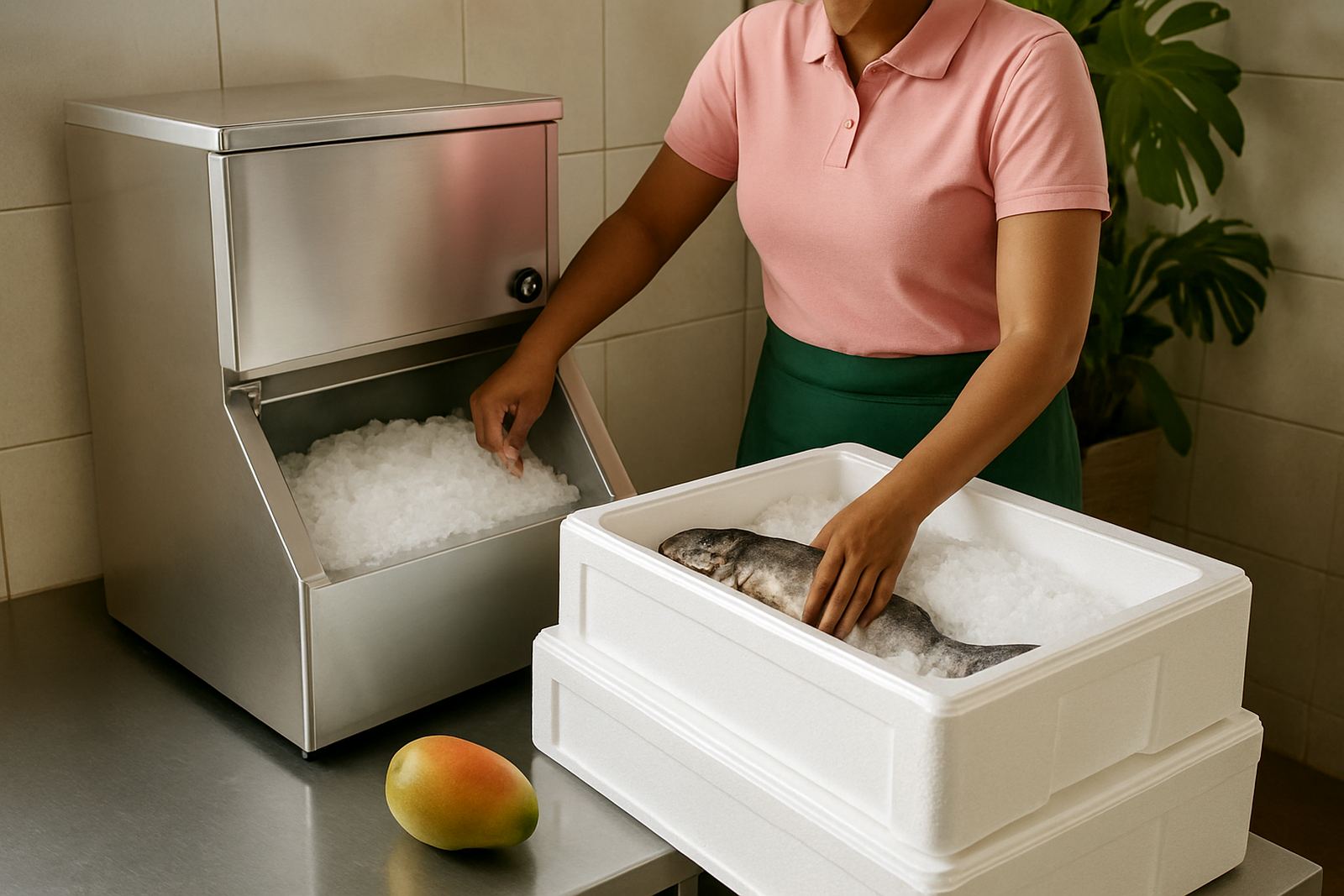
An ice machine makes ice on site instead of relying on delivery or bagged stock. That matters in Cape Town where summer trade can jump quickly, and where a late delivery can leave a bar, café or venue short for the evening rush. For hospitality sites, one machine can cover drinks service, display bins, chillers and simple prep tasks like holding seafood or salads at a safe temperature during short service windows.
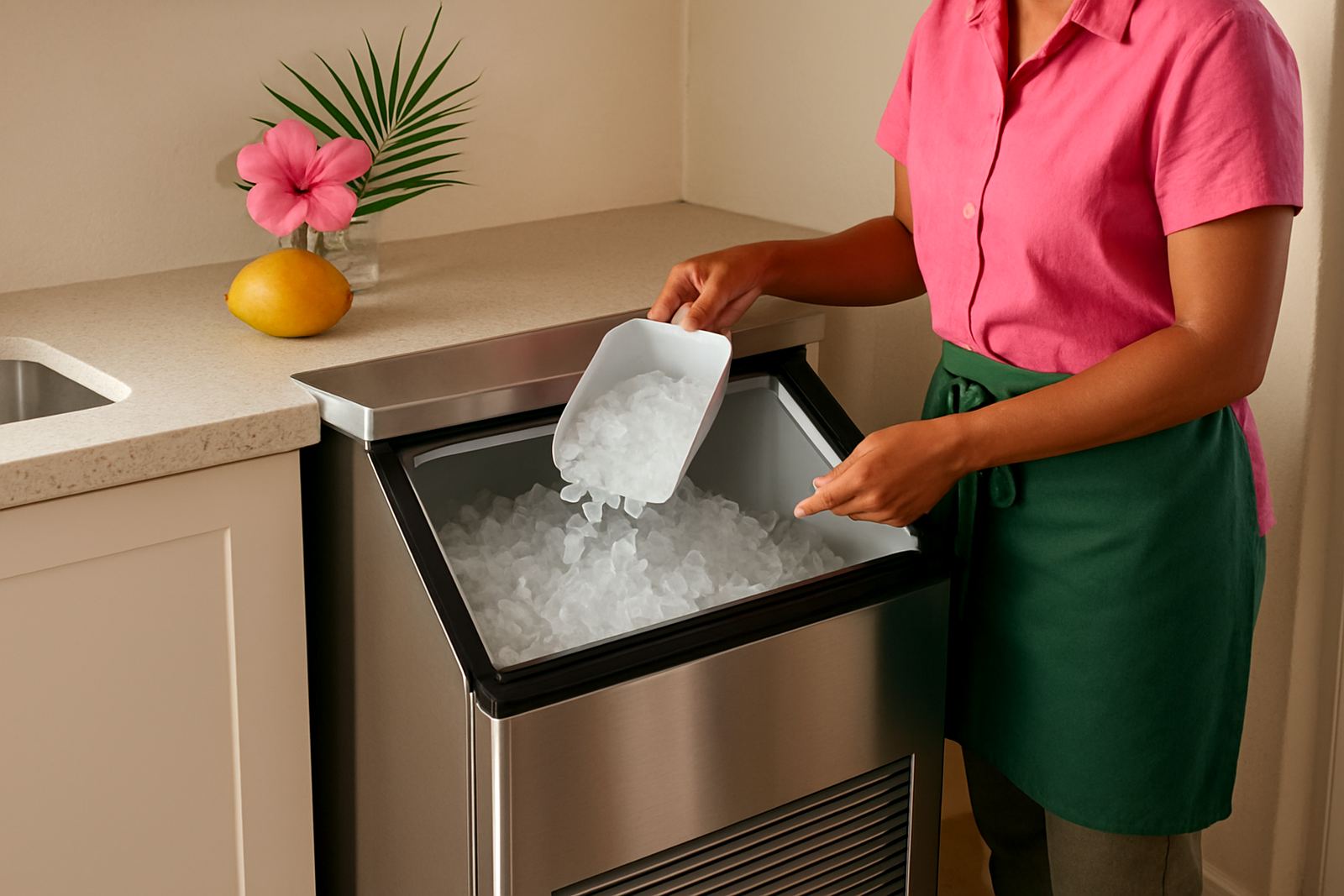
Most commercial units draw in water, freeze it on a timed cycle and store the finished ice in an insulated bin. Output is measured in kilograms per day, while storage is measured in kilograms or by bin capacity. Smaller undercounter units suit compact spaces, while larger modular systems suit high-volume use in hotels, banqueting halls and busy kitchens. In practice, the right choice depends on how many people you serve, how often you need ice and how much floor space you can spare.
Sizes, Output Rates and Ice Types We Commonly Supply
Different sites need different ice shapes and production rates. Cubed ice works well for drinks, nugget style ice is popular in self-service and healthcare settings, and flake ice is often used for food display or keeping product cold in transit. The machine has to match the way your team uses it, otherwise the bin runs empty at the wrong time or ice clumps because it sits too long.
- Small undercounter machines: about 20 to 40 kg per day, suitable for cafés, salons and small offices with client service areas.
- Medium units: around 50 to 120 kg per day, a good fit for bars, restaurants and takeaway counters.
- High-output modular systems: 150 kg per day and up, used in larger venues, hotels and food service operations.
- Storage bins: usually 15 to 70 kg capacity, depending on the daily peak and how often staff draw ice.
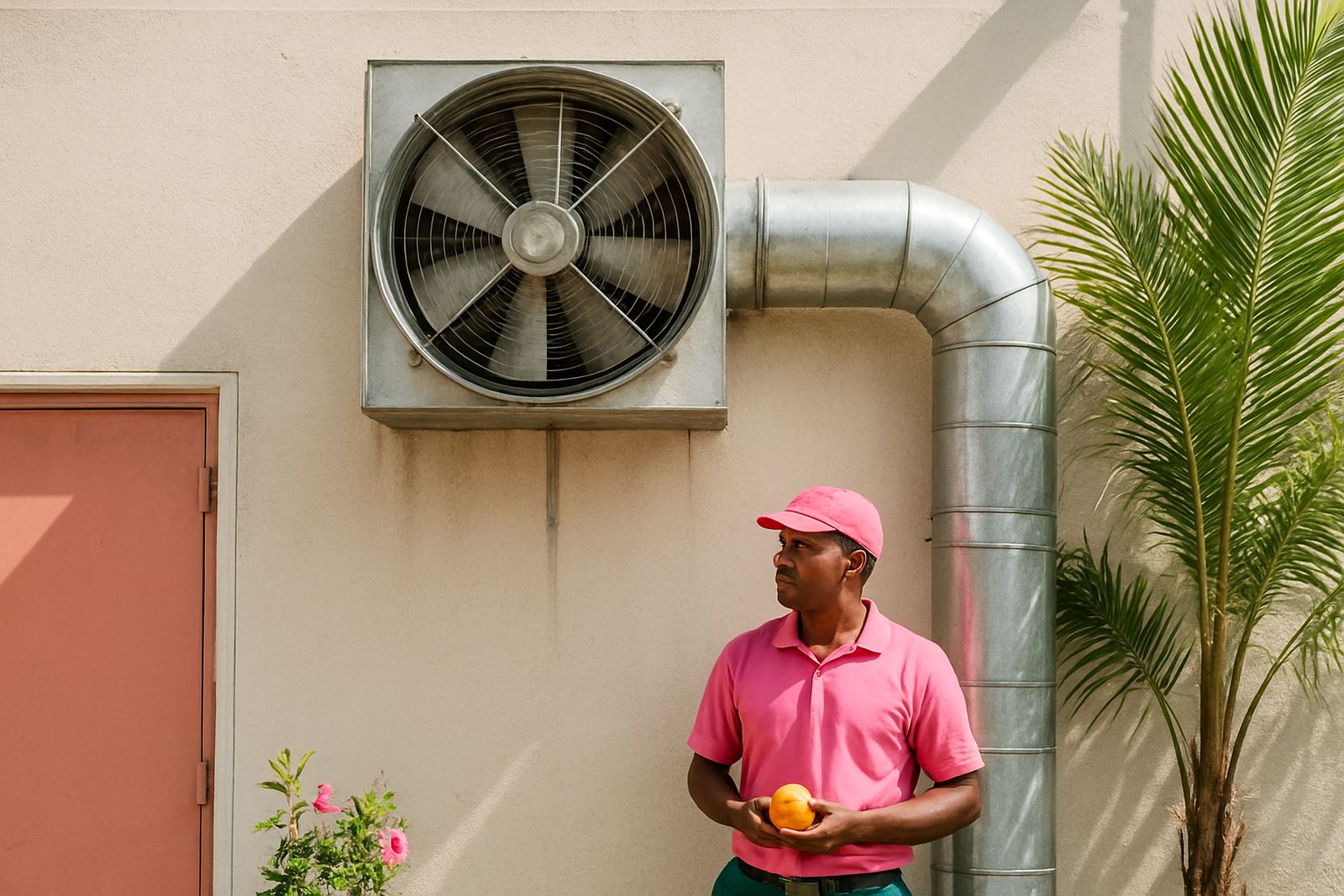
We also look at ambient conditions. A machine in a warm kitchen near ovens or dishwashers will work harder than one in a cooler back area, so the stated output should not be read in isolation. In coastal areas such as Milnerton, Fish Hoek and Somerset West, humidity can affect airflow and condensation, so correct siting and ventilation matter just as much as the rated output.
Where an Ice Machine Suits Best
Ice machines suit any site that serves cold drinks or stores chilled product through the day. In Cape Town CBD, a compact machine can support a small café or cocktail bar. In Bellville or Montague Gardens, a larger unit may be better for wholesalers, canteens and prep kitchens. In Claremont or Somerset West, many operators want a machine that sits quietly in the back of house and does not crowd the work area.
It is worth thinking beyond the counter. The machine needs access for cleaning, drainage, a water connection and enough clearance for air circulation. If the bin is placed against a wall or boxed into a tight corner, the condenser can overheat and production drops. We also check the site layout against practical issues like loading bays, floor drains and whether the room can handle a spill without water running under equipment.
- Bars and restaurants needing reliable drink service
- Cafés and bakeries with a small but steady ice demand
- Hotels, guest houses and function venues
- Food prep rooms, cold display counters and seafood use
Installation, Power and Water Requirements
Installing an ice machine is not only about plugging it in. The unit needs the right water supply, a proper drain and a stable electrical point. Most commercial machines run on standard single-phase power, although larger models may need a heavier supply. We check the site first so the machine is placed where it can breathe, drain correctly and stay level. If the floor slopes or the drain sits too high, the unit may back up water or cycle poorly.
For Cape Town businesses dealing with load-shedding, the machine should be planned with backup power in mind. If the site already runs a generator or inverter system, we confirm the starting load and the running load before installation. Some machines draw more power on start-up, so a system that looks sufficient on paper may still trip if the supply is undersized. Water quality also affects performance. Hard water leaves scale on internal parts and in the bin, which can shorten life and affect ice clarity.
Care, Cleaning and Regular Servicing
Ice machines need routine care if you want consistent output and clean ice. The bin, water lines and internal surfaces should be cleaned on a regular schedule because slime, scale and airborne dust can build up faster than many operators expect. In a busy kitchen the machine may be opened often, and each opening lets in heat and humidity. That puts more strain on the system and can cause ice to melt and refreeze into blocks.
Servicing usually includes checking the water inlet, pump, filters, evaporator surfaces, fan operation and thermostat settings. We also look for signs of slow freezing, poor ice shape, noisy compressors and leaks around fittings. A machine that is running but making less ice than usual often has a simple fault at the start, and catching it early is cheaper than waiting for a full breakdown.
- Clean the bin and external surfaces often
- Descale where water hardness is a problem
- Keep intake and exhaust areas clear
- Check door seals and lids for tight closure
- Book service before summer peak trade
What to Check Before You Order
Before you place an order, decide how much ice you need on a normal day and on your busiest day. A machine that covers only average trade can leave you short during weekends, events or hot spells. You should also check the available space, the water point, the drain and whether the room can handle heat and noise. If the machine will sit near food, it must be easy to clean around, not tucked behind bins or stacked stock.
Ask about the ice type, daily output, storage size and service access. If you expect heavy use, it may make more sense to choose a slightly larger unit than to push a smaller one at full capacity every day. It is also wise to confirm spare parts availability and service support in Cape Town, because an ice machine that sits idle during the busy season can affect trade quickly. We help customers compare models, match the unit to the site and arrange installation and follow-up repairs when needed.
Key facts
| Product type | Commercial ice machine for bars, cafés, venues and food service |
|---|---|
| Output range | About 20 kg to 150 kg plus per day, depending on model |
| Ice styles | Cubed, nugget and flake options |
| Power requirement | Usually single-phase supply, larger units may need heavier electrical capacity |
| Water and drainage | Direct water connection with proper gravity drain or pumped drain where needed |
| Typical fit | Undercounter units, mid-size back-of-house models and modular high-output systems |