What an extraction system does in a working space
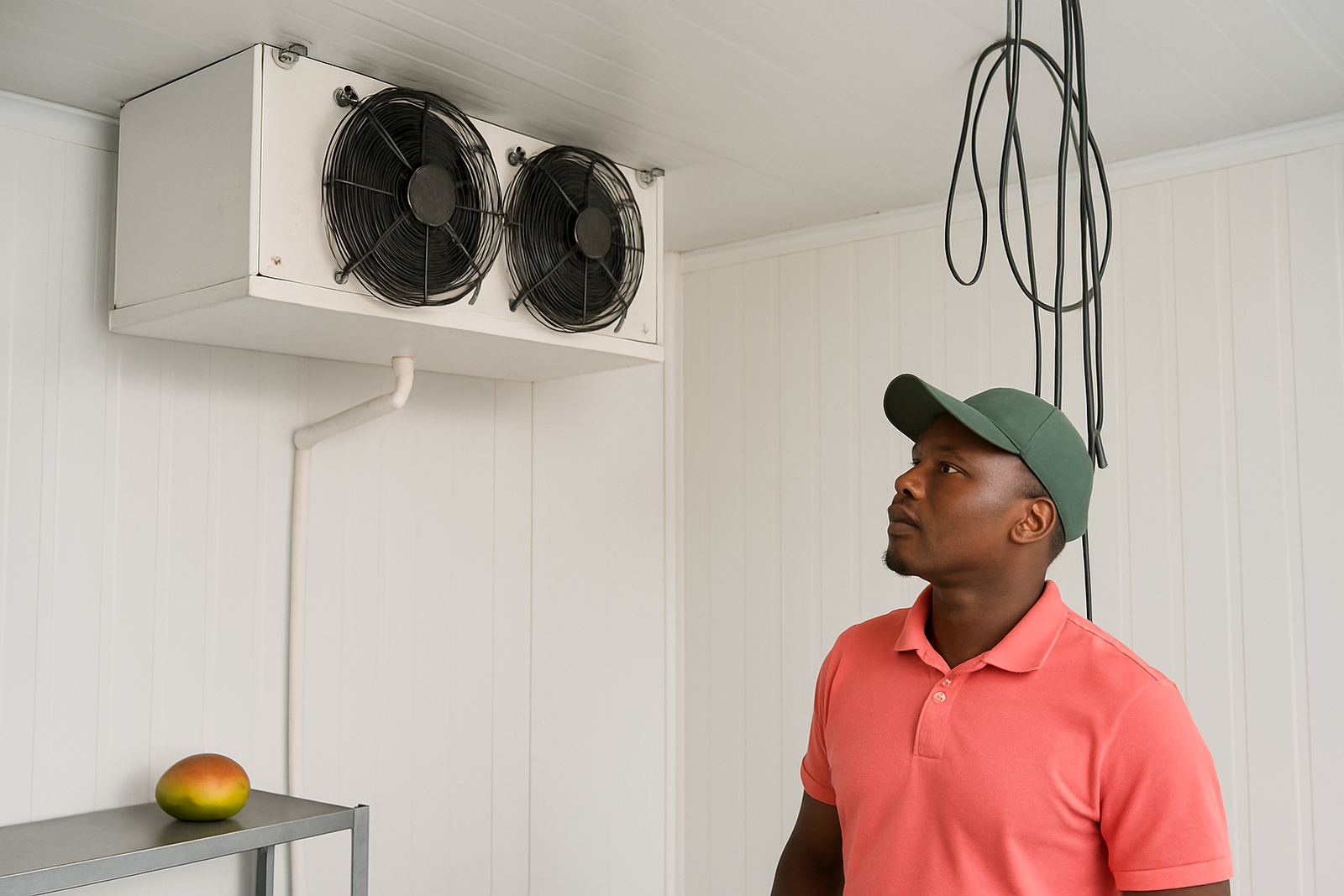
An extraction system pulls used air out of a room and replaces it with cleaner incoming air, helping control heat, odours, smoke, moisture and airborne fumes. In Cape Town, that matters in rooms that run hot through summer, on sites that close up for load-shedding, and in coastal areas where damp air can build up fast.
We supply systems for light commercial and heavier duty use, with options that suit single rooms, linked work areas, and plant spaces. A small system may use one fan and short duct run, while larger sites often need separate extract points, filters and speed control. The right setup depends on what you are removing, how often the space is occupied, and whether there is enough fresh air coming back in.
If the system is undersized, it will fight the heat and still leave stale air hanging about. If it is too large, it can waste power and pull dust into the room. The aim is to match the fan, ducting and outlet positions to the job, not just fit the biggest unit available.
Sizes and options for Cape Town sites
Extraction systems are normally specified by airflow, measured in cubic metres per hour or litres per second. Smaller rooms often need compact wall or ceiling mounted units, while kitchens, workshops and service rooms may need ducted systems with separate grilles and stronger motors. For longer duct runs, we can size the fan to handle the resistance caused by bends, filters and roof termination.
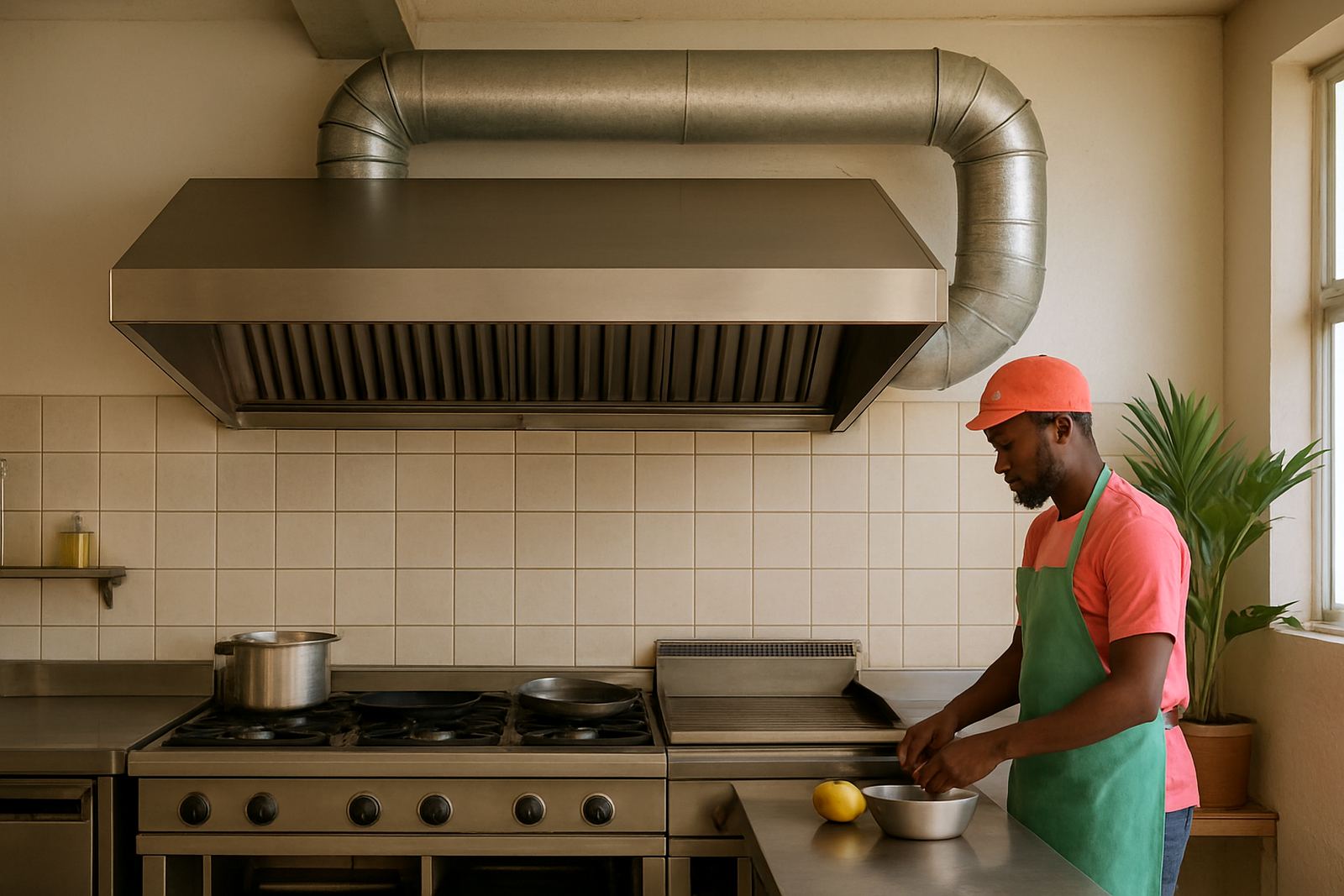
Common options include direct extract fans, centrifugal fans, roof extract units and ducted systems with grease or dust filters where needed. In some sites, a system only removes heat and stale air. In others, it must also cope with fumes from cooking, soldering, cleaning chemicals or machinery. We will usually look at the source point first, because extracting close to the problem gives better results than trying to clear the whole room after the fact.
- Compact single-room extract fans for small offices, stores or utility areas
- Ducted systems for kitchens, workshops and plant rooms
- Roof-mounted extract units for larger air volumes
- Filtered systems where dust, grease or vapour needs to be trapped before discharge
Where extraction systems work best
These systems suit any space where heat and air quality become a problem during the day. We fit them in commercial kitchens, laundries, salons, print rooms, mechanical rooms, small factories, back-of-house areas and some office spaces where windows cannot stay open because of noise, security or weather.
They also help in enclosed areas that are affected by equipment running for long periods, such as inverter rooms, generator enclosures and storage rooms with poor cross-ventilation. On the Cape Peninsula, sea air and humidity can make corrosion and condensation worse, so good airflow can help protect both people and equipment.
If your site already uses air-conditioning, extraction can still be needed. Aircon cools the space, but it does not always remove fumes or heavy stale air. In a busy kitchen or workshop, the two systems should work together, not replace one another.
- Spaces with heat build-up from machinery or cooking equipment
- Rooms with moisture, smoke, grease or chemical fumes
- Enclosed areas with little natural airflow
- Sites that need cleaner working conditions during long operating hours
Installation, ducting and power requirements
We handle installation from the fan position through to ducting, fixings, switches and final testing. The layout needs to suit the building, roof access, ceiling height and where the air should exit. A short, straight duct run is usually better than a long route with too many bends, because every bend adds resistance and can cut performance.
Power needs vary by unit size. Smaller extract fans may run on standard single-phase supply, while larger commercial systems can need a dedicated circuit and proper isolator. In some buildings, the electrician may also need to check startup current and whether the site can handle the load during peak use or when other equipment starts up. If the power goes off often, we can also look at where airflow is still needed once supply returns.
For roof exits and external discharge points, we make sure the outlet is placed to reduce re-entry of dirty air and to suit local building rules. That matters in tight CBD sites and in shared properties where neighbours or tenants may be affected.
Servicing to keep airflow steady
Extraction systems need periodic cleaning and checking, especially where grease, dust or moisture is part of daily use. A blocked filter, dirty impeller or loose belt can reduce airflow and make the unit noisier. Over time, that can put extra strain on the motor and shorten its life.
Regular service keeps the system moving the way it should. We check fan condition, wiring, filter load, mounts, vibration, duct leaks and outlet condition. Where a system is running in a coastal area such as Milnerton, Fish Hoek or Somerset West, we also keep an eye on corrosion and fastener wear.
- Clean filters and grease traps where fitted
- Check fan motor, bearings and wiring
- Inspect duct joints for leaks or blockages
- Test airflow and noise levels after service
If you notice a system getting louder, weaker, or leaving the room stuffy after an hour or two, that is usually a sign it needs attention before it fails completely.
What to check before you place an order
Before ordering, it helps to know the room size, what is being extracted, where the air should discharge, and how often the system will run. We also need to know if there is enough wall or roof space for the unit, whether the area has an existing duct path, and if the site has single-phase or three-phase power available.
Other useful details include ceiling height, roof type, filter needs, noise limits and whether the unit must run alongside air-conditioning. If the room sits in Cape Town CBD or a shared building, there may be access limits, roof safety rules or body corporate conditions that affect the install. In industrial areas like Montague Gardens, it may be more about load capacity, access for maintenance and keeping service clear.
If you are not sure what size you need, send us the room dimensions, photos of the space and a short note on what the system must remove. That usually gives us enough to suggest the right airflow range and the most practical setup.
Key facts
| Airflow range | From small single-room fans to large commercial ducted systems, sized to the site |
|---|---|
| Power supply | Single-phase or three-phase depending on fan size and duty |
| Mounting options | Wall mounted, ceiling mounted or roof mounted |
| Ducting | Short direct runs or full ducted layouts with bends, grilles and discharge points |
| Typical use | Heat, fumes, smoke, moisture and stale air removal |
| Service areas | Cape Town CBD, Milnerton, Bellville, Claremont, Somerset West and Fish Hoek |