What a display fridge does in daily trade
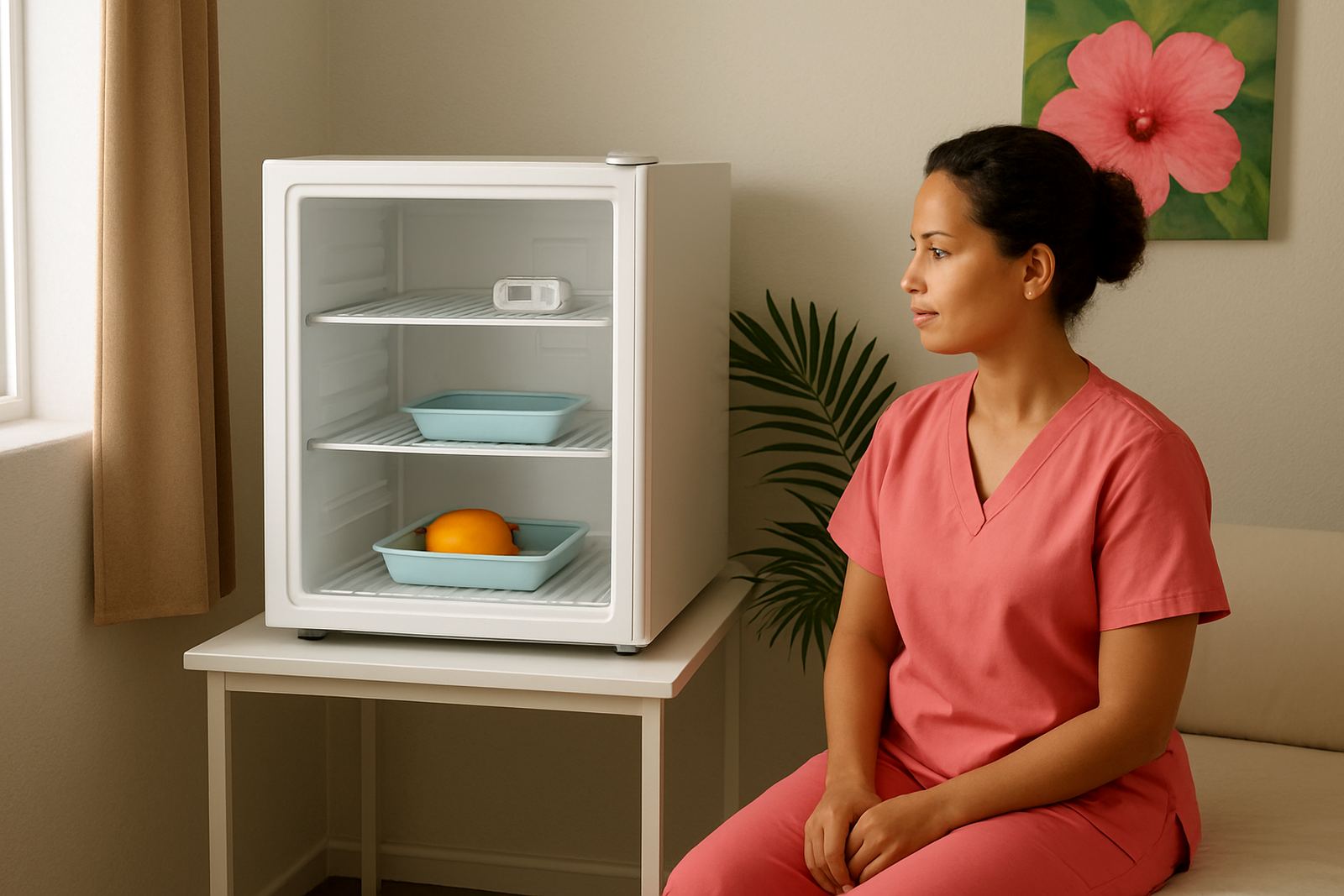
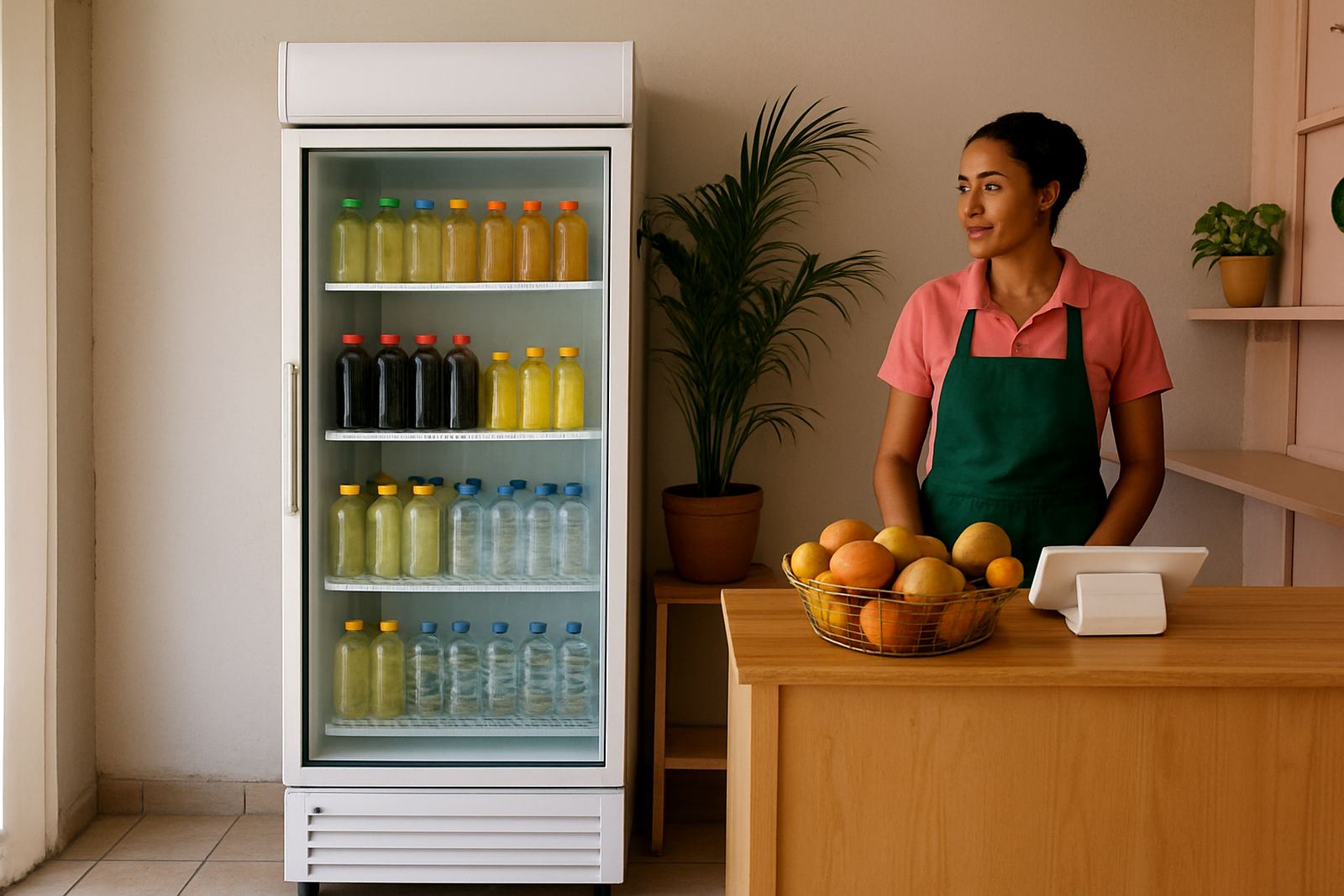
A display fridge is an upright refrigerated cabinet with glass doors or a clear front so customers and staff can see stock without opening the unit for long. That helps keep the temperature steadier, which matters in busy shops, small cafés and office canteens where the door may open many times an hour.
These fridges are commonly used for cold drinks, yoghurts, salads, milk, desserts and prepacked food. In Cape Town, where summer heat and coastal humidity can push units hard, the right size and airflow around the cabinet make a real difference to running costs and food safety. A fridge packed too tightly or standing in a hot corner will work harder and use more power.
- Clear product visibility for fast customer selection
- Better stock rotation than closed storage fridges
- Suitable for front-of-house and back-of-house use
- Works well in small spaces where floor area is limited
Common sizes, door options and internal layout
Display fridges come in a range of upright sizes, from compact single-door units to larger multi-door cabinets for higher daily turnover. The internal layout usually includes adjustable shelves so you can set shelf height for cans, bottles, meal packs or dairy trays. Some units have solid sides for better insulation, while others are built for maximum visibility in a retail setting.
When choosing a size, look at both the footprint and the loaded capacity. A fridge that fits the room but cannot handle the number of items sold by midday will cause problems. For smaller premises in the CBD or Claremont, a single door unit may be enough. For busier stores in Bellville, Milnerton or Somerset West, a wider cabinet or twin door unit often makes more sense.
- Single door units for small cafés, reception areas and offices
- Double door units for convenience stores and high foot traffic spots
- Adjustable shelving for bottles, tubs and prepared foods
- Lockable castors or fixed feet depending on site layout
Where a display fridge fits best in Cape Town
These units suit any place where chilled stock must be seen quickly and accessed often. We install and support display fridges for shops, cafés, takeaway counters, service stations, staff kitchens and customer waiting areas. In coastal suburbs like Fish Hoek, corrosion and salt air can affect external metalwork, so the placement and care routine matter. In hot inland parts of the peninsula, good ventilation around the cabinet is equally important.
A display fridge can also work well in office buildings that serve refreshments to clients or staff. If the unit is going into a reception area, it should run quietly and allow easy cleaning around the base. For back-of-house use, access to drain points, sockets and service space should be planned before the fridge arrives.
- Retail shops and convenience stores
- Cafés, bakeries and takeaway counters
- Reception areas and office kitchens
- Schools, clubs and small hospitality venues
Installation, power supply and heat control
Correct installation matters as much as the fridge itself. The cabinet must stand level, have enough space around the condenser area and sit near a properly rated power point. Overloaded extensions and loose plugs can cause faults, especially when load-shedding ends and power returns. We check the site setup before installation so the unit starts off right.
Most display fridges run on standard electrical supply, but the starting load and running draw must be matched to the circuit. If the unit is fitted in a hot kitchen corner or near ovens, coffee machines or direct sunlight, the compressor will cycle more often. That shortens component life and can lead to uneven cooling. Good airflow behind and above the cabinet is not optional, it is part of the install.
- Level positioning to prevent door swing issues and poor drainage
- Correct socket rating and safe cable routing
- Clear space around the back and top for heat release
- Site checks for sunlight, ovens and poor ventilation
Temperature control, refrigerant and food safety checks
A display fridge should hold stock at a stable chilled range, usually around 0 to 5 degrees Celsius for most retail food and drinks. The exact setting depends on the product type and how often the door opens. If the cabinet struggles to hold temperature, it may need a gas refill, leak detection, thermostat replacement or compressor work. Ignoring weak cooling can spoil stock fast and drive power use up.
We check for the usual signs of trouble such as icing, warm spots, noisy fans, short cycling and water collecting inside the cabinet. On older units, seals and hinges often fail before the major components do. Once a unit is repaired, the thermostat should be tested again under normal load, not only when the fridge is empty.
- Target temperature for most chilled retail stock: 0 to 5 degrees Celsius
- Watch for frost build-up, warm shelves and repeated cycling
- Door seals should close firmly with no daylight gaps
- Any refrigerant leak must be found before topping up gas
Cleaning and servicing that keep the unit selling
Regular care keeps a display fridge dependable. Shelves, door seals and drain trays need cleaning, and the condenser area should be cleared of dust so the compressor can breathe properly. In Cape Town, dusty roads and coastal moisture can clog fins and fans quicker than many owners expect. If you leave it too long, the fridge starts running hot and the running cost climbs.
A proper service also checks fan motors, controls, lights, wiring and the condition of the insulation. For busy shops, we recommend planned servicing before peak summer periods and again after the hottest months. That helps avoid stock losses, especially where the fridge carries dairy or prepared food. Small issues are easier to fix early than after a complete breakdown.
- Clean door seals and shelves weekly
- Vacuum condenser coils and remove dust build-up
- Check drain trays and water flow
- Book a service before peak summer trading
What to check before you place an order
Before ordering a display fridge, measure the available floor space, doorway width and ceiling height so delivery and positioning do not become a problem. Check whether the unit must fit through a narrow passage, into a mall kiosk or down a back corridor. Also confirm the stock type, because beverage bottles, pastries and sealed meal packs each need a different shelf spacing and temperature approach.
It is also worth checking your power point location, ventilation space and daily stock volume. If you expect heavier trade on weekends or during holiday periods, ask for a cabinet that can handle the load without running flat out. For sites in the Cape Peninsula, we also look at humidity, airflow and corrosion exposure before recommending where the unit should stand.
- Measure access paths, not only the final wall space
- Match shelf layout to the products you sell
- Confirm the power point and ventilation clearance
- Choose capacity with peak trade in mind
Key facts
| Product type | Upright chilled display fridge for retail and food service |
|---|---|
| Typical sizes | Single door, double door and larger multi-door cabinet options |
| Temperature range | Usually 0 to 5 degrees Celsius for chilled stock |
| Power supply | Standard electrical supply with correct circuit rating |
| Common uses | Shops, cafés, offices, reception areas and takeaway counters |
| Service needs | Cleaning, seal checks, coil cleaning, gas leak checks and thermostat testing |