A Constantia brief with strict storage conditions
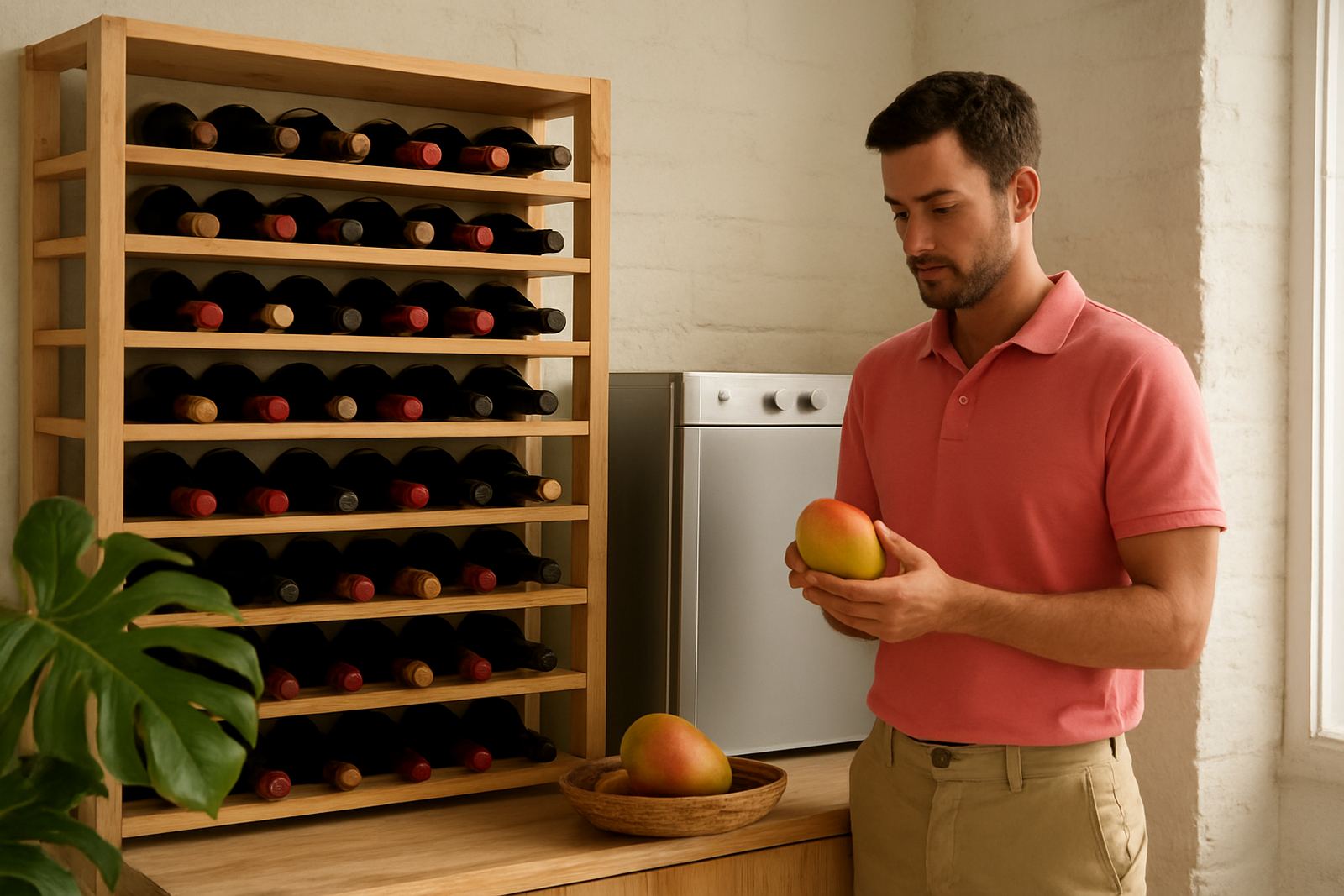
The client wanted a proper wine room, not just a cool corner with a small unit on the wall. The property in Constantia had space for a dedicated storage room, but the family wanted the room to sit neatly within the home, with no bulky plant visible in living areas and no noise carrying into adjacent rooms.
The brief was to hold the room at a stable 12 to 14 degrees C for mixed wine storage, with controlled humidity to protect corks and labels. Because the home is in a leafy part of the Cape Peninsula, we also had to deal with summer heat gain, winter damp and periods of load shedding. In simple terms, the room had to stay predictable even when the rest of the house did not. There was little margin for error, and the finish on the inside of the room had to stay clean, with no sweating, mould or odour build-up.
Site limits, finishes and utility planning
The space came with a few constraints. The room was inside an existing home, so we had to work around finished ceilings, fitted joinery and a compact footprint. The owner also wanted low sound levels, since the room sat close to a lounge area. Access for service was another point, because any refrigeration equipment needed to be reachable without disturbing the storage layout.
- Existing room size: about 3.2 m x 2.4 m x 2.5 m high
- Target temperature band: 12 to 14 degrees C
- Relative humidity target: 55 to 65 percent
- Noise requirement: suitable for a private home, no constant fan drone
- Power backup: tied into the home backup supply for outage periods
We also checked the room envelope before installation. That meant looking at insulation, vapour control and door sealing. A wine room can only perform well if the shell is tight, so we paid attention to every gap around the frame and service penetrations. Without that step, even a good cooling system will work too hard and the temperatures drift. That is where many home wine rooms go wrong.
What we supplied and fitted
We supplied and installed a split refrigeration arrangement sized to the room load, with a quiet indoor cooling unit, remote condensing equipment and a proper drain route for condensate. The cooling side was matched to the room volume and the insulation value, rather than guessed from square metres alone. We also installed temperature control, humidity management support and the necessary safety isolators.
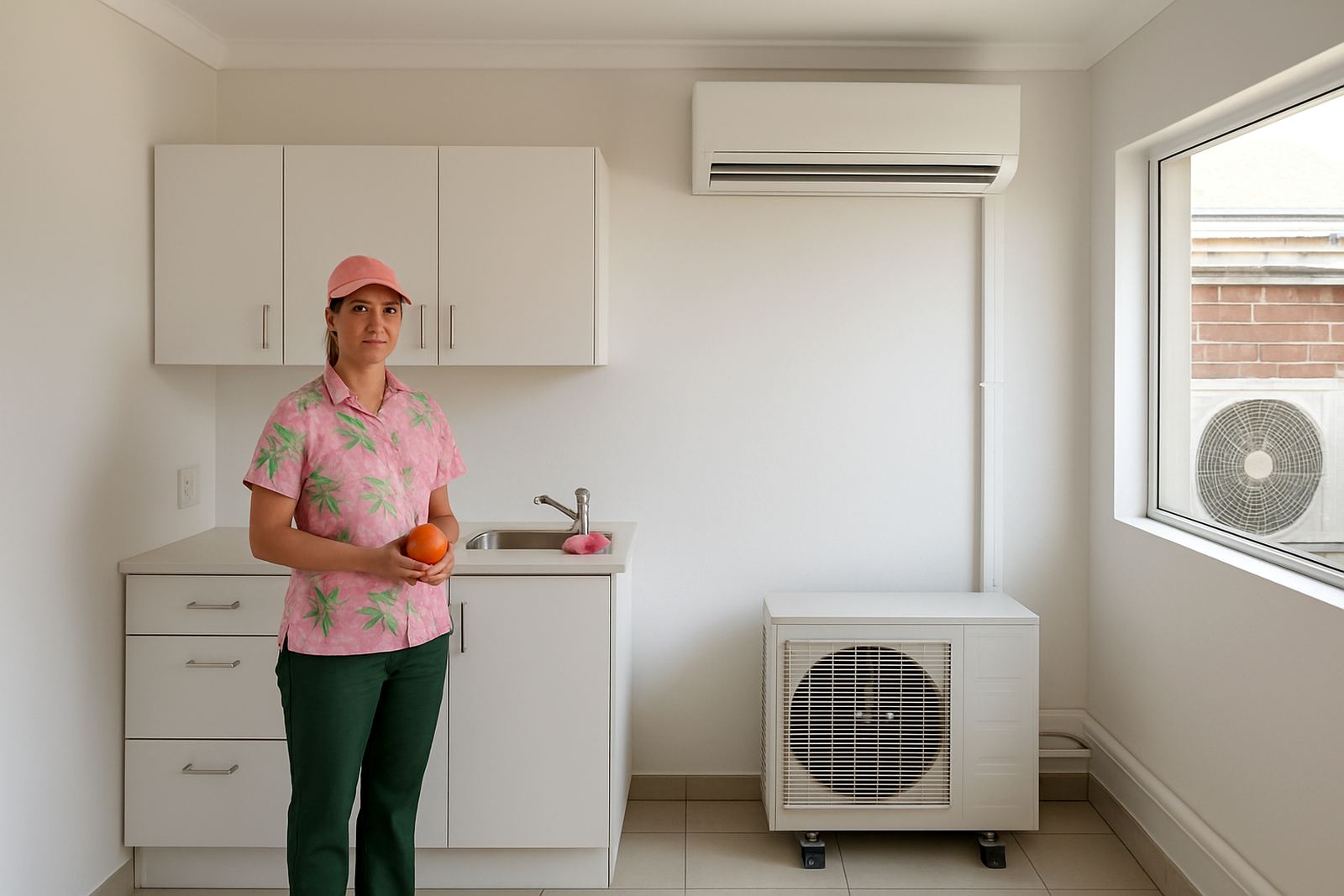
- High-wall evaporator unit with low-noise fan profile
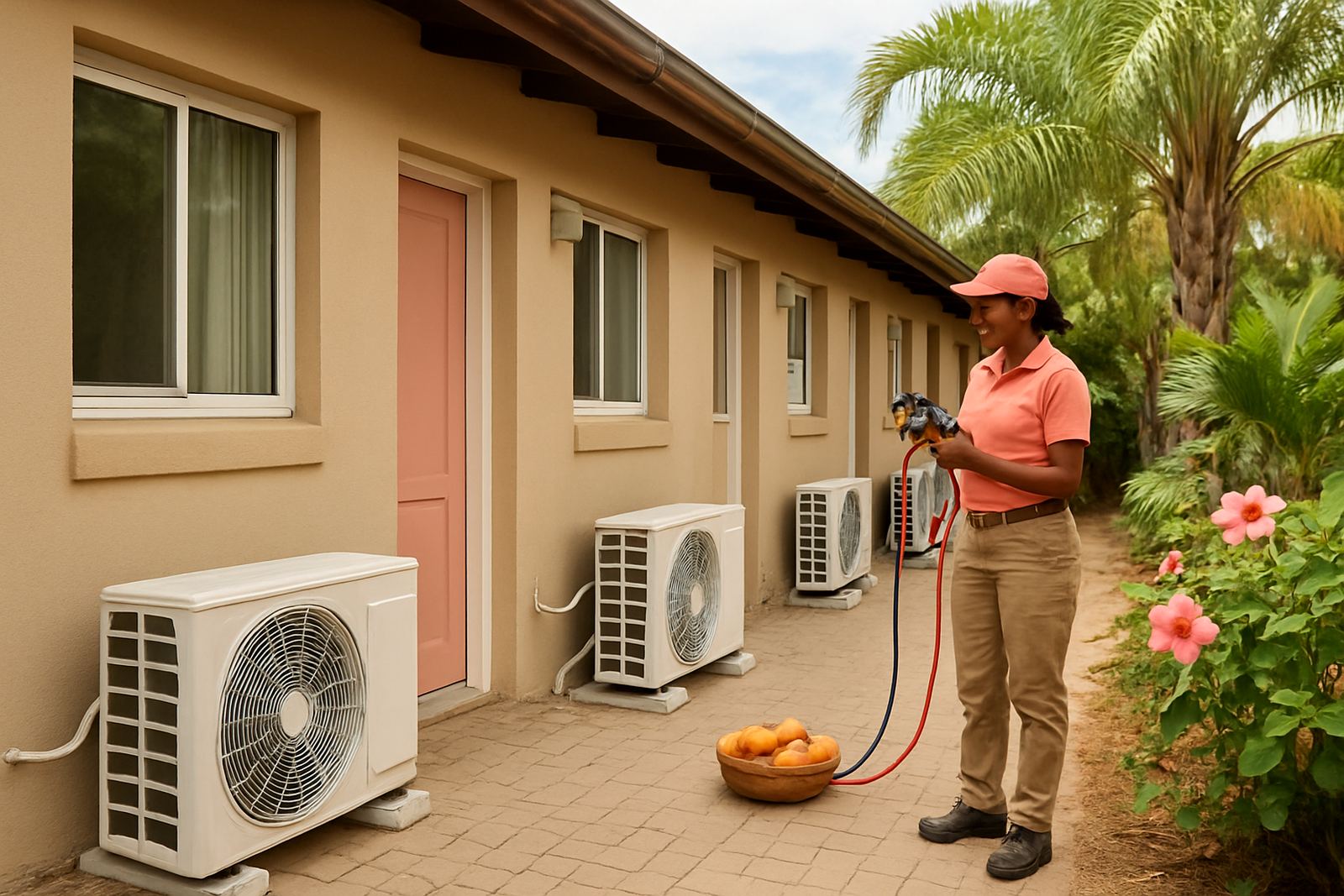
- Outdoor condensing section positioned away from entertainment areas
- Digital thermostat with adjustable setpoint and differential
- Insulated copper line set with neat wall penetrations
- Drain line for condensate management
- Electrical isolator and label set for service access
The refrigerant circuit was pressure tested, evacuated and charged to specification. We then ran the system under load and checked pull-down time, cycling behaviour and cabinet temperature stability. The client wanted a room that could recover quickly after the door was opened for bottle access, but not overshoot and swing too far. That balance is important in wine storage, especially where the room may be opened several times in one evening. We adjusted the control settings on site until the room settled properly.
How the build unfolded over three weeks
The project ran over three weeks from the first site visit to final handover. Week one was site assessment, measurements and confirming the room envelope. Week two covered installation of the refrigeration equipment, line sets and controls. Week three was testing, fine tuning and a final walk-through with the client.
Because this was a private residence, we worked carefully around daily home use and kept the footprint tidy. Tools, packaging and offcuts were cleared each day, and the family could still move through the house without disruption. We also planned the outside unit location so it would not compete with the garden or patio area, which mattered on this property. A rushed wine room often ends up noisy, leaky or plain awkward to use, so we kept the pace steady and checked each stage before moving on.
Results in the room and in the bottle
Once commissioned, the room held temperature within the expected band and recovered quickly after access. The humidity stayed in a safe range, helping protect corks, labels and the internal finishes. The equipment cycled cleanly instead of running flat out for long periods, which is a better outcome for electricity use and for service life.
The client gained a proper storage room that fits the house and the way they use it. No damp smell, no condensation on the walls and no noisy compromise in the background. More importantly, the wine can now be stored at a consistent condition through Cape Town summer heat, coastal damp and the usual winter cold snaps. That gives peace of mind when bottles are being held for years rather than weeks.
What we would repeat on the next wine room
If we were doing this project again, we would approach it the same way: start with the room shell, size the system to the true heat load and keep the controls simple for the client. The success of a wine room is not only in the equipment, it is in the details around insulation, door sealing, drain routing and service access.
- Confirm the room envelope before selecting equipment
- Use quiet plant locations away from living and entertaining areas
- Plan for load shedding and recovery time from the start
- Test humidity and temperature over several days, not just one afternoon
- Leave clear access for future maintenance and gas checks
For a Constantia home, those points matter. The climate, the finish on the house and the expectations of the owner all shape the job. A controlled wine room should feel like part of the property, not a mechanical add-on, and that was the standard we worked to here.
Key facts
| Project | Constantia Wine Room |
|---|---|
| Client type | Private residential client |
| Location | Constantia, Cape Town |
| Installed temperature range | 12 to 14 degrees C |
| Humidity range | 55 to 65 percent RH |
| Timeline | 3 weeks from site visit to handover |