Buzzing, rattling and clicking usually start small
Most strange aircon noises begin as a light sound that comes and goes. In Cape Town homes and offices, that can mean a panel is loose, a fan blade is touching something, or a relay is struggling to switch properly. If the unit still cools, people often ignore it until the noise gets worse or the aircon starts tripping the power. That is when a small fault becomes a longer repair.
A good rule is this: if the sound was not there last week, it should not be there now. Modern air conditioners and cold room units are built to run quietly. New knocking, squealing or humming means a part is moving the wrong way, or under strain. On the peninsula, salty air can also speed up corrosion on fittings and fasteners, so a loose screw or bracket is not unusual after a few seasons near the coast.
What the noise may be telling you
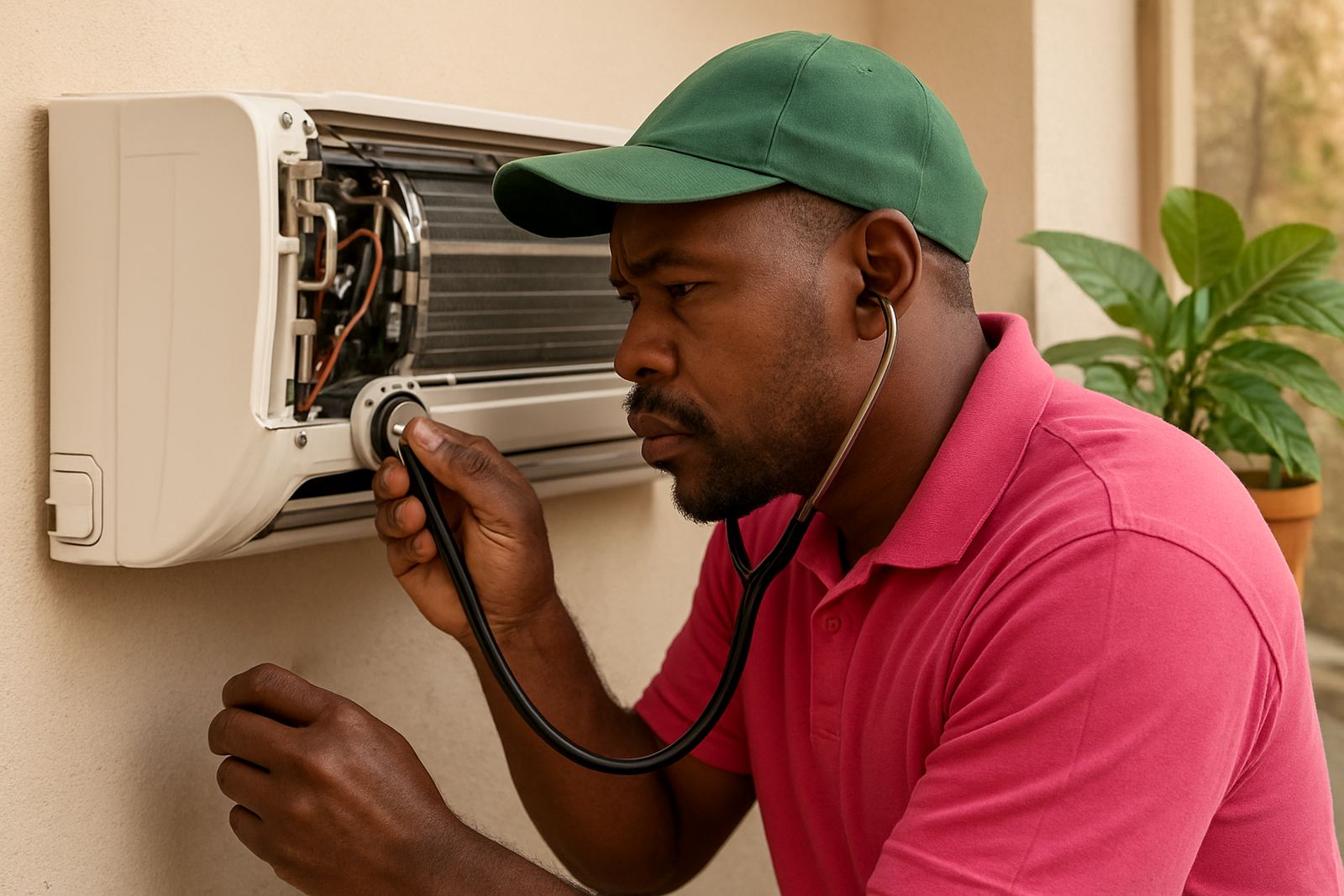
Different sounds usually point to different faults. A buzzing sound can come from electrical parts, a failing contactor, or a fan motor that is struggling. A rattling sound often means a cover, grille or internal component has worked loose. Clicking can be normal when a unit starts and stops, but repeated clicking with no cooling may point to thermostat trouble or a relay that is not engaging cleanly.
- Buzzing: possible electrical issue, faulty motor, or debris around the fan.
- Rattling: loose screws, vibrating pipework, or a worn bracket.
- Clicking: normal start-up sometimes, but repeated clicking can mean control faults.
- Grinding or squealing: bearings, fan motor wear, or a part rubbing where it should not.
If you hear a sound only when the unit starts, note the time and how long it lasts. If the sound continues while running, switch the unit off and have it checked. In summer heat across Milnerton, Bellville or Somerset West, people often keep units running all day, which makes early warning sounds more important not less.
What you can check before calling for help
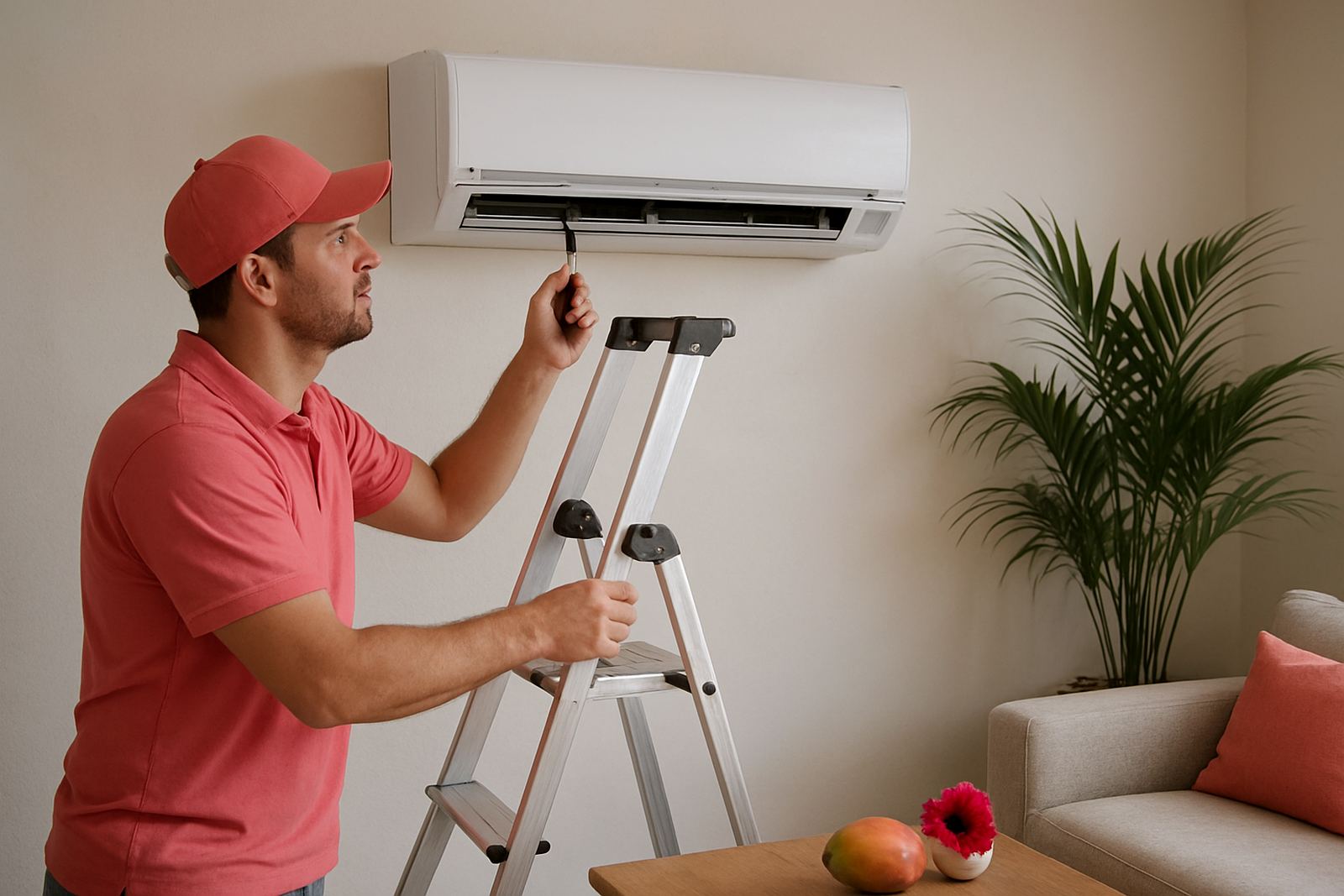
There are a few simple checks you can do safely before booking a service call. Keep power off if you need to look near the indoor unit, and never open sealed electrical compartments yourself. A visual check can still save time.
- Make sure the filters are clean and seated properly.
- Check whether the indoor cover is closed fully and not vibrating.
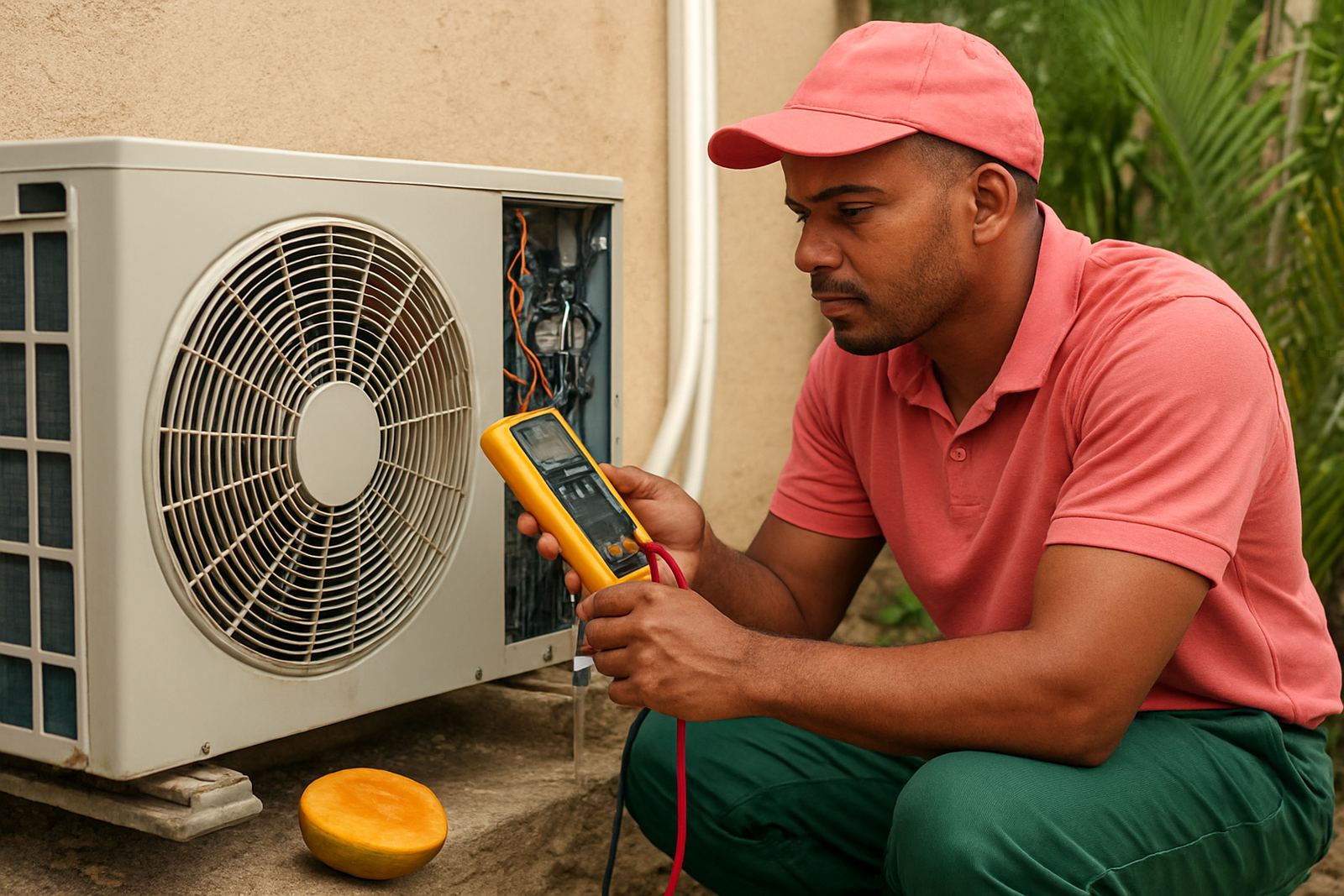
- Look for anything touching the outdoor unit, such as branches, cables or building debris.
- Listen for whether the sound comes from the indoor unit, outdoor unit, or both.
- Check whether the air from the unit has weakened or turned warmer.
If the noise changes when the fan speed changes, that is useful information for the technician. If the unit smells hot, or the breaker trips, stop using it. A unit that runs loudly during load shedding recovery can also show up weaknesses in the motor or capacitor, especially after repeated starts and stops.
Why Cape Town weather makes some faults worse
Cape Town conditions can be hard on air-conditioning systems. Coastal humidity, salt in the air, and dusty summer winds all take a toll on moving parts and electrical connections. In Fish Hoek and other coastal areas, corrosion can loosen fixings and make covers vibrate. In older buildings in the CBD or Claremont, units are sometimes tucked into tight spots with poor airflow, which makes fans work harder and increases noise.
Outdoor units also need clear space around them. If a condenser is boxed in, placed too close to a wall, or sitting on uneven brackets, it can hum and shake. That vibration travels into the building and sounds worse inside than it is outside. It is not just irritating, it also shortens the life of the compressor and fan motor. A little maintenance now can prevent a bigger repair later.
For offices, noise can be more than a comfort issue. A rattling unit in a meeting room or reception area can affect staff and customers. In a small shop or surgery, people hear it all day. That is usually when they start asking whether a gas refill will fix it, but gas is only one part of the picture. If there is a leak, a worn fan or a bad motor, topping up gas without finding the cause will not solve the noise.
When to book a repair instead of waiting
Do not wait if the sound is getting louder, the unit is cycling on and off, or the cooling has dropped at the same time. These are signs that the system is under pressure. A technician can check the fan motor, thermostat, capacitor, pipework, drain line and electrical connections, then test whether the unit is operating within the right pressure and temperature range.
Waiting too long can turn a simple fix into a compressor replacement or a damaged printed control board. That is especially true for commercial refrigeration, where a noisy freezer or cold room can affect stock quickly. If the unit is holding food or medicine, there is no point pushing it through the day and hoping the sound disappears. The sooner it is checked, the less chance of spoilage.
At Tropical Refrigeration, we handle aircon installation, service and repairs across Cape Town and the Cape Peninsula, from Montague Gardens to Somerset West. We also work on cold rooms, freezers, compressors and ventilation systems, so we can trace whether the noise starts in the aircon itself or somewhere else in the system. Sometimes it is a loose panel. Sometimes it is a fan bearing on the way out. The inspection tells the story.
How to keep a quiet system running properly
Good maintenance keeps noise down and helps the unit last longer. Regular cleaning, proper mounting and timely repairs matter more than most people think. A service also gives the technician a chance to tighten fittings, check drain lines and confirm that the motor is running without strain.
- Service domestic units before peak summer heat.
- Keep outdoor units clear of dust, leaves and stored items.
- Ask for leak detection if gas levels keep dropping.
- Have loose covers, noisy fans and weak motors checked early.
- For offices and shops, schedule checks after heavy use periods.
If you hear a new sound, write it down and mention when it started. That makes diagnosis quicker and usually saves a return visit. In many cases the fix is straightforward, but only if the fault is caught before the unit runs itself into a bigger problem. A quiet system is not just nicer to live or work with, it is usually a healthier one too.