Why compressor trouble shows up in the first place
The compressor is the part that pushes refrigerant through the system and creates the cooling cycle. When it starts to wear, overheat, or struggle with low gas, the unit usually does not stop working all at once. It gives warning signs first, and those signs are often blamed on the weather, the thermostat, or even power cuts.
In Cape Town, that matters because units already work hard in summer, and many systems have to deal with coastal moisture, dust, and load-shedding. A compressor that is already under strain may last through one more season, or it may fail completely when demand is highest. Catching it early can save the rest of the system from damage.
Hard starting is one of the first clues
If a unit takes longer than usual to start, starts with a heavy hum, or needs a second attempt before it runs, the compressor may be struggling. Sometimes the lights dip or the breaker trips when the system tries to start. That can point to worn internal parts, a weak capacitor, or a compressor that is drawing too much current.
People often switch the system off and on a few times and hope it settles, but that can make the problem worse. Repeated starts place extra strain on the windings and can turn a repairable fault into a full replacement. If the unit sounds strained every time it starts, do not ignore it.
- Long pause before cooling begins
- Low humming or clicking at start-up
- Breaker trips when the unit kicks in
- Unit starts only after several attempts
Tripping and short cycling often point to overload
When a compressor is overheating or drawing more amps than it should, the safety controls may trip to protect the system. The aircon or refrigeration unit then runs for a few minutes, stops, and tries again. That pattern is called short cycling, and it is bad for the compressor, the contactor, and the rest of the electrical parts.
In a shop in Bellville or a home in Claremont, short cycling may be mistaken for a thermostat issue. That is possible, but if the unit is also noisy, warm at the back, or not reaching temperature, the compressor should be checked. On three phase systems, voltage issues can also show up this way, especially after municipal supply dips or generator switchover on site.
Poor cooling is not always a gas refill issue
Weak cooling is one of the most common complaints we hear. The room feels muggy, the cold room is sitting a few degrees too warm, or the freezer takes too long to pull down after restocking. Low gas can cause poor cooling, but a weak compressor can create similar symptoms. That is why proper fault finding matters instead of guess work.
A compressor that is losing pressure internally may still run, but it cannot move enough refrigerant through the system. You may notice longer running times, higher electricity use, and uneven cooling from one part of the room to another. In some cases the evaporator is sweating badly while the product still is not cold enough. Those mixed signs usually need a technician on site, not another top-up and a hope for the best.
- Aircon blows cool for a short time, then goes warm
- Cold room temperature keeps drifting up
- Freezer cannot hold set point after normal use
- Power bill climbs without better performance
Noise, heat and burning smells need quick attention
A compressor in trouble can sound louder than usual, with knocking, buzzing, rattling, or a hard metallic hum. The casing may feel hotter than normal and the pipework can become unusually warm or cold in odd places. If there is a burnt smell near the outdoor unit, switch it off and have it checked before further use.
Do not keep restarting a unit that smells burnt. Electrical damage can spread fast and once the windings are damaged, repair options narrow down quickly. In humid coastal areas like Fish Hoek and Somerset West, corrosion and damp can also speed up electrical faults if the unit has not been serviced regularly.
What technicians check before recommending replacement
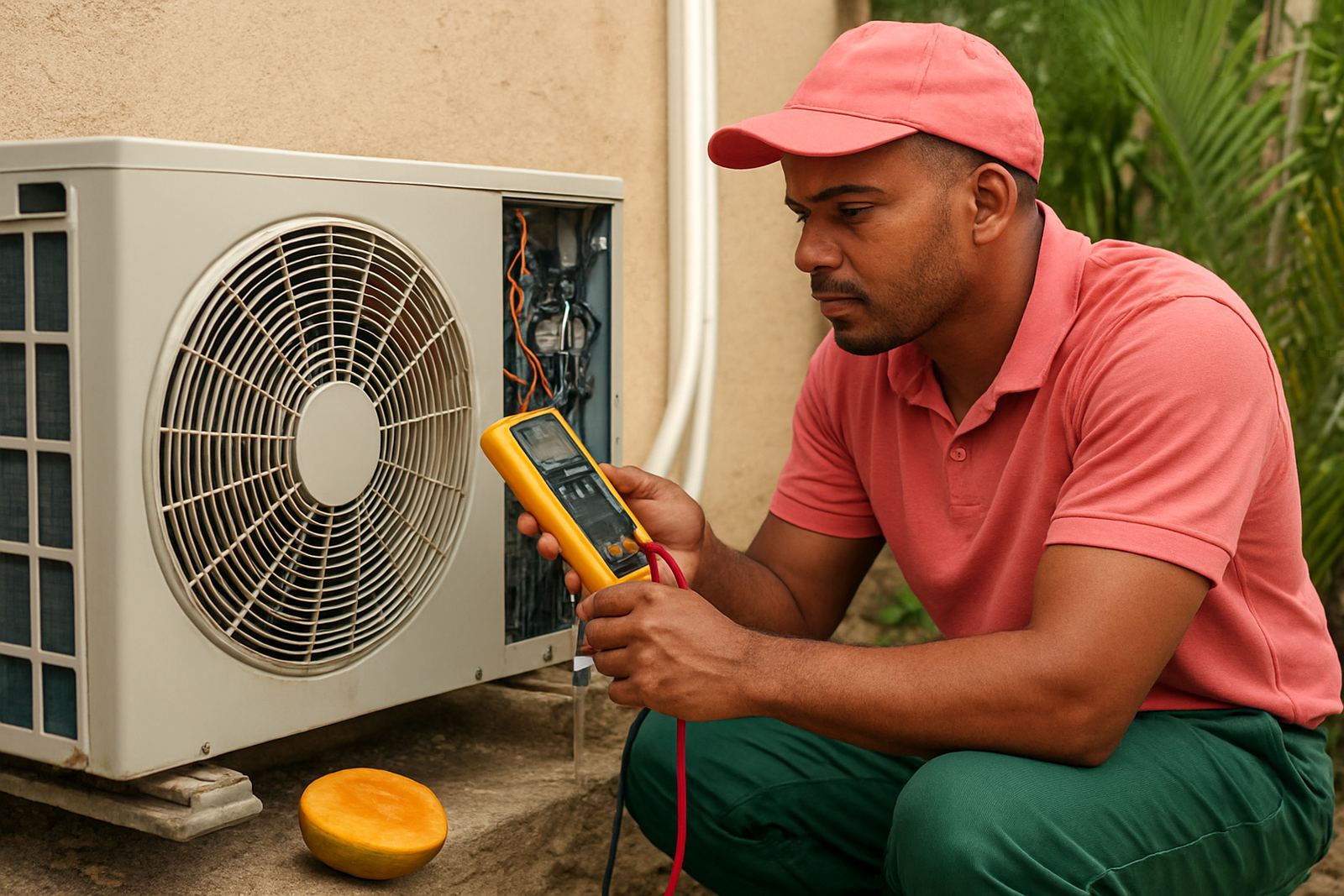
A proper inspection looks at the full system, not just the compressor itself. The technician will check running amps, starting components, refrigerant pressure, condenser airflow, thermostat signals, and whether the system has any signs of leakage or restriction. Sometimes the compressor is only the visible symptom of a bigger problem elsewhere in the circuit.
For example, a blocked condenser coil in a Montague Gardens warehouse can make a good compressor work too hard. A failed fan motor, dirty filters, or a damaged contactor can create symptoms that look similar to compressor failure. That is why accurate diagnosis matters before spending money on a major part.
- Current draw and start-up load
- Condition of capacitors, relays and contactors
- Refrigerant pressure and system balance
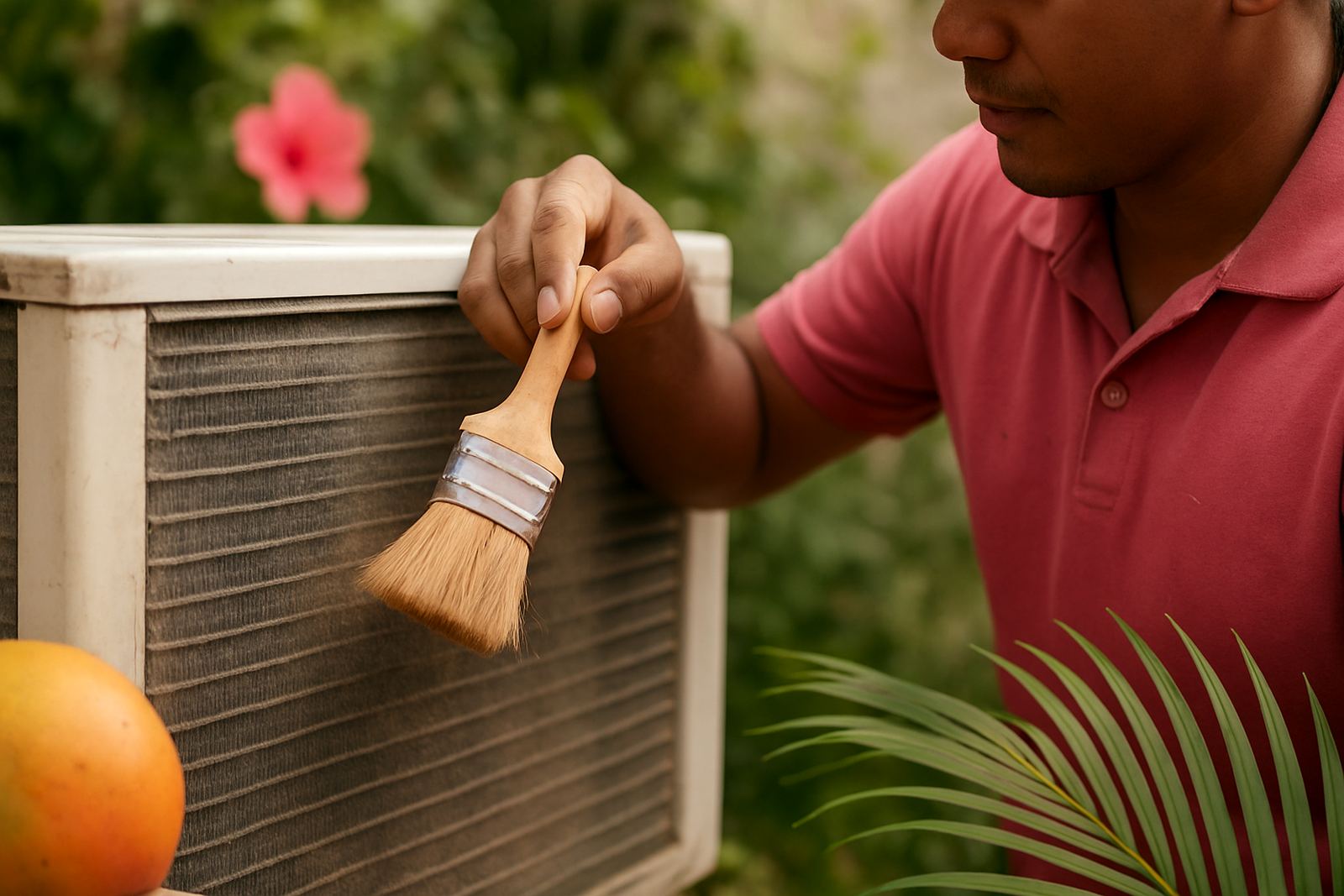
- Airflow through indoor and outdoor coils
- Signs of oil staining, leaks or overheating
Cape Town examples and when to call us
We often see this in offices near the Cape Town CBD where a split unit starts tripping after lunch, or in a small restaurant in Milnerton where the cold room is running flat out but the product is not holding. In both cases, the compressor may be failing, but the real answer only comes after testing on site. Waiting usually costs more than acting early.
If your aircon hard starts, keeps tripping, or no longer cools properly, book an inspection before the fault spreads. Tropical Refrigeration has been serving Cape Town and the Peninsula since 2013 from our Montague Gardens base. We handle aircon repairs, gas refills, compressor replacement, cold room repairs, freezer repairs and fault finding across the city, from Bellville and Claremont through to Somerset West and Fish Hoek. Email bookings@tropicalrefrigeration.co.za for service scheduling.