Why a small gap in the seal causes a big problem
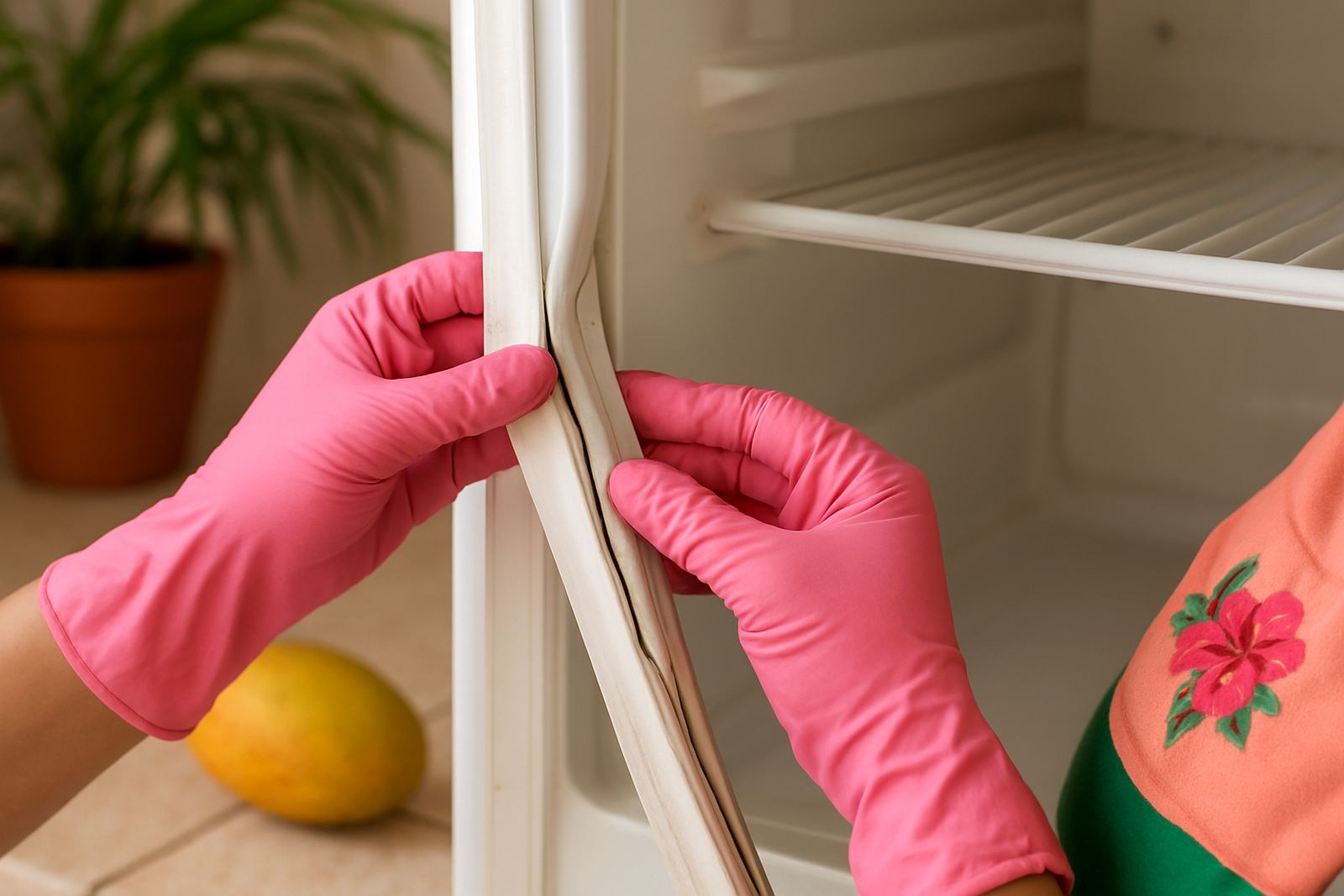
The door seal, also called a gasket, is the rubber strip that keeps cold air inside the freezer and warm air out. When it starts to split, harden or pull away from the frame, the freezer has to keep chasing the set temperature. That can lead to high power use, thick frost on the cabinet and uneven cooling near the door.
In Cape Town, this gets worse in homes and shops close to the coast, where salt air and moisture can age rubber faster. In places like Milnerton, Somerset West and Fish Hoek, we often see seals that look fine at first glance but no longer grip properly. A freezer may still run, yet it works too hard and still leaves soft ice cream or sweaty packaging near the front.
Simple checks you can do before calling for service
There are a few quick checks that can show whether the seal is still doing its job. You do not need special tools, only a careful look and a bit of time.
- Look for cracks, flat spots, cuts or sections that have come loose from the door.
- Close the door on a sheet of paper and pull it out. If it slides out very easily, the seal may be weak.
- Check for frost around the door edge, especially at the corners.
- Listen for the motor running longer than normal after the door has been opened.
- Wipe the gasket clean and check if it feels hard or brittle instead of flexible.
If the freezer is in a busy kitchen or shop, ask staff to check whether the door closes fully every time. A crate, basket or stock box left too close to the hinge side can stop the seal from sitting properly, and that small mistake can cost power all day.
Signs the gasket is already failing
Some warning signs are easy to miss because they build up slowly. You may notice more condensation on the door frame, a heavier frost line inside, or a freezer that needs defrosting more often than before. In commercial units, stock near the front may show soft edges or ice crystals while the back still looks fine.
Another common sign is noise. When the seal leaks, the compressor cycles more often and may sound like it is never getting a proper rest. If the cabinet is in a garage, back room or utility area, you might only hear this at night when the space is quiet. That is often when owners realise something is off.
- Door feels heavier to close or does not bounce back into place.
- Visible gaps at the corners when the door is shut.
- Water pooling under a chest freezer after defrost.
- Higher Eskom bill without any change in usage.
Why Cape Town conditions wear seals faster
Cape Town weather puts extra pressure on freezer seals. Summer heat in the Cape Peninsula raises the temperature difference between the inside of the cabinet and the room outside, so even a small leak matters more. In winter, damp air can work into old rubber and cause mould, staining and sticky edges that stop a good seal from forming.
Load-shedding also plays a part. Every time the freezer stops and starts again, the door area sees changes in temperature and moisture. In shops around Bellville, Claremont and the CBD, we often see seals fail sooner where doors are opened many times a day and the cabinet sits near a kitchen oven or a sunny window. If the floor is uneven, the door can sag a little and the gasket will not meet the frame properly.
When a seal replacement is better than another repair
Not every freezer door issue means the whole unit is finished. In many cases, replacing the gasket is the right fix and it is far cheaper than dealing with compressor trouble later. But there are times when the frame, hinges or cabinet alignment also need attention. If the door is bent or the hinges have dropped, a new seal alone will not solve the problem.
We look at the full condition of the door before advising the next step. That includes the gasket profile, the hinge movement, the closing pressure and the condition of the cabinet lip. A freezer that has been pushed hard for months may also need a thermostat check, especially if the unit has been running long hours to make up for cold loss. The aim is to stop the leak, not just hide it for a week.
Practical maintenance for homes, shops and cold rooms
Good seal care is basic but it makes a real difference. Clean the gasket with mild soap and warm water, then dry it well. Do not use harsh chemicals because they can dry out the rubber. Keep the door closed properly, and avoid overloading the front section where the seal has to pull hardest.
For busy business sites, add freezer door seal checks to your monthly service list. That helps catch wear before it leads to stock loss. A few minutes spent on the door can save hours of defrosting and lost product later.
- Check seals after power cuts and long warm periods.
- Keep hinges tight and aligned.
- Remove ice build-up before it pushes the door off line.
- Make sure stock is not pressing against the door shelves or flap.
- Arrange a service if the gasket stays hard after cleaning.
At our Montague Gardens base, Tropical Refrigeration supports homes and businesses across Cape Town, from Milnerton and Bellville to Somerset West and Fish Hoek. If you need a seal checked, repaired or replaced, bookings can be sent to bookings@tropicalrefrigeration.co.za.