Why temperature control matters more than most owners think
Food safety temperatures are about more than avoiding spoilage. Once chilled or frozen stock moves outside the correct range, bacteria can grow faster, product quality drops, and you may have to write off food that should have lasted another day or two. For restaurants, butcheries, bakeries, caterers and small retail stores, that is money lost in one shift.
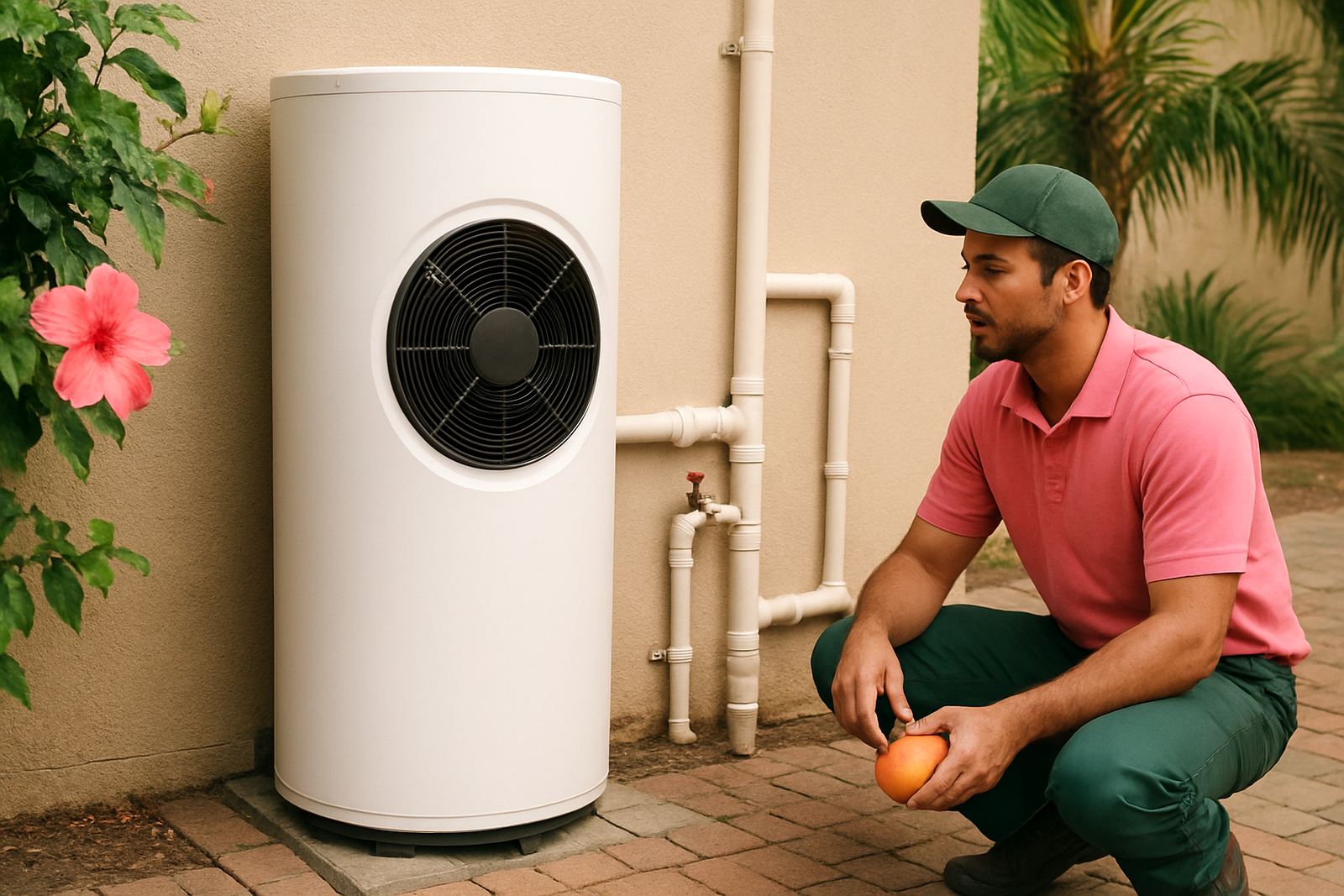
In Cape Town, refrigeration systems also work harder than many owners expect. A unit in Bellville does not face the same conditions as one in Fish Hoek or Somerset West, but all of them deal with warm delivery days, frequent door opening and power interruptions. If the equipment is not serviced properly, the risk goes up fast, and sometimes the warning signs are easy to miss.
The key ranges to keep on hand in your kitchen or store
Every operation should know its own HACCP or municipal food handling rules, but the practical ranges below are a solid starting point for daily checks. Keep a simple chart near each fridge and freezer, then train staff to write temperatures down at the same times every day.
- Chilled food: 0°C to 5°C
- Frozen food: -18°C or colder
- Hot holding: 60°C or warmer
- Thawing food: under refrigeration, not on counters
- Temperature logs: record at opening, mid-shift and closing where possible
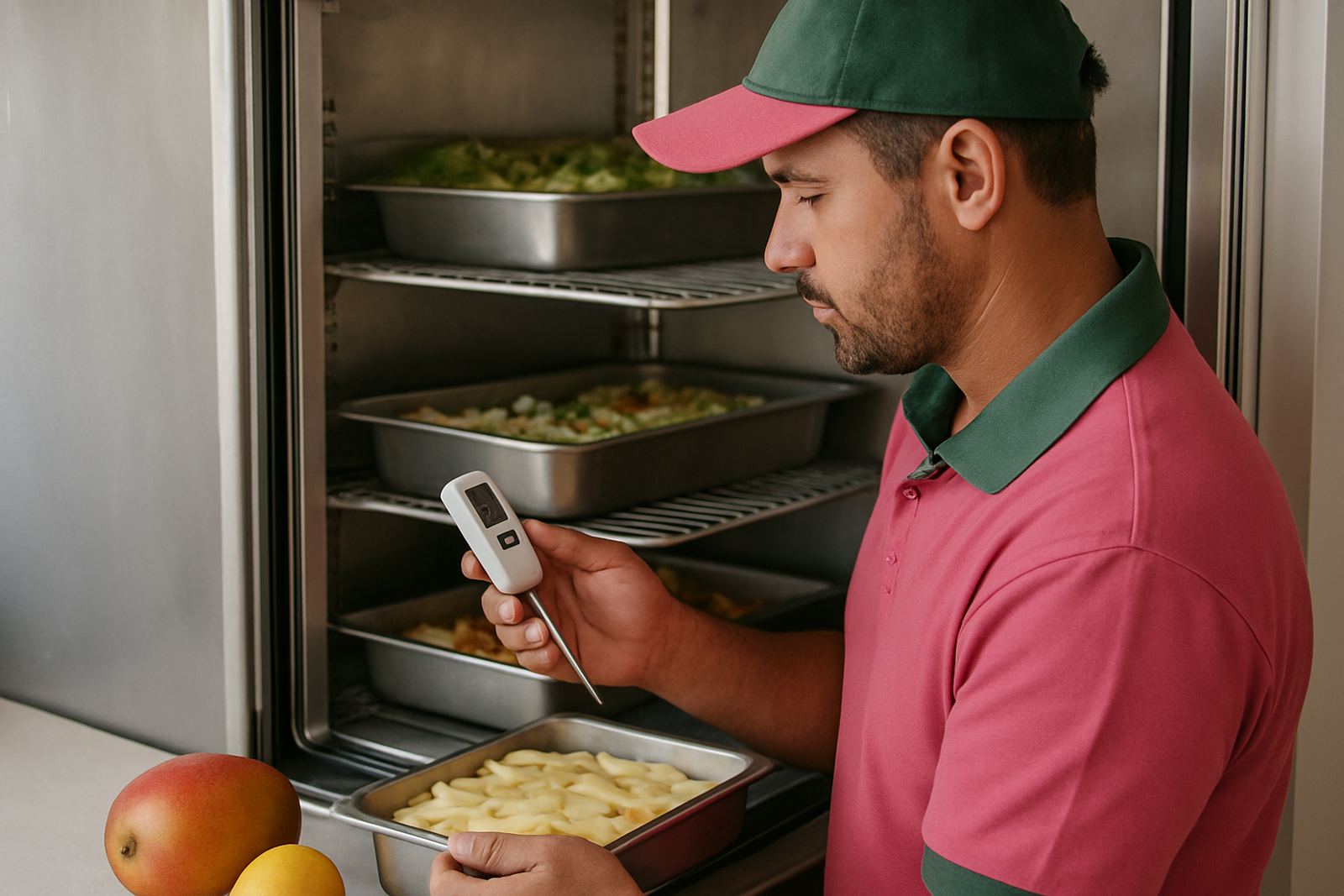
If you run a deli counter in Cape Town CBD or a small takeaway in Milnerton, a quick thermometer check can save a whole tray of stock. One fridge that looks cold enough by feel can still be sitting at 9°C or 10°C inside, which is too warm for safe holding.
The warning signs that your refrigeration is slipping
Most temperature problems start quietly. A door seal hardens, the condenser gets dusty, a fan motor weakens, or the thermostat starts reading too high. The unit may still run, but it runs longer and uses more power while product temp drifts out of range.
Look out for these signs before stock is affected:
- Ice building up on walls, pipes or around the fan
- Water pooling under a cold room or upright freezer
- Strange cycling, with the compressor starting and stopping too often
- Warm corners inside the cabinet, especially near the door
- Packages sweating in chilled storage or frost burn on frozen stock
In many cases the problem is not the entire system. It may be a leak, poor airflow, a faulty thermostat or a compressor that is working harder than it should. Catching it early is the difference between a repair call and a full stock loss.
What load shedding and power cuts do to food safety
Load shedding is still one of the biggest threats to food stock in South Africa. A fridge may hold temperature for a while if the door stays shut, but a freezer with a weak seal or an overloaded cold room can climb into the danger zone sooner than expected. That risk gets higher in summer, when outside air is already warm and humid.
Businesses should plan for outages before they happen. Keep backup thermometers inside each unit, know how long your equipment can hold temperature when power is off, and make sure staff understand when to move stock or discard it. Do not guess. If a unit has been off for hours and product is questionable, it is safer to check and write it off than to serve unsafe food.
Useful steps during an outage:
- Keep fridge and freezer doors closed
- Use insulated storage for high risk items if available
- Separate fresh stock from stock that may have warmed up
- Restart equipment carefully once power returns and monitor the first hour
How a proper service schedule protects compliance
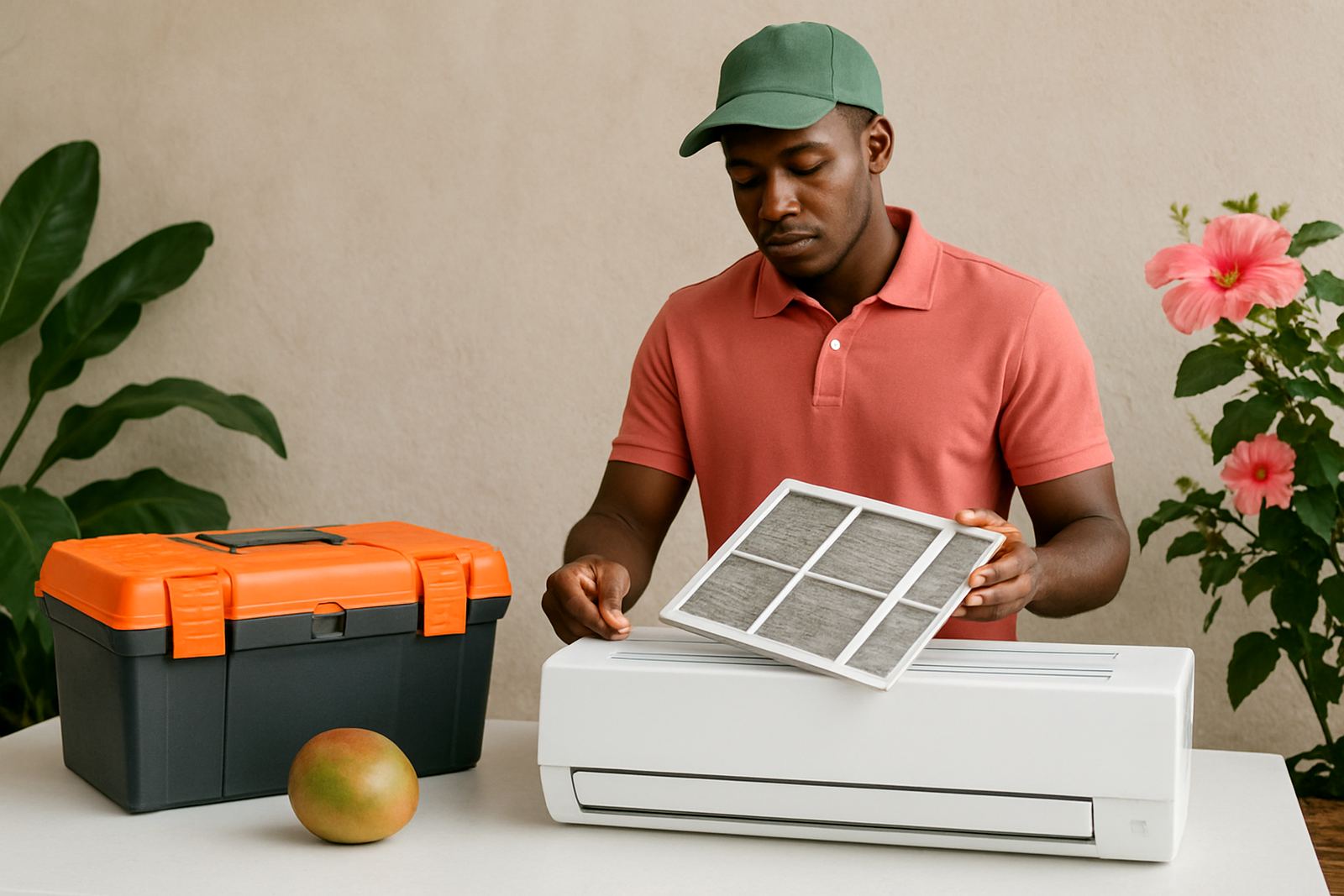
A lot of temperature trouble comes from poor maintenance, not bad luck. Filters clog, gas levels drop, drains block and electrical components wear out. Regular servicing helps the system cool properly and keeps temperatures steady through busy trading periods. It also reduces unexpected breakdowns during weekend trade, when replacement stock is harder to find.
For food businesses, a service should include checking the compressor, thermostat, fan operation, gas pressure, drainage and general airflow. If a cold room is used for meat, dairy or prepared meals, the equipment should be inspected before peak season, not after the first hot spell. That is especially important in coastal areas like the Peninsula, where salt air can affect metal parts over time.
Good maintenance also supports compliance records. If you are ever asked how temperatures were managed, a clear service history and daily log book shows that you took reasonable steps to protect the stock. That matters to inspectors, but it also matters when you are dealing with insurers or a supplier dispute.
A Cape Town example that shows the cost of small faults
A small takeaway in Claremont recently had repeated problems with a drinks fridge that seemed only slightly warm. Staff kept moving product around to make space, but they did not call for help straight away. The issue turned out to be a blocked condenser and a weak door seal. By the time it was fixed, several cartons of dairy and prepared fillings had to be discarded.
Nothing dramatic had failed. The unit was still running. But the internal temperature had been creeping up for days and nobody noticed because the stock still felt cold enough by hand. That is the danger with refrigeration, a small fault can turn into a stock loss before anyone sees a warning light or hears a strange noise.
In a busy shop, the best habit is simple: check temperatures, record them, and act quickly when readings move out of range. A five minute call is usually cheaper than replacing a full cabinet of stock.
When to call for help before the stock turns
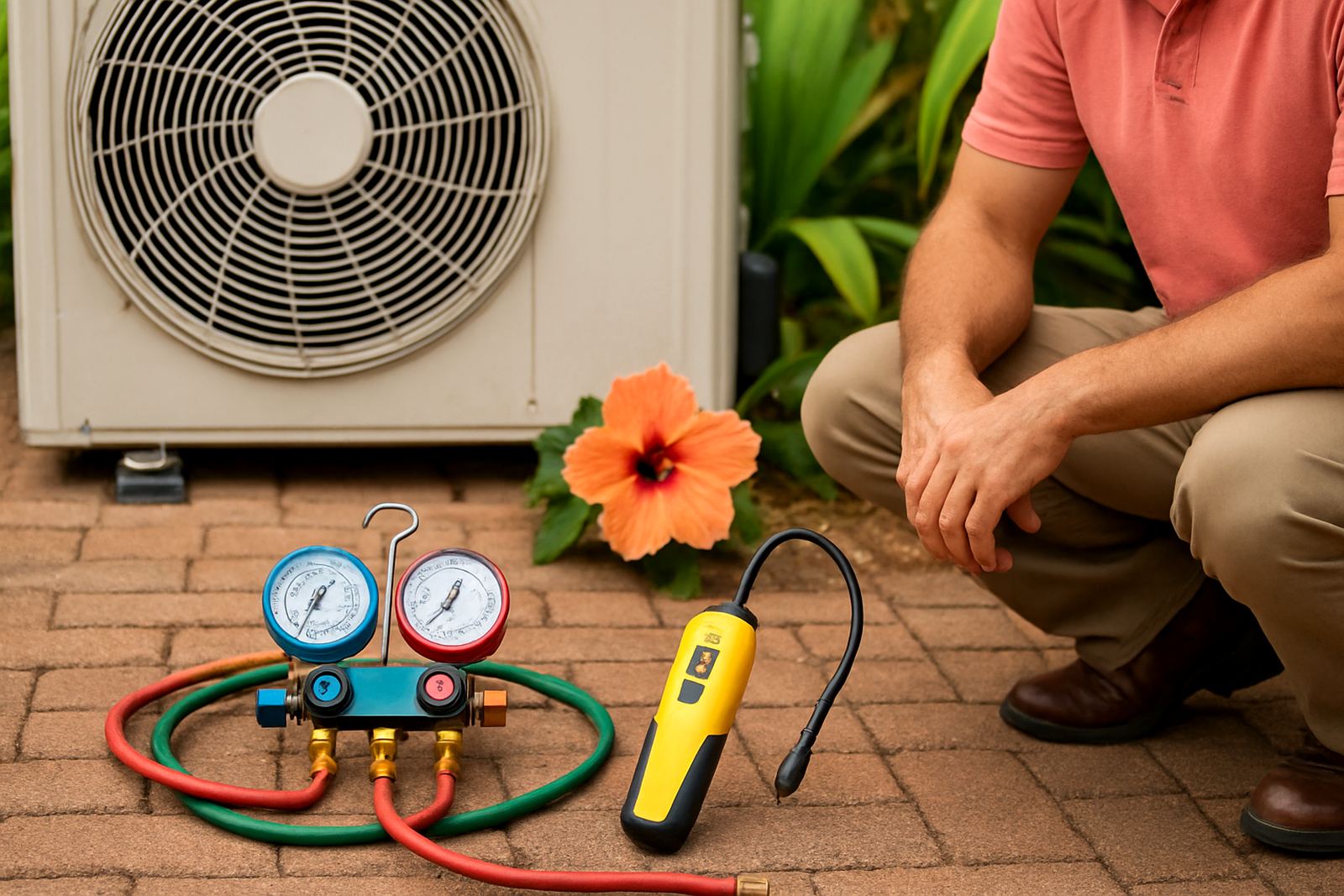
If your fridge, freezer or cold room cannot hold the right temperature, do not wait for the next breakdown. A technician can test for leaks, replace faulty parts, repair airflow issues and reset controls before the problem gets bigger. That includes compressor replacement, thermostat replacement, leak detection and gas refill work where required.
Businesses in Cape Town CBD, Milnerton, Bellville, Somerset West and Fish Hoek often need fast response because stock turns over daily. The aim is not only to get the unit running again, but to keep it holding steady through trading hours, deliveries and the next outage. A system that is repaired properly should cool evenly, cycle correctly and stay within range without constant manual fiddling.
If your temperature logs are drifting or you keep finding warm product in one section of a cabinet, it is time to have the equipment checked. For food safety, consistency matters more than luck.