Peak-hour heat was the main problem
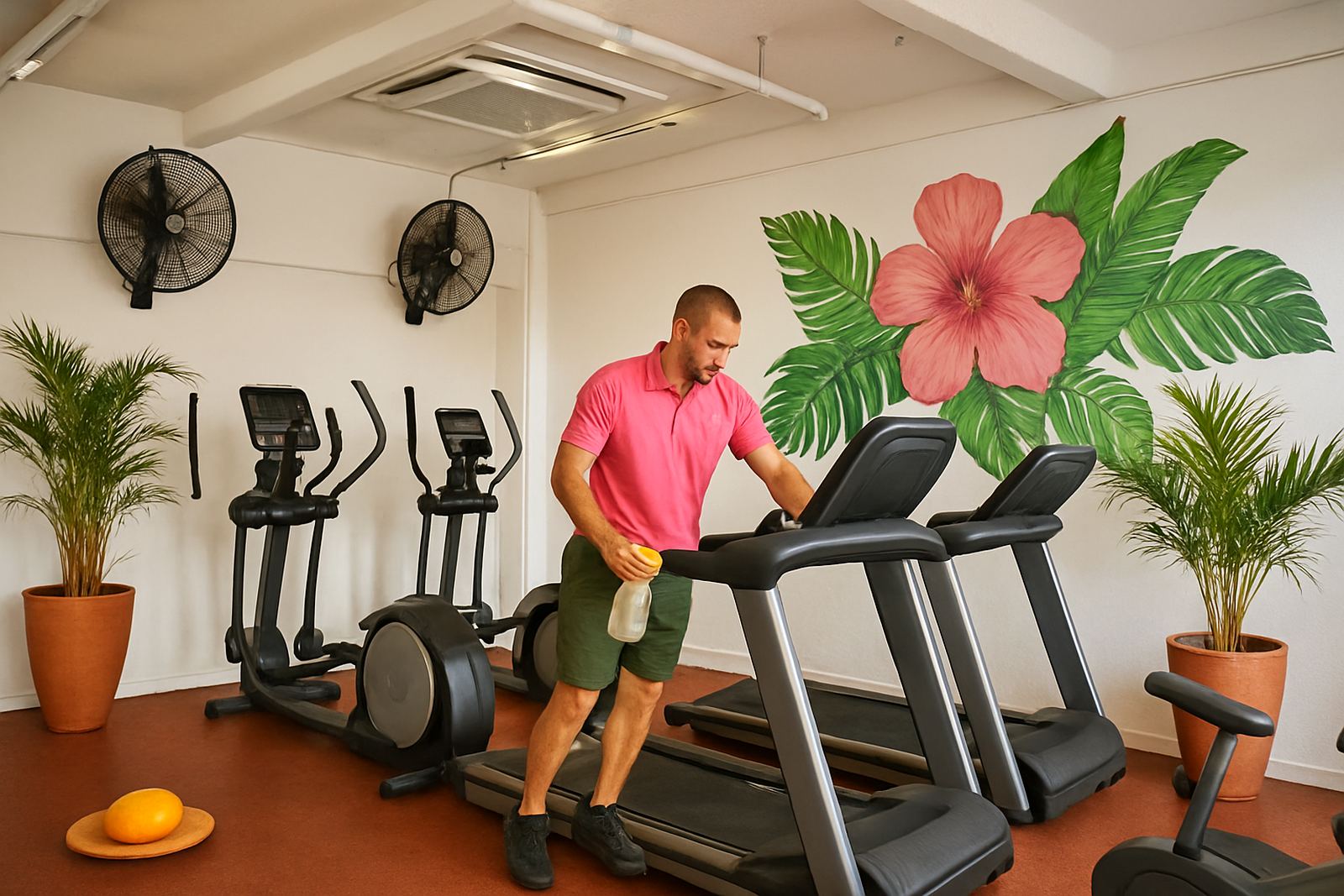
This project came from a gym in Table View that was struggling with heat build-up, stale air and uneven cooling on busy days. The space had a mix of free weights, cardio machines and a studio area, so the load changed through the day and jumped sharply at 5 am, lunch time and after work. During summer the room felt heavy, and when the doors were opening and closing all day the existing equipment could not keep up.
The brief was simple enough on paper: improve comfort without getting in the way of training classes, keep noise low, and make sure the cooling could handle a full house. The client also wanted better control of humidity because sweaty floors and condensation near entry points were becoming a slip risk. This is common in Table View, especially where sea air, wind and high visitor turnover all meet in one room.
We started by checking the layout, ceiling height, glass exposure and the return air path. The gym had a practical floor plan but there were dead spots where air simply was not moving. We also noted that load-shedding had caused a few rough starts on the system, so the new setup had to recover quickly after power interruptions.
What we measured before touching the system
Before any installation work, our team carried out a site assessment and mapped the main heat sources. In a gym, the number of people in the room matters, but so do treadmills, spinning bikes, warm ceiling pockets and outside air leaking through the entrance. We checked existing refrigerant line sets, electrical isolation points, drainage routes and unit positions, then matched that against the daily class schedule.
- Floor area and ceiling zones were reviewed for air throw and return points.
- Existing cooling units were tested for output, drainage and thermostat response.
- Peak occupancy was estimated for classes, open floor training and cardio use.
- Humidity risk was checked near doors, mirrors and tiled walkways.
- Noise limits were considered for the studio section and reception area.
The key issue was not just temperature, it was air movement. Even where the room was technically cold enough, members still complained that the air felt still. That usually means poor distribution and short cycling, not simply undersized cooling. So we planned for better airflow patterns, not just more cold air.
The cooling and airflow upgrade we supplied
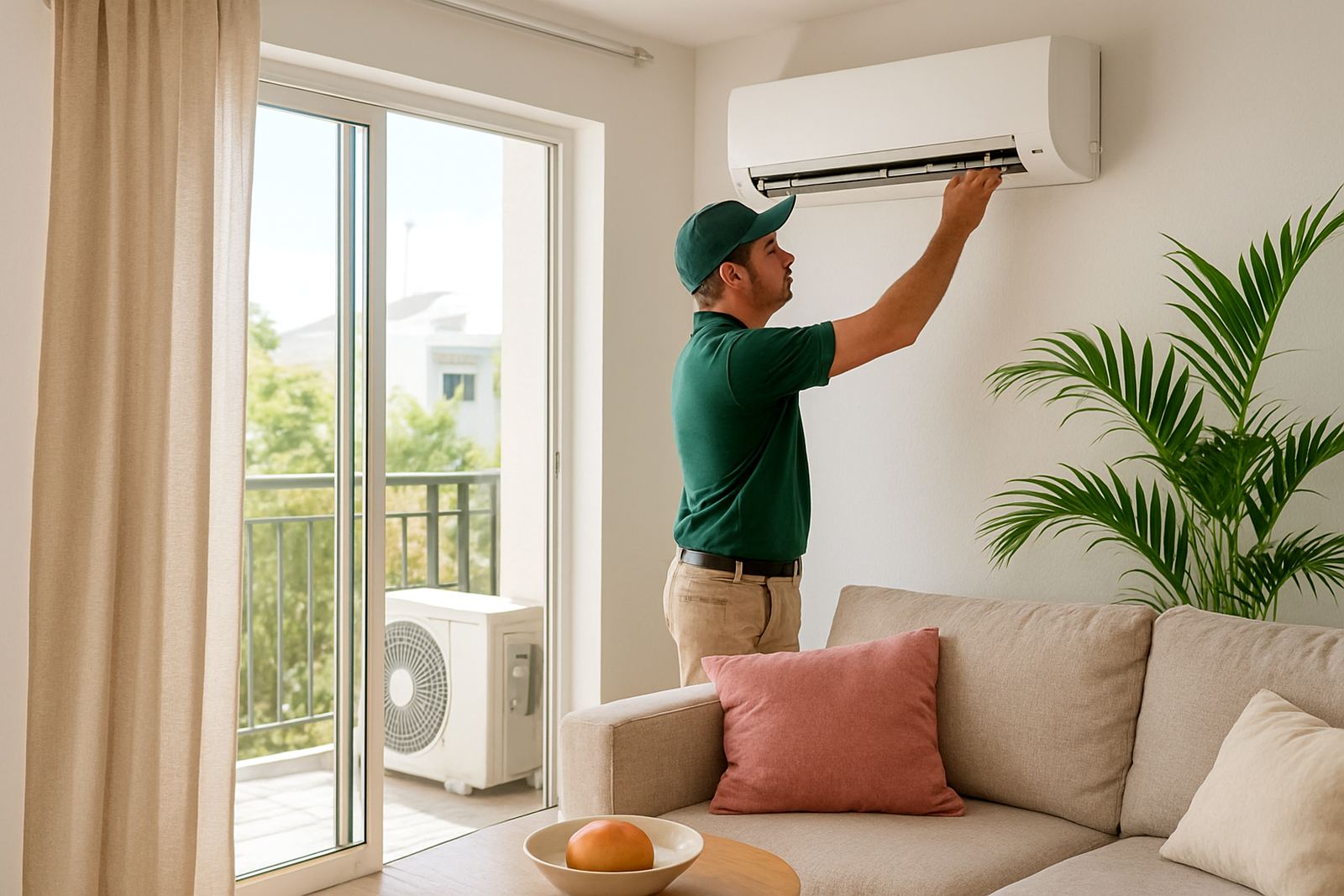
We supplied and installed a mixed cooling solution suited to the building layout and the gym's operating hours. This included inverter-type split units for the main training zones, adjusted air delivery for better spread, and ventilation servicing to clear dust from fans, filters and grilles. Where the original installation points were useful, we reused them. Where they were not, we shifted the throw direction and corrected the return path so the system could circulate properly.
The gym also needed a maintenance-friendly setup. Fitness spaces collect dust quickly from rubber flooring, chalk and general foot traffic, so the filters and accessible parts had to be easy to service. We set the units up for straightforward access and made sure the condensate drainage ran cleanly away from public areas.
- Installed cooling capacity matched to peak occupancy and floor zones.
- Adjusted fan speeds and air direction for more even coverage.
- Serviced filters, coils and drainage points for cleaner operation.
- Checked pipe runs, insulation and electrical connections for stable running.
- Balanced comfort for the main gym, reception and training areas.
Because this was a coastal part of Cape Town, we paid extra attention to corrosion points and airflow around the outdoor equipment. Salt in the air can shorten the life of poorly maintained units, so the pipework, brackets and exposed fittings had to be installed with that in mind.
How we worked around trading hours
The job ran over two weeks, with the first week focused on assessment, supply and preparation, and the second week on installation, testing and final adjustments. We worked around off-peak hours so classes could continue, and we planned the noisier steps for quieter windows. That mattered because the client did not want downtime in the middle of a busy fitness schedule.
Our crew coordinated closely on site so there was no confusion about drilling times, shutdown periods or access to the plant area. The building management also wanted the work to stay within site rules, including safe waste removal and neat routing around walkways. By keeping the sequence tight, we avoided having open ceiling sections or unfinished pipe runs hanging around for longer than necessary.
During commissioning, we tested the system under load while members were training in the space. That let us fine-tune the set temperatures and air direction based on real use, not just an empty room. One of the practical changes was a slight adjustment to the airflow in the studio corner, which had been getting too warm during group sessions.
The results during training sessions
Once the upgrade was complete, the difference was noticeable. The room cooled down faster after busy periods, the air felt less flat, and the temperature held more steadily through class changes. Members no longer had to wait for the space to recover after a full session, and staff reported fewer complaints about hot corners near the cardio machines.
Humidity control improved too. That made the floors feel drier, reduced that sticky feel in the air, and helped the mirrors stay clearer. It may sound like a small thing, but in a gym those details change how the room feels for both trainers and members. The client also appreciated that the units were quieter than the older setup, so music and instruction could carry without the cooling getting in the way.
From our side, the main result was a system that now suits how the gym actually operates. It is not just about cooling one room to a number on a controller. It is about keeping people comfortable when there are 30 or 40 bodies moving at once, doors opening constantly, and the Cape summer pushing heat into the building. That part now works much better, and the owner told us the peak-hour pressure has eased a lot.
What we would repeat on another gym project
If we were doing the same job again, we would still begin with a proper site check before recommending any equipment. Gyms are tricky because the load changes so much through the day, and one-size-fits-all sizing usually misses the mark. We would also keep the same approach to staged work, since it lets the client keep trading while the upgrade happens.
For a project like this, the most useful lessons are practical ones: keep the air moving, make maintenance easy, and allow for coastal wear and power interruptions. In Table View, those are not extras, they are part of the job. A good cooling system should recover quickly, stay clean enough to run efficiently, and not create more work for staff.
- Always measure the room at peak occupancy, not only when it is empty.
- Check return air paths before increasing cooling capacity.
- Plan for dust, humidity and salt exposure in coastal suburbs.
- Keep drainage and service access simple from day one.
That practical approach is what we bring to gym projects across Cape Town and the Peninsula. It keeps the air cooler, the space more usable and the maintenance simpler over time.
Key facts
| Project location | Table View, Cape Town |
|---|---|
| Client type | Private gym |
| Scope | Airflow and cooling upgrade for peak training periods |
| Timeline | 2 weeks |
| Equipment type | Inverter split cooling units and ventilation servicing |
| Focus areas | Comfort, humidity control, low noise and recovery after load-shedding |