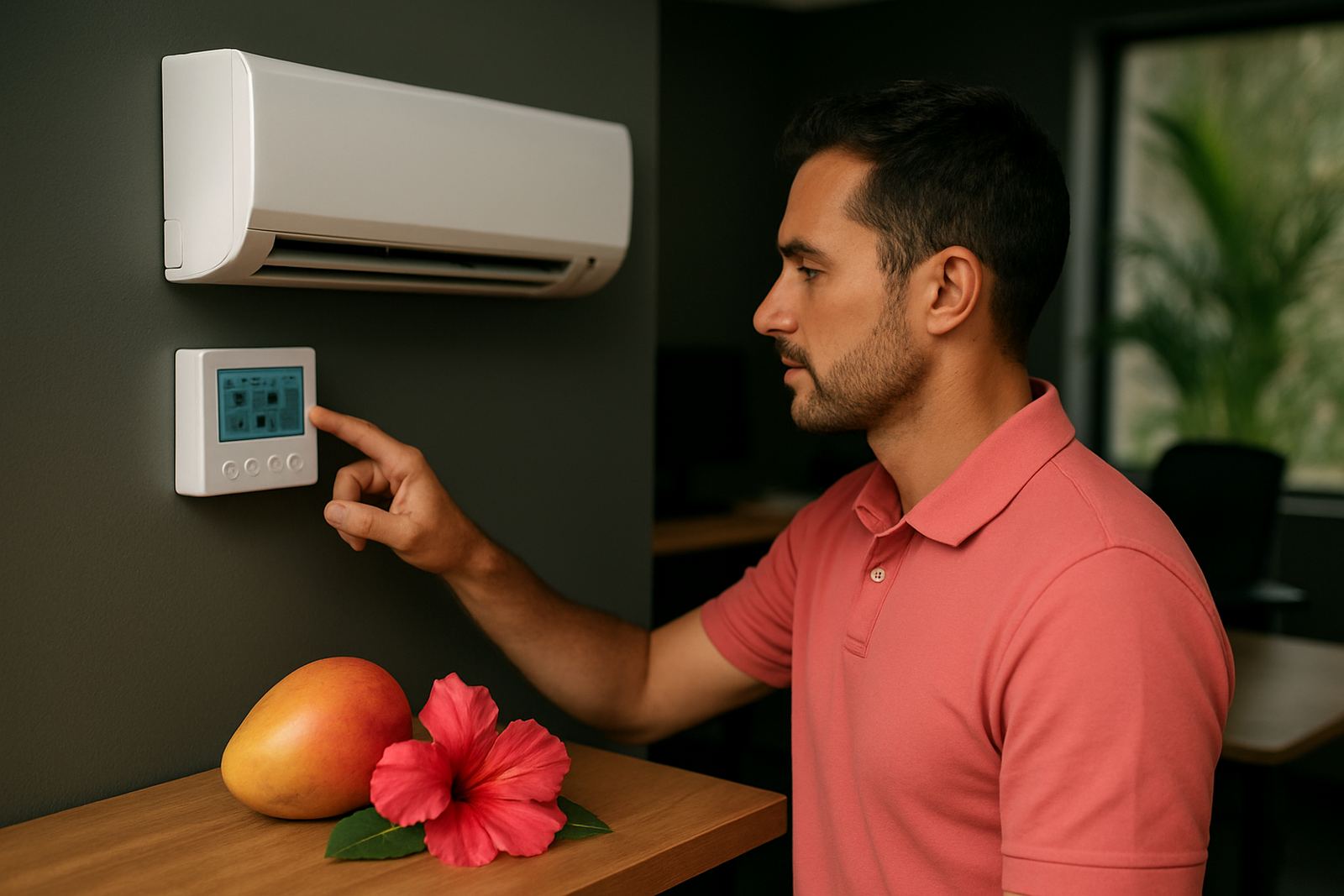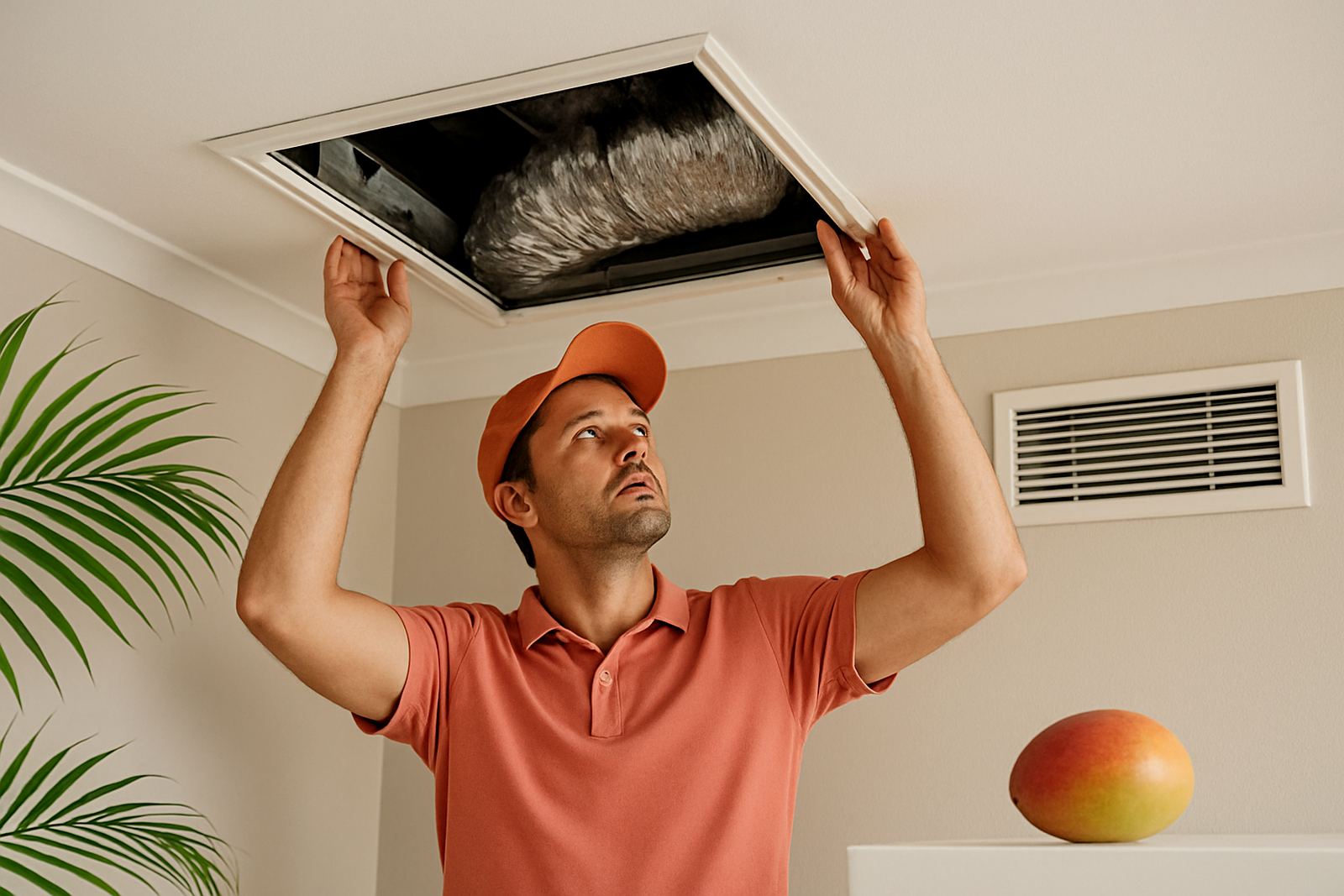
When the repair bill starts chasing the unit
A single repair does not mean a unit is finished. But when call-outs start becoming regular, the numbers tell a different story. If the system needs gas every few months, trips the breaker, or cannot hold temperature after a service, you are spending money on symptoms instead of the cause.
For many Cape Town homes and offices, the first warning sign is repeat work on the same fault. A fan motor gets changed, then a contactor, then a leak shows up, then the compressor starts drawing too much power. At that point the repair history matters more than the age on paper. Older units often use more electricity too, which shows up fast on a winter office bill or during summer when the aircon runs hard in Bellville or Claremont.
- More than two major repairs in a year
- Gas loss that keeps returning after topping up
- Parts that are obsolete or hard to source
- Noise, vibration, or water dripping into the room
Age is only part of the decision
Age matters, but not on its own. A well maintained unit can run for years, while a neglected one can fail early. As a rough guide, many residential aircons start becoming poor value once they are well past the middle of their working life and need regular attention. Commercial refrigeration can be even more sensitive because one bad day can spoil stock.
If your system is older and cooling unevenly, look at the whole picture: running costs, downtime, spare parts and how often your staff have to work around it. In a Cape Town CBD office, a unit that can not keep a boardroom cool before a meeting is already costing more than the technician invoice. Same goes for a milk fridge in Milnerton or a freezer in Somerset West that keeps drifting off temperature.
- Rooms taking too long to cool
- Hot spots near windows or on upper floors
- Compressor starting and stopping too often
- Visible rust, cracked insulation or damaged wiring
Efficiency problems show up on the power bill
If a unit still works but uses far more power than it should, replacement can make sense. A dirty or failing system may run longer to do the same job and that puts strain on the whole installation. In coastal areas like Fish Hoek and parts of the peninsula, salty air can also speed up corrosion on outdoor components, which shortens the useful life of the equipment.
Load-shedding adds another angle. When power comes back on, older units can struggle to restart or come back in a poor state if the installation was already under pressure. If your switch-on routine involves a loud hum, a trip at the board, or waiting to see whether the compressor will pick up, that is a sign the unit is no longer paying its way.
- Electricity use climbing without any change in usage
- Outdoor unit corroded or heavily rusted
- Unit struggling after power interruptions
- Rooms or cabinets only cooling when nobody opens the doors
When a replacement protects stock, staff and customers
For homes, replacement is usually about comfort and running cost. For shops, restaurants and small warehouses, it can be about avoiding loss. A failing cold room or freezer can spoil meat, dairy, frozen goods or prepared food in a few hours. That risk often outweighs the cost of putting in new equipment.
We see this a lot in the Cape Peninsula where a business keeps patching an old freezer because it still runs most days. Then one hot weekend, or a power cut followed by a delayed restart, and the stock loss is bigger than the price of a new unit. If the same applies to an office aircon, staff productivity drops and equipment like servers or printers can overheat too.
- Stock spoilage risk is higher than repair cost
- Staff complain the space is too warm or humid
- Temperature swings affect product quality
- The unit cannot meet demand during peak hours
A practical Cape Town example
A small office in Montague Gardens may call out for a gas refill in summer, then ask for a second visit a few months later when cooling drops again. After leak checks, thermostat replacement and another service, the unit still may not hold up under midday heat. At that stage replacing the unit can save the business from repeated call-out charges and surprise downtime.
The same applies to a shop fridge in Bellville or a guesthouse aircon in Somerset West. If the system is older, noisy and the parts list keeps growing, a new install is often easier to plan than another round of patch repairs. It also gives you a clean service record going forward, which helps when budgeting for maintenance.
There is no single age that fits every unit, but the pattern is usually clear: once repair frequency rises and cooling performance falls, replacement starts making financial sense.
How to decide without guessing
The simplest test is to compare three things: the repair cost, the expected life left in the unit, and the cost of wasted power. If the next repair only buys a few months and the machine still runs inefficiently, replacement is usually the better option. If the unit is newer and the fault is isolated, repair may still be worth it.
A proper site assessment should look at the compressor, refrigerant pressure, wiring, drainage, insulation and airflow. For refrigeration systems, the technician should also check door seals, thermostat control and whether the cabinet is cycling correctly. In some cases a thermostat replacement or leak repair is enough. In others the better answer is to stop spending on a unit that has reached the end of its useful life.
- Ask for the repair history before approving another visit
- Compare the last 12 months of call-outs against replacement cost
- Check whether the unit still meets the room or stock load
- Factor in power use not just the invoice today
What happens after you make the call
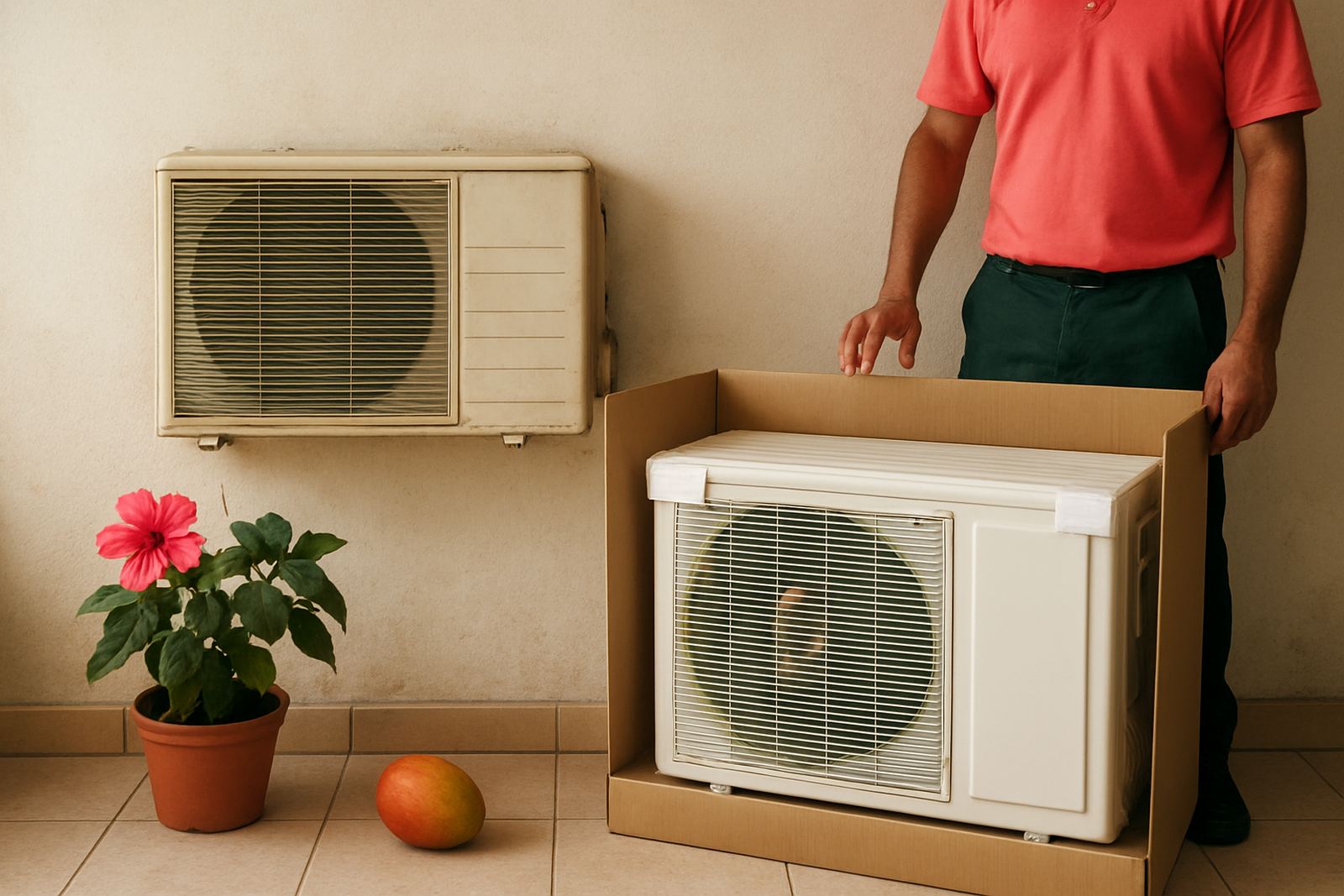
Once replacement is the right choice, the next step is a clean handover. That means removing the old unit safely, checking the pipework or cabinet position, and making sure the new system is sized for the room or storage load. A neat install matters because poor placement can undo the benefit of new equipment.
For Cape Town properties, that also includes practical details like drainage, outdoor unit position, access for service and protection from wind, salt air and direct sun. If you are replacing a commercial unit, it is worth planning the changeover outside trading hours where possible. That keeps disruption low and helps the new system start with less strain.
Replacement is not about buying the biggest unit. It is about putting in the right one, at the right time, before repeated repairs eat into your budget any further.