Why restaurant kitchens overheat so quickly
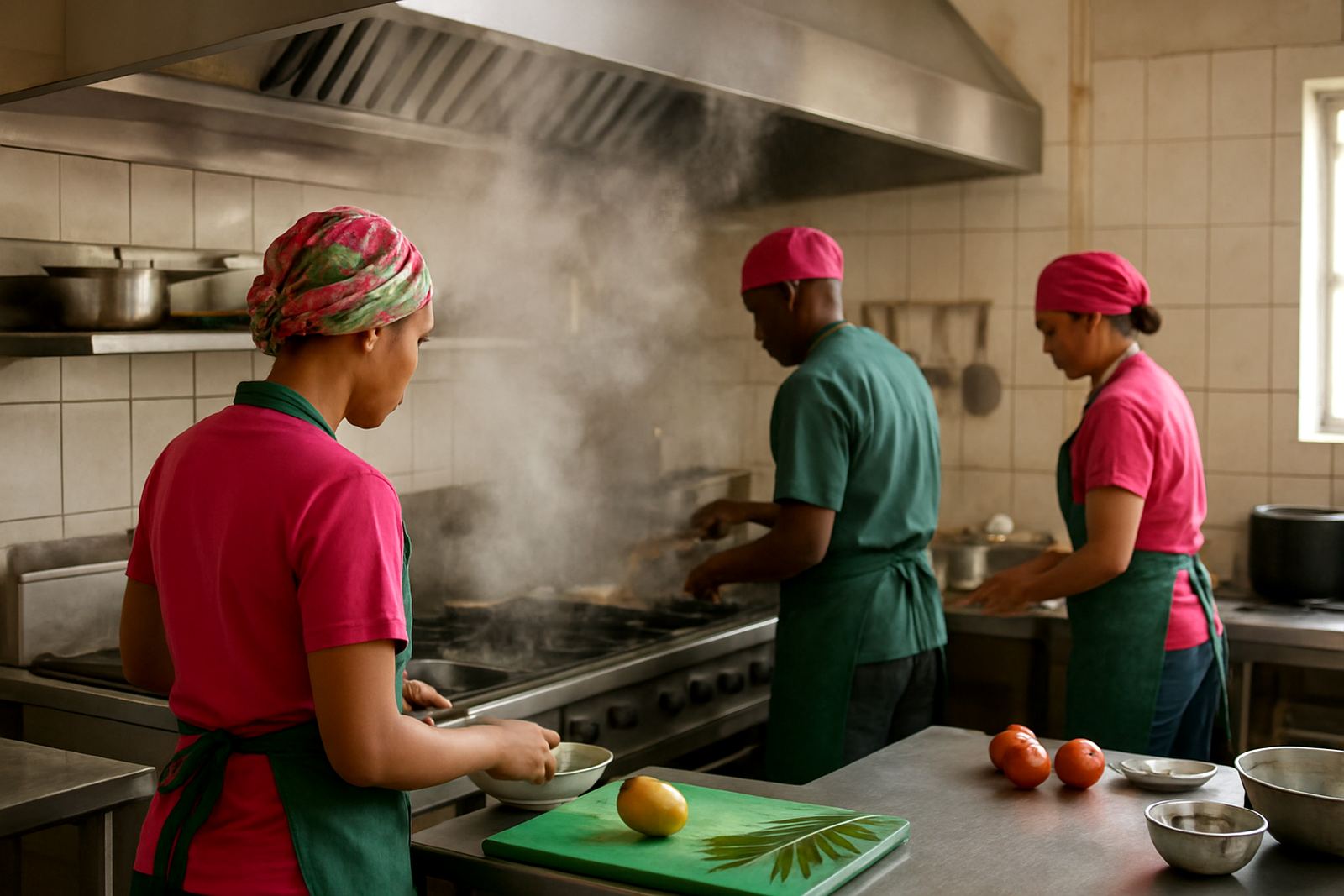
In a busy kitchen, heat does not come from one source. Ovens, fryers, grills, dishwashing, hot pans and the people working around them all add up. If the air has nowhere to go, it collects under the ceiling and spreads through the room, making the whole shift harder than it should be. That is when chefs start opening back doors, cold rooms work harder and aircons in front-of-house struggle to cope.
In Cape Town, the problem is often worse in enclosed sites around the CBD, Claremont and Bellville where kitchens are built into tight spaces with limited fresh air flow. Coastal humidity can also make a kitchen feel heavier, especially in Milnerton and Somerset West. The result is a room that feels sticky, hotter than it should and slower to recover after lunch or dinner rushes.
- Heat builds faster when cooking lines sit too close together
- Blocked filters and dirty canopies reduce airflow
- Poorly planned make-up air can pull odours into dining areas
- Excess humidity makes staff feel hotter even at the same temperature
Extraction is only half the job
Many kitchens have an extractor hood, but that alone is not enough. When air is pulled out of a room, replacement air has to come in from somewhere. If it does not, the kitchen goes negative and starts sucking air through door gaps, serving hatches and any opening available. That can pull in dust, cooking smells and warm air from the wrong parts of the building.
A proper extraction system removes heat, steam and grease-laden air at the source. A matching make-up air plan brings in cooler replacement air in a controlled way so the room does not collapse into a vacuum. This balance matters in restaurants because it protects the kitchen, keeps front-of-house comfortable and reduces strain on refrigeration equipment. If a cold room is sitting next to a hot line, the difference between a good plan and a poor one shows up on the electricity bill very quickly.
- Extraction removes hot, dirty air from cooking zones
- Make-up air replaces what was removed in a controlled manner
- Balanced airflow helps doors close properly and limits smell migration
- Less heat around fridges and freezers helps equipment run steadier
What to check before service gets busy
Before any upgrade or repair, a site inspection should look at how the kitchen actually works during service. A plan that looks fine on paper can fail if the fryer is moved, the grill runs all day or the kitchen has no clear route for fresh air. In a restaurant, the layout matters as much as the equipment.
At Tropical Refrigeration, we often find that the real issue is not the fan itself but a mix of poor duct routing, undersized supply air and neglected maintenance. Grease build-up, loose belts, worn motors and tired thermostats all reduce performance. In some cases, a kitchen has been altered over time and nobody has checked whether the original airflow still suits the current layout.
- Check canopy size against the actual cooking line
- Inspect ducting for grease build-up and restrictions
- Confirm supply air reaches the kitchen, not only the passageway
- Look at how heat affects nearby cold rooms, prep areas and gas lines
Cape Town conditions need practical planning
Cape Town kitchens deal with a few local challenges that are easy to miss. On warmer days in the Cape Peninsula, ambient heat can rise fast in glass-heavy sites. In winter, strong wind can affect external louvres and create drafts that disturb airflow if the system is not balanced properly. In some municipal and building-managed sites, duct routes and external openings must also fit fire and safety rules, so a quick add-on is rarely the right answer.
Load-shedding brings another layer. When power drops, extraction stops and heat builds almost immediately. If a kitchen depends on electric cooking and refrigeration, the restart after an outage can be rough on compressors and thermostats too. That is why restaurants in places like the CBD, Fish Hoek and Somerset West need systems that are simple to service and sensible to operate. You want equipment that works on a busy Friday night, not just during a quiet inspection.
Signs your kitchen heat plan is not working
Most owners notice the problem before they can name it. Staff complain about the temperature, the dining room smells like the kitchen, and fridges seem to run longer than usual. In some sites the aircon is blamed first, but the real issue is often excess heat entering the room from cooking equipment and not being removed quickly enough.
Watch for these signs:
- Steam hangs in the air long after pans are lifted
- Grease builds up quickly on nearby surfaces
- Staff keep opening doors for relief, which invites dust and warm air
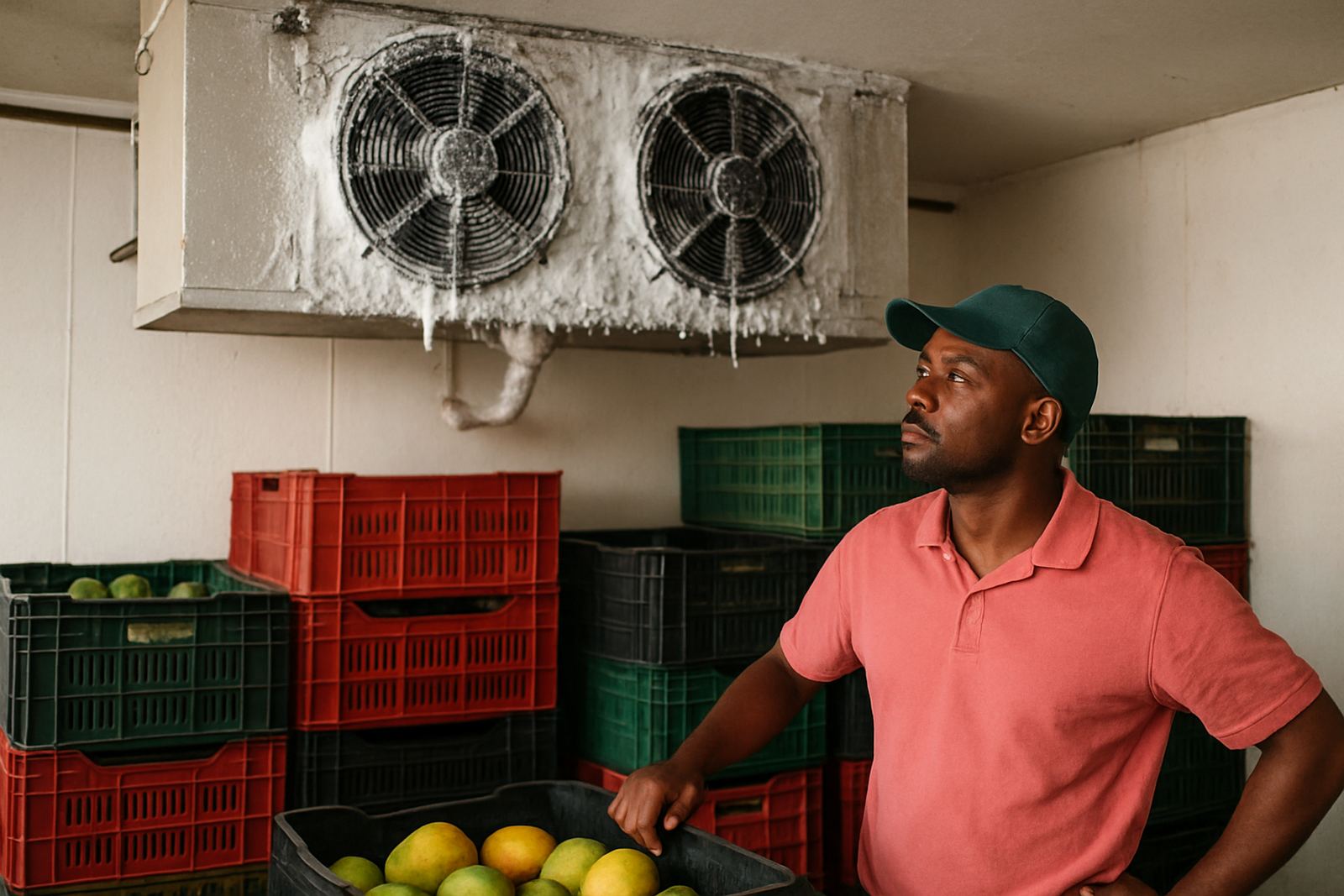
- Cold rooms or upright freezers struggle to hold temperature near the kitchen
- Aircons short-cycle because the heat load is uneven
If those signs are showing, a service call should include both the air movement system and nearby refrigeration. One issue often masks another, and treating only the symptom wastes time and Rand.
How a better airflow setup helps the whole business
A kitchen that breathes properly is easier to run. Staff can work longer with less fatigue, food prep stays more consistent and refrigeration equipment is under less stress. That matters for restaurants because a small gain in comfort can improve service speed and reduce breakdowns over time. Even front-of-house benefits when smells and heat stay where they belong.
For Cape Town operators, the best approach is usually a practical one: inspect the canopy, confirm air movement, check the condition of fans and filters, then match extraction with make-up air that suits the room size and cooking load. For some sites the fix is a repair and clean. For others it means a reworked plan, new duct sections or a better position for supply air. The goal is simple, reduce heat build-up without creating new problems elsewhere in the building.
If your restaurant kitchen in Montague Gardens, the CBD or along the Peninsula is running too hot, Tropical Refrigeration can help assess the airflow, repair equipment and plan the cooling around the kitchen, not against it. We handle installations, repairs and gas refills for air-conditioning and refrigeration, so the kitchen and the cold side of the business get attention together.